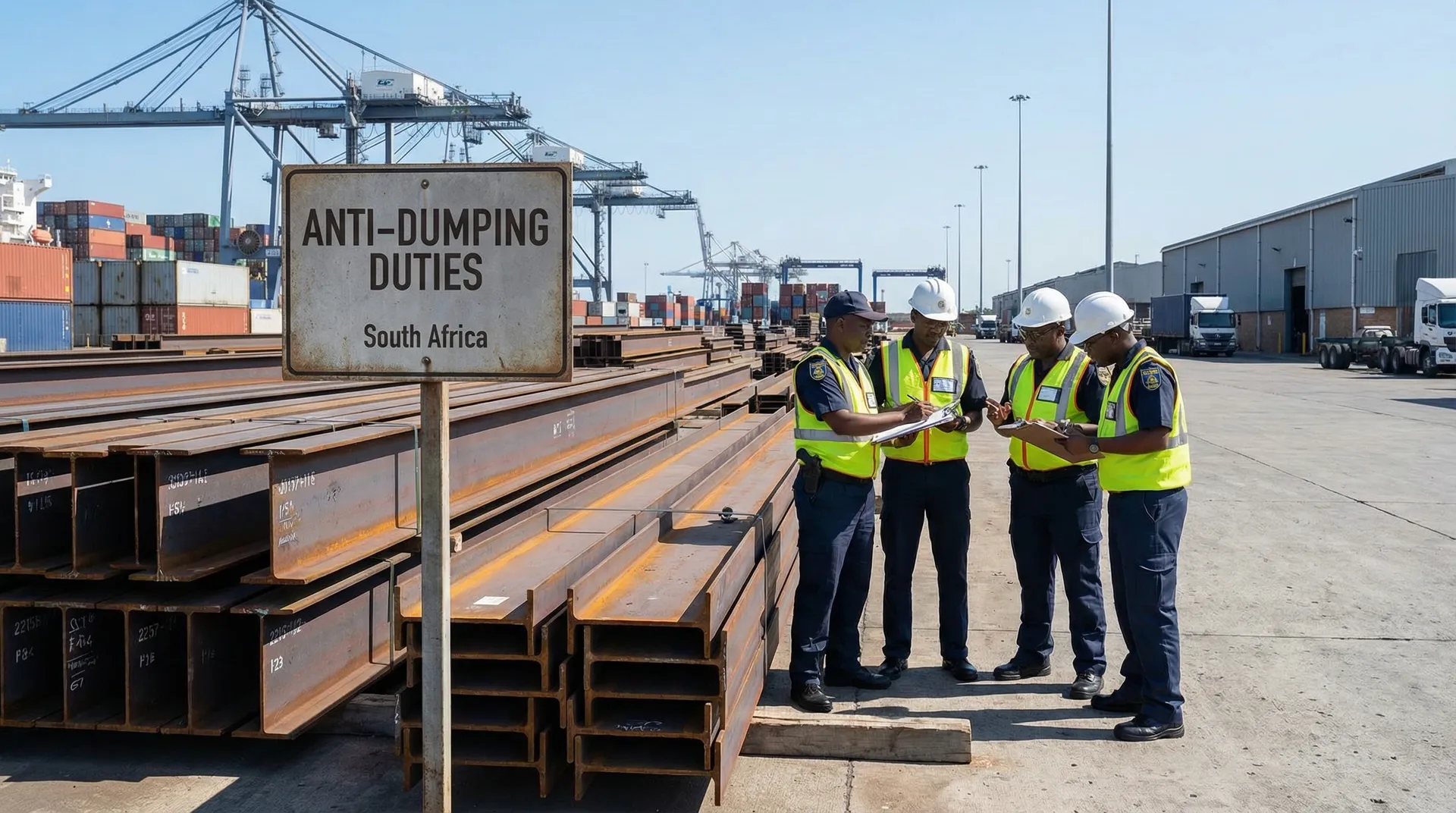
New anti-dumping duties on structural steel from China and Thailand have entered into force in South Africa. Reuters reports that the duty for imports from China was 74.98%, for Thailand — 20.32%. The decision followed an investigation that revealed signs of dumping, and was a continuation of the interim measures in force earlier.
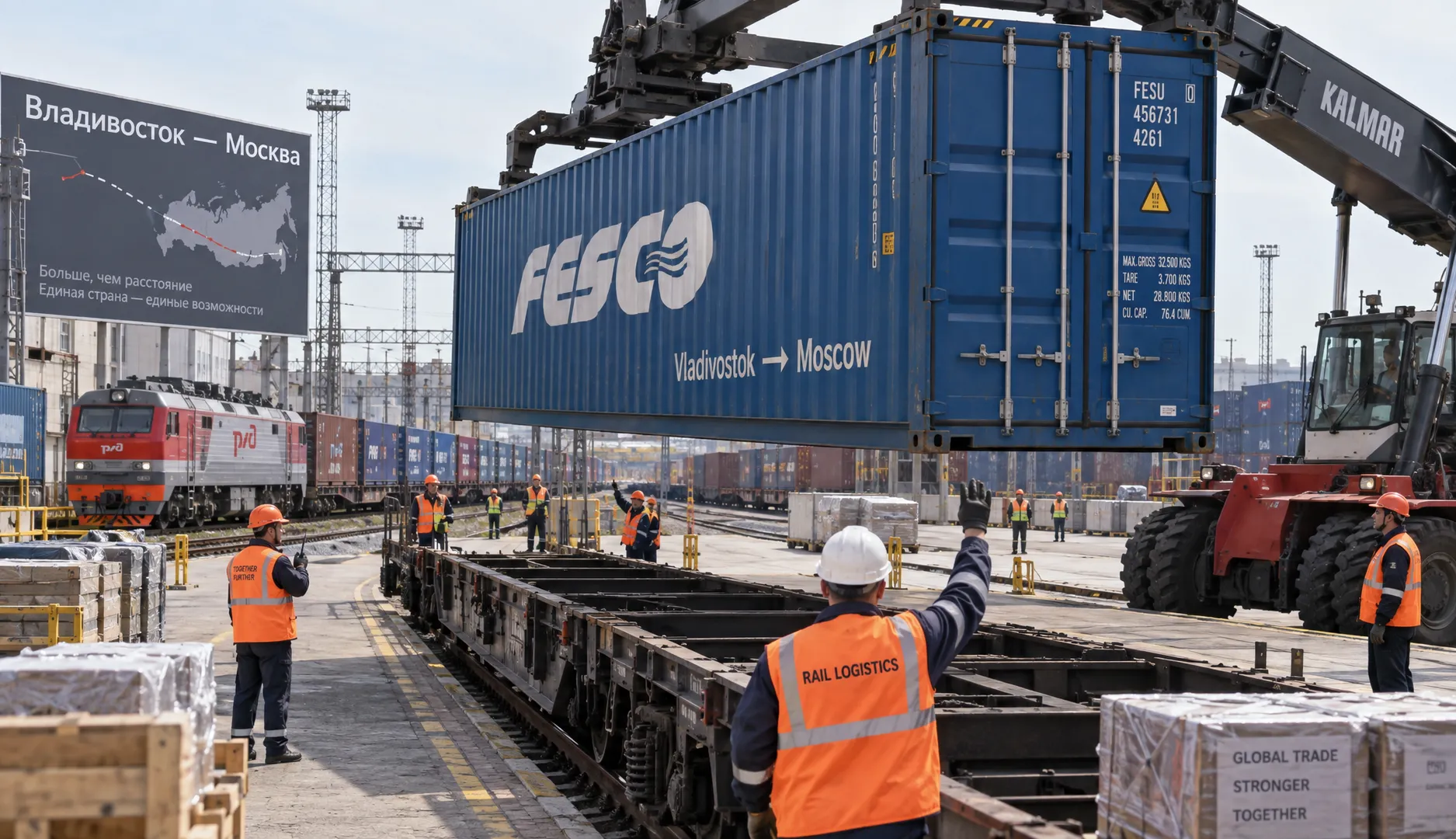
For foreign economic activity, this is a classic case where a single digit changes the entire chain. Importers are reorganizing their purchasing mathematics and source selection, and the role of alternative suppliers and local production is growing. Logistics operators are facing new challenges in predicting flows: those shipments that used to come in regular batches may be reduced, and routes will be redirected to other countries and other ports.
Reuters notes that imports account for a significant share of domestic steel consumption, with China accounting for the bulk of shipments. This means that the effect of the duties will be noticeable across the market, especially in the construction segment, where structural steel is used as a base material.
The practical conclusion for businesses in South Africa and for external suppliers is as follows: metal contracts need to be reassembled in terms of price and timing, and supply chains need to be reassessed in terms of port destinations and inventory structure. With a sharp increase in duties, the demand for prepayment often increases, which means that the requirements for financial planning and risk insurance are increasing.