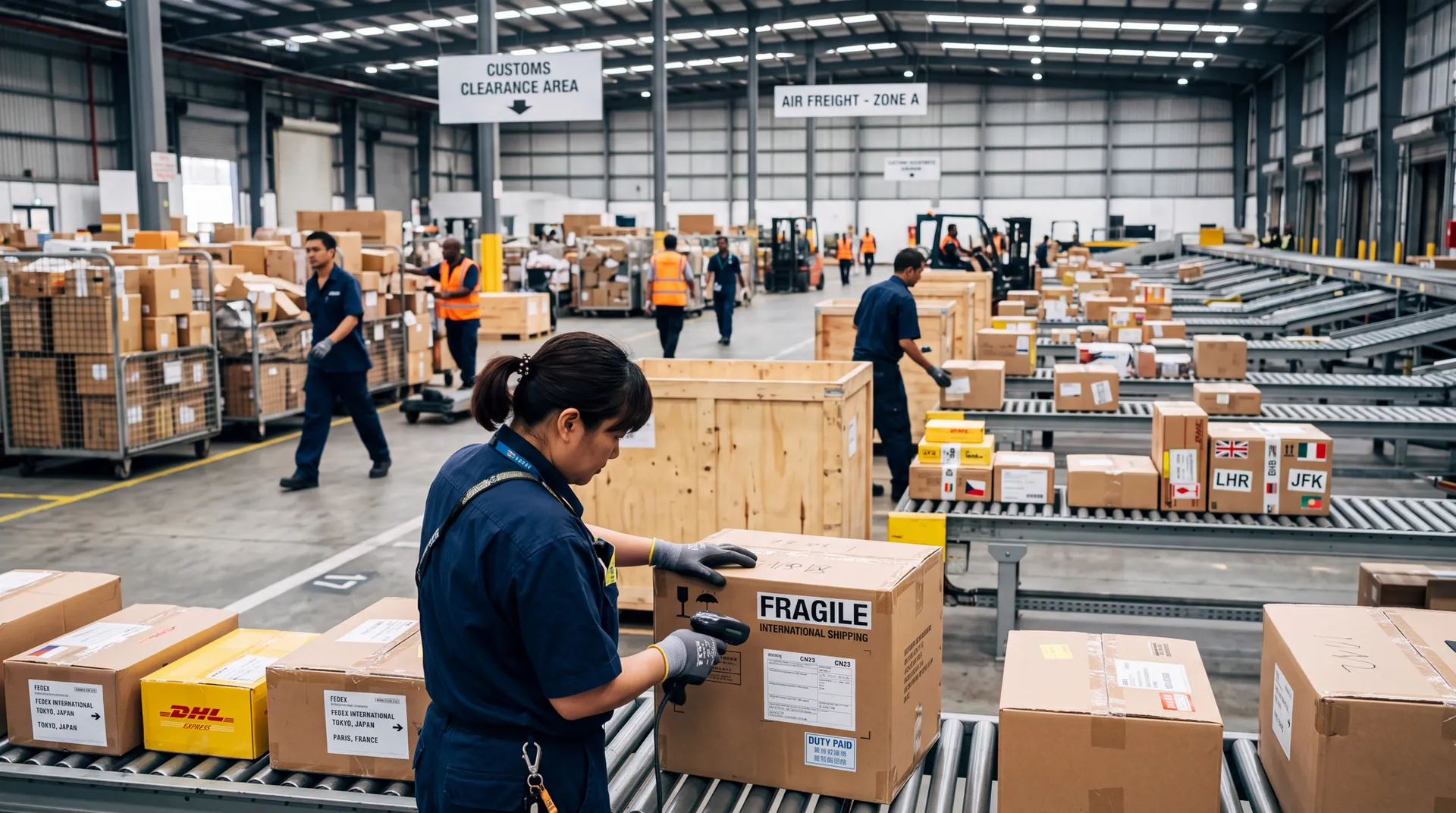
The order of the Ministry of Transport comes into force on October 11, 2026. The reason for the expansion of the list was the need to protect information about foreign counterparties: making documents in paper form eliminates information leakage in case of possible cyber attacks and thereby reduces the risk of foreign partners falling under sanctions restrictions.
The mandatory electronic translation of forwarding documents came into force on September 1, 2026. All three types fall under the requirement: assignment to the forwarder, forwarding receipt and warehouse receipt.
Before the new order was issued, the list of permissible exceptions included five items: transportation of special and military goods; provision of services in territories with high alert and similar restrictions; lack of technical Internet access for the forwarder or his client; delivery of goods to an individual outside of business; provision of services to a foreign legal entity or individual.
Now a sixth position has been added to this list — the organization of the delivery of military and dual-use goods imported into the country under military-technical cooperation agreements.
For freight forwarders working with such cargoes, this means maintaining the usual workflow without switching to electronic platforms. Foreign suppliers and buyers participating in military-technical cooperation schemes receive an additional protection tool from sanctions pressure: information about the transaction does not pass through digital channels vulnerable to interception.
Forwarders serving this segment should specify the basis for the use of paper format in the contract or accompanying documents — a reference to a specific item on the list of exceptions will reduce the risk of claims during inspections.