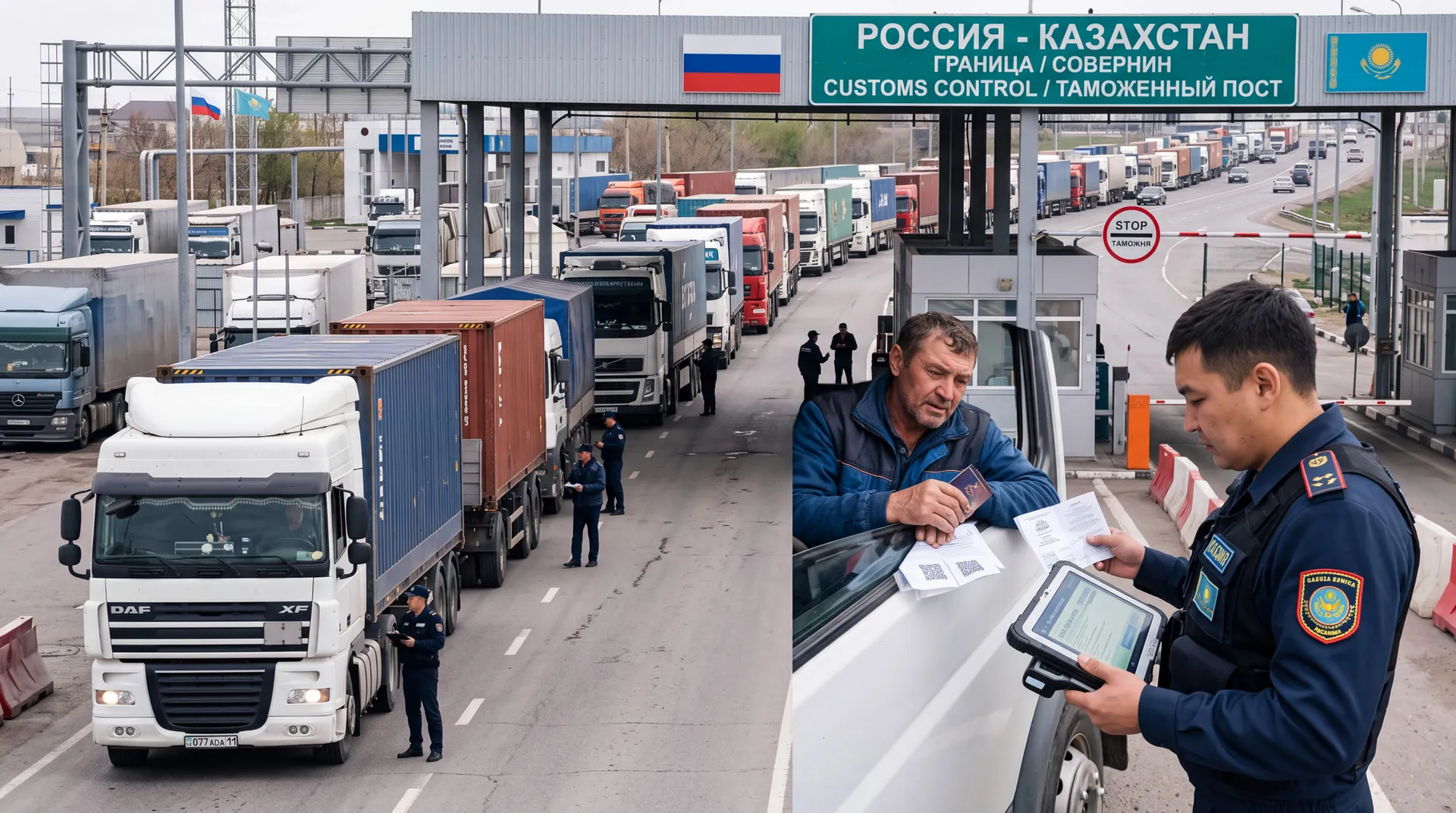







The legislation recognizes the addresses of the places of loading and unloading as critically important details of the ETRN. There is only one requirement: full compliance with the actual circumstances of transportation — down to the number of the building, building, entrance gate or a specific warehouse on the territory of the logistics complex.
The check is performed automatically. Inspectors from the Federal Tax Service and Rostransnadzor compare the data from the ETRN with information from the GIS EPD, which records the actual route of the vehicle. The discrepancy between the digital document and the real track of the car is interpreted as the compilation of unreliable primary documentation.
Lawyers identify three typical mistakes that are guaranteed to attract the attention of inspectors. The first is the indication of the address from the company's constituent documents, when the shipment actually takes place from the leased site in the industrial zone. The second is the lack of detail: without a building, building, or gate number, the address of a large logistics complex does not allow for unambiguous identification of the point of operation. The third is the approximate coordinates or only the locality when delivered to the objects under construction.
The tax consequences for businesses are direct. If the actual point of unloading does not coincide with the one indicated in the ETRN, the Federal Tax Service receives grounds to recognize the transaction as fictitious, deduct expenses when calculating income tax and refuse to deduct VAT. For importers working with foreign counterparties, this means the risk of additional charges along the entire supply chain — from customs clearance to the final recipient of the cargo.
The common practice of entering the legal address of the head office in transport documents has ceased to be a safe simplification. Companies using leased warehouses, third—party terminals, or temporary acceptance sites need to switch to addressing the actual place of operation with maximum detail, down to the gate number or section of the warehouse. It is these data that will be checked against the track of the car at each tax audit.
Related news:
- Court: The Federal Tax Service has the right to demand documents from any link in the chain
- Digital currency recognized as property: what is changing for accounting
- A machine-readable power of attorney will be simplified: one form instead of a set
- Electronic invoices in logistics: fines will start only from March 2027