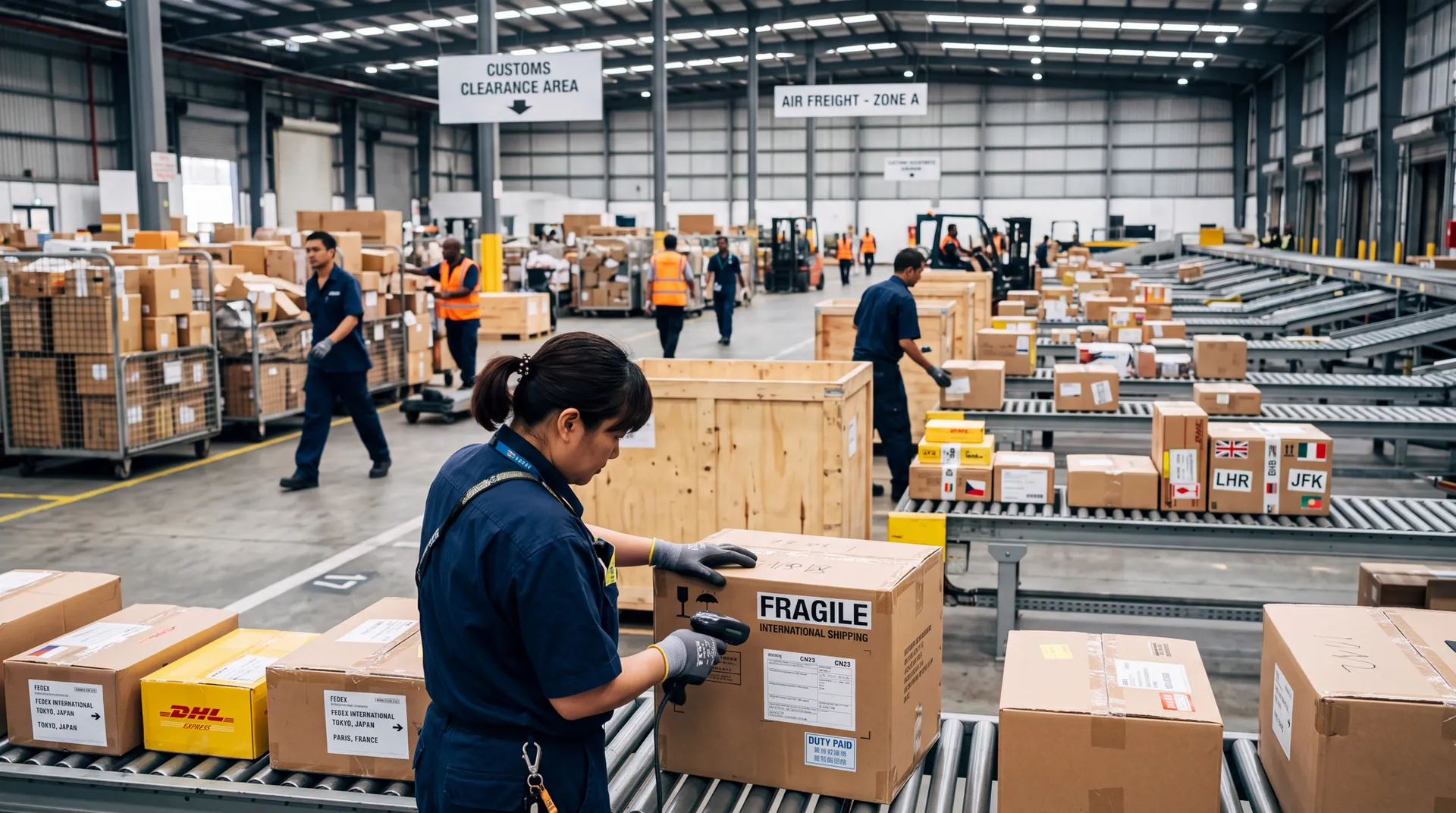
Starting from September 1, 2026, Russia will introduce the mandatory use of an electronic bill of lading (ETrN), a digital analog of a paper document accompanying a cargo. This is a key element of a large-scale logistics and document management reform aimed at increasing transparency, reducing costs and minimizing the human factor in the transport chain.
Based on Federal Law No. 140-FZ of June 7, 2025, all participants in cargo transportation — from senders to recipients — are required to generate and transmit ETRN through the state system of electronic transportation documents (GIS EPD). In addition to the ETRN, transportation requests, waybills, and forwarding documentation will also be digitized.
This requires the use of specialized platforms, such as 1C-EPD, integrated with accounting and logistics systems. They allow you to create, sign and exchange documents in compliance with the requirements of the Federal Tax Service and the formats approved by Order No.ED-7-26/1065@.
It is impossible to ignore the transition: fines are provided for the absence of an ETRN — from 1,500 rubles for drivers to 250,000 rubles for companies. Repeated violations may result in the suspension of activities. They will check the relevance and reliability of the transmitted information especially strictly.
The abandonment of paper document management is already bringing tangible benefits to companies. Electronic invoices can save up to 70% on printing and storage, reduce errors, speed up payments with customers and optimize routes. Due to automatic filling and integrated verification, the time for processing each invoice is reduced from 15 to 45 minutes.
Switching to ETRN is not only following the letter of the law, but also a real chance to modernize logistics. To prepare for the innovation, companies need to check the availability of their IT infrastructure in advance, connect the EPD service, train staff, and test integration with GIS EPD. Forwarding companies are required to notify GosLog about their activities by May 1, 2026.
Electronic transport documents are a step towards more transparent, faster and safer logistics. A business that adapts to new requirements in time will gain an advantage in the market and reduce operating costs.