





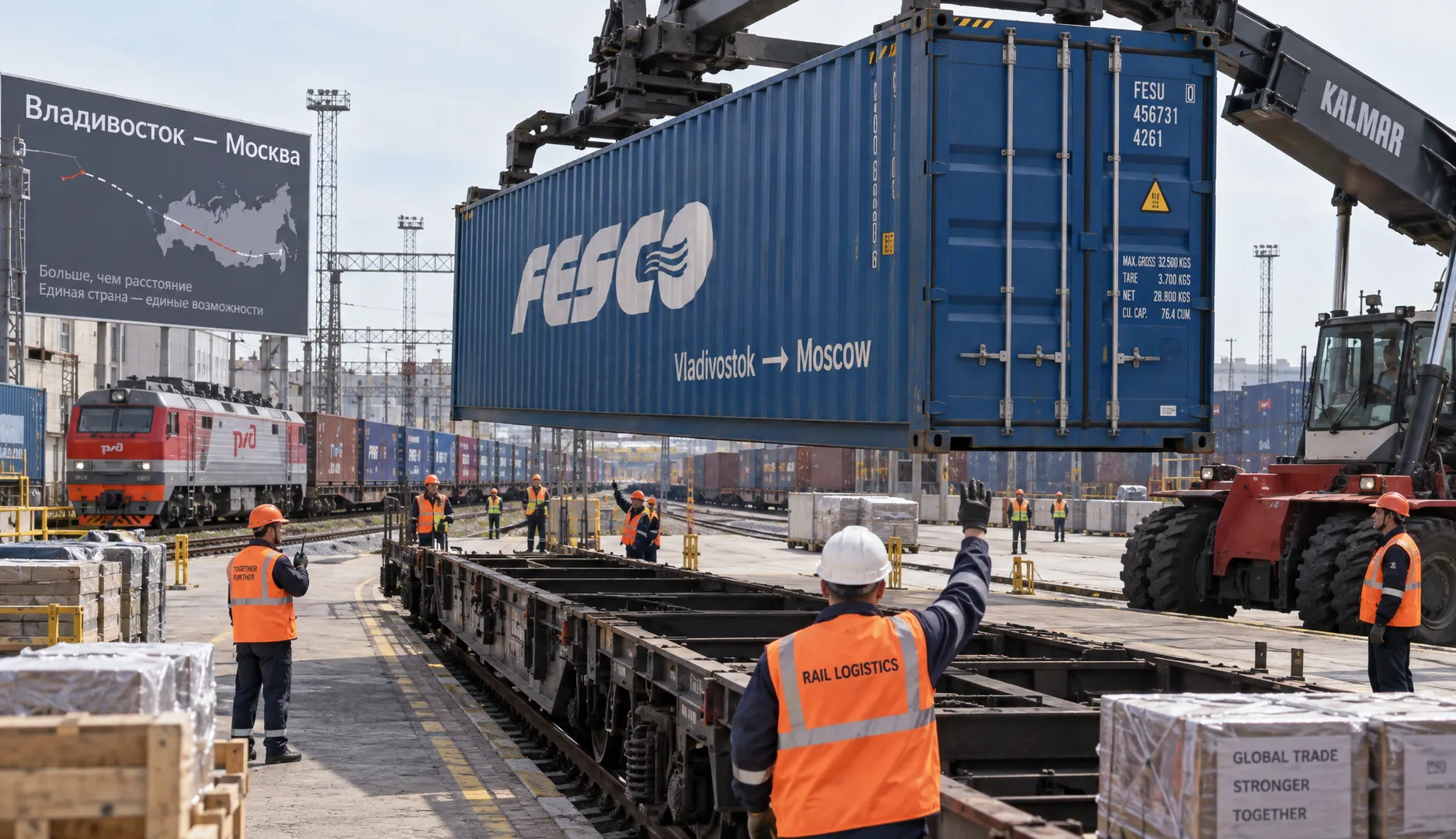
In two weeks, from the end of August to the beginning of September, the rate added 22 thousand rubles: at the end of August it was 332 thousand rubles, and by the first half of September it reached 354 thousand rubles per container. The Vladivostok — Moscow route concentrates the country's main import container traffic, so the dynamics of rates on it sets a benchmark for the entire market.
October will be the next point of cost revision. According to Roman Shagalov, senior analyst at the "Center for Price Indices" JSC, market expectations are such that the indexation of the railway tariff will be able to be transferred to the rate for customers. This means that cargo owners will see another increase in the figure in the contract with the operator.
The profitability of operators on import routes is now at a historically high level. The spread between the income and expenses of operators — that is, the difference between the rate for the customer and infrastructure payments in favor of Russian Railways — has significantly widened against the background of rising market rates.
"We see that the spreads between income and expenses have increased significantly because the rates for container transportation are increasing. At the moment, container operators on import routes are doing very well — yields have recovered compared to the average values for 2025, current yields are at a historically solid level. Operators earn money on import routes," Roman Shagalov commented in August.
For importers purchasing goods from Asian countries and delivering them through Vladivostok, the increase in rates directly increases the cost of the batch. With a container of 354 thousand rubles, only the railway component of logistics from the port to Moscow forms a significant share of the final price of the goods. Companies that have not fixed the rates in advance risk facing higher costs already in October shipments.
The operating profit of the operators creates an incentive for them to maintain the current pricing policy. The market does not expect a reduction in rates in the coming months: the upcoming indexation of the Russian Railways tariff will add a new load to the cost base of operators, which they intend to translate into customer prices.
Related news: