The register of transport infrastructure facilities will be converted to QR codes and expedited statements.
The register covers objects of all types of transport — sea, inland waterway, air, railway, automobile and off-road. The three-section structure has been preserved: categorized transport infrastructure facilities, non-categorizable facilities, and vehicles.
Each object included in the registry is assigned a unique registry number. It is formed in the subsystem "Unified Register of accounting for licenses (permits)" through interaction with the Unified State Information System for Ensuring Transport Security (EGIS OTB). An entry in the register confirms the compliance of the facility with the requirements of transport safety and serves as the official basis for inspections and registration of permits — which directly concerns the owners of logistics facilities involved in the chains of foreign economic activity.
The main application submission channel is a Single portal for state and municipal services using an enhanced electronic signature. In the absence of a technical possibility, it is allowed to submit through the interdepartmental electronic document management system or on paper. After receiving the application, the control body verifies the information, including through interdepartmental interaction.
The time for issuing statements has been shortened. The electronic statement is sent to your personal account on a Single portal on the day of the decision. If the application was submitted on paper, the document is additionally sent to the specified address within one business day.
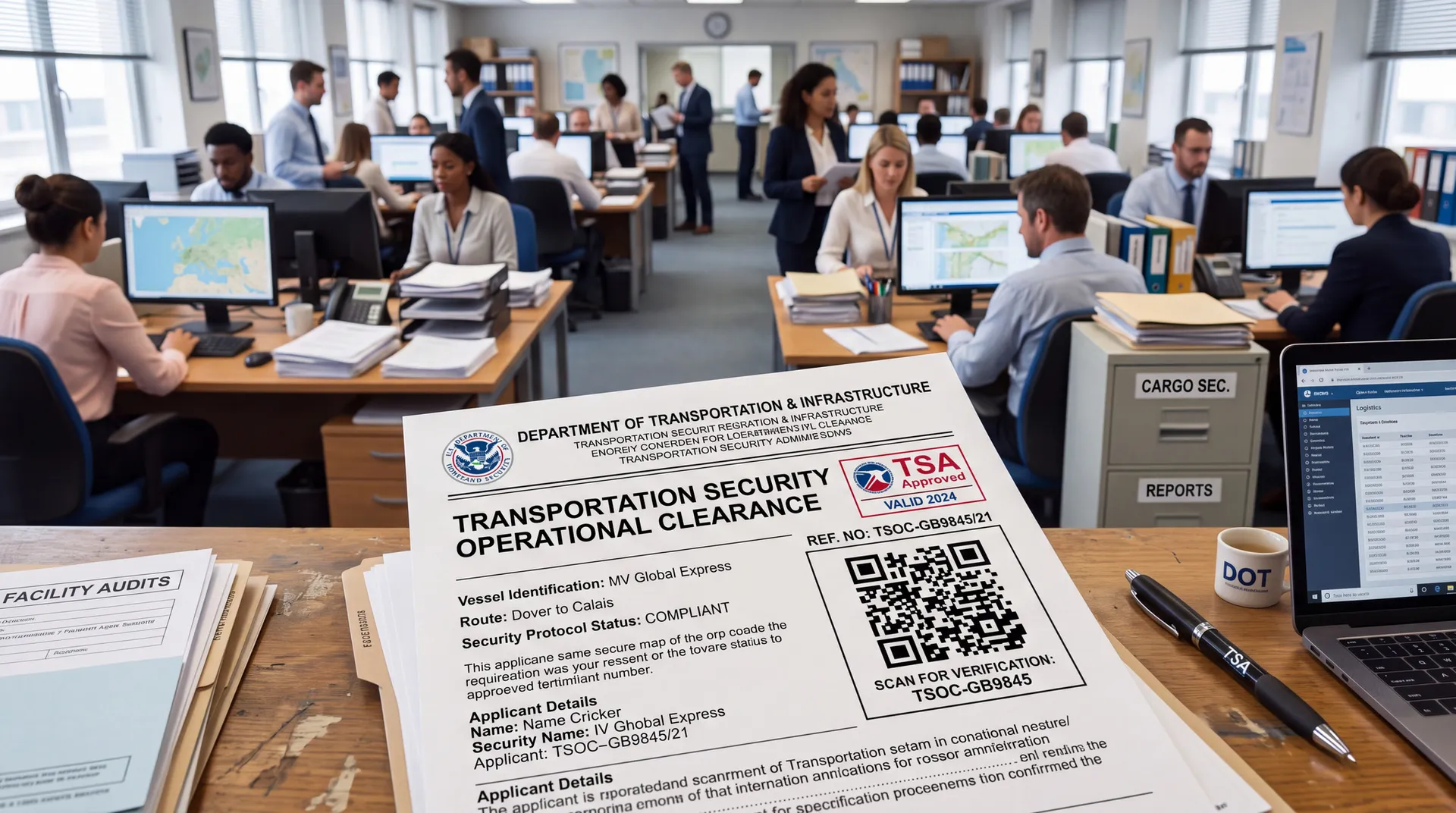
The main technical innovation is QR codes on bank statements. Each document will contain a two-dimensional barcode with a link to a page with the corresponding entries from the registry. This allows you to instantly verify the authenticity and relevance of information without requesting additional information. It is convenient both for routine inspections and for prompt confirmation of the facility's status to contractors or supervisory authorities.
For owners of port, warehouse, and terminal infrastructure involved in import and export operations, speeding up registry procedures reduces administrative delays in obtaining permits. The order is undergoing a public discussion stage. Before it takes effect, market participants can send comments through established channels.