Marketplaces are offered to take over the verification of product labeling: a new round of anti-counterfeiting

According to the proposals of the Ministry of Industry and Trade of Russia, large marketplaces may receive an obligation to control the labeling and relevant documents for goods, even if they are stored not in the warehouses of the sites themselves, but by sellers. shoppers.media+1
According to the current law, the responsibility of sites for labeling applies only to goods located in their own warehouses (FBO model). However, in the model where the seller stores the goods himself and delivers them directly to the buyer (FBS model or others), the marketplace does not formally verify the labeling. This creates "loopholes" through which unmarked or counterfeit goods can enter. MPGO+1
The Ministry of Industry and Trade's option provides for expanded responsibility: sites must verify information on labeling, certification, and registration of goods through state registries. forbes.ru+1 High—risk product categories - food, dietary supplements, baby products, medical products — will be under special control. shoppers.media
What arguments do the proponents of the initiative put forward?
- The Association of Omnichannel Trading Companies notes that the new rule will reduce the number of fraudulent sellers and increase consumer protection. shoppers.media
- The labeling operator, the Center for the Development of Advanced Technologies (CRPT), indicates that if the product is required to be labeled, then it must be labeled regardless of how it is transferred to the buyer — through the marketplace warehouse or not. shoppers.media+1
What objections do businesses have?
- For small sellers working with their own warehouses, new requirements can become an additional burden. shoppers.media
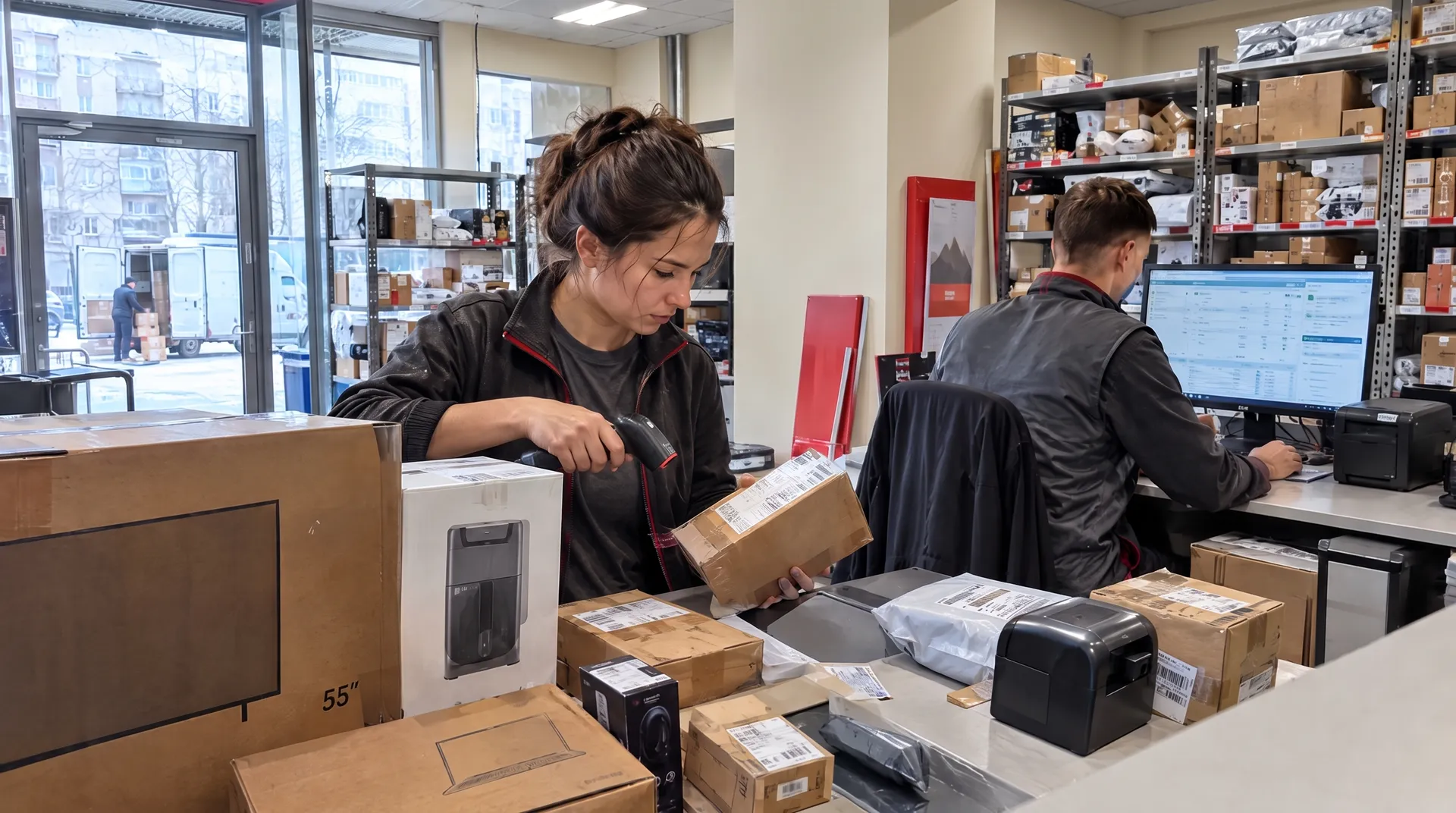
- The need to equip pick-up points and warehouses with equipment for code reading and integration with labeling systems raises concerns: not all participants in the chain are ready for technical and financial costs. shoppers.media
What should marketplaces and sellers consider?
- Marketplaces will have to develop their integration systems with state registers and labeling systems so that verification becomes automatic and as transparent as possible. Rossiyskaya Gazeta
- It is important for sellers to put their labeling, certification and registration documents in order in advance, otherwise the product may be suspended for sale.
- It will become more important for consumers to see confirmation of the legality of the product: the presence of labeling and verified sellers will be a factor of choice.
In general, the proposed changes reflect the desire to increase the transparency of electronic commerce and protect the rights of the buyer. However, the transition to new rules may pose a challenge to both marketplaces and small businesses if technical and organizational issues are not worked out in advance.