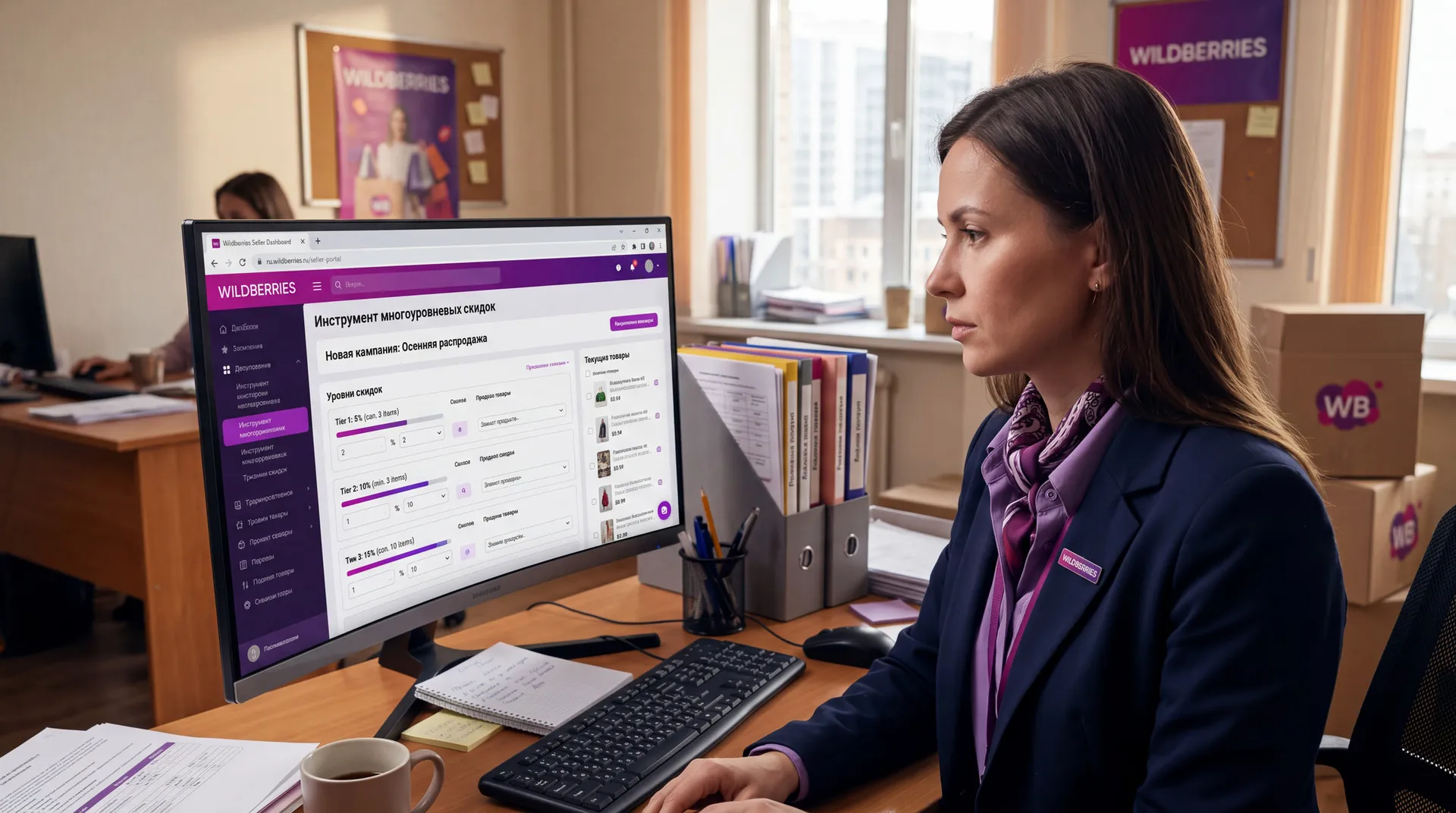
Existing order pick-up points are resold as a ready-made business. The seller transfers to the new owner not so much the equipment as the contact with the owner of the premises and the opportunity to rewrite the lease agreement in one day.
The logic of the market is explained through the distribution of tasks. The marketplace provides the partner with a cash register, software, and training — this part of the entry is inexpensive and can be solved quickly. And the search for premises remains entirely on the entrepreneur.
"Wildberries will help you with the cash register, but they won't help you sign a lease. You'll have to find a place yourself," a market participant describes the situation.
The requirements for the point are strict: the first line or passage point in a residential area, a certain area for a storage area, a separate entrance, and compliance with the site's equipment requirements. There are few suitable premises in the developed areas, and those that exist are already occupied, including the existing PVZS of competing sites.
"People who have a point and sell have contact with the owner and can just rewrite the contract for a new entrepreneur in one day," says the source.
For sellers and logistics operators, this market explains the geography of delivery. Pick-up points are concentrated where the rental economy converges, and do not appear where they do not converge. Hence the difference in delivery time and cost between large cities and small towns: it's not about the lack of people willing to open a point, but about the lack of premises with an acceptable rate.
The same logic explains the initiative of the Russian Post, which proposed allowing the self-employed to set up pick-up points directly in post offices. The premises, utilities and traffic are already there — the main cost item and the main barrier to entry are removed.
What a business should do. Entrepreneurs who consider PVZ as a direction should consider the economy from rent, not from equipment: the rate and term of the contract determine the payback more strongly than the conditions of the site. When buying a ready—made point, check the validity period of the contract, the right to assign, and the owner's position on indexing: a point without a long contract costs exactly as much as its equipment costs.
Similar materials on the website
- Ozon exports expensive goods from warehouses to pick—up points - as a platform loads the PVZ network with new functions
- Russia has approved a new GOST for warehouses, storage facilities and hypermarkets — the requirements for the premises that form the barrier of entry