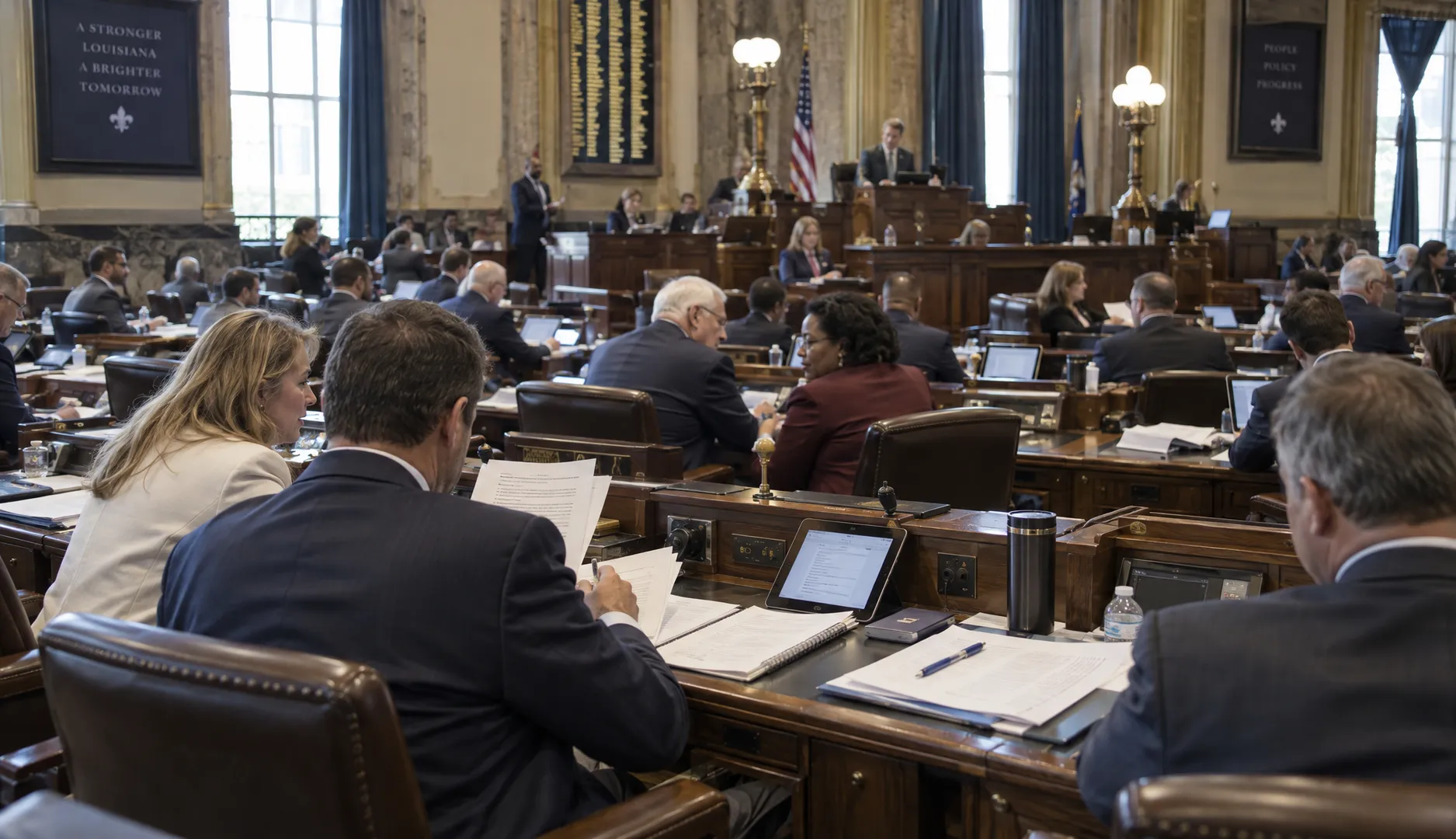
Bill No. 617-9 has undergone significant revision by the second reading. Two key norms were removed from the original version: the obligation of marketplaces to identify the risks of incorrect calculation and non—payment of taxes, fees and insurance premiums by partners, as well as the mechanism for suspending the acceptance of orders and displaying product cards at the request of the Federal Tax Service if the seller did not appear at the inspection or did not submit documents.
The exchange of documents through sellers' personal accounts in the form in which it was originally envisaged has also disappeared from the project. Trading platforms will not become an intermediary between the seller and the tax authority with the right to block trading.
However, there was no complete abandonment of the platforms' participation in tax administration. The revised version retains the obligation of marketplaces to compare sellers' activities with established risk indicators and transmit the results to the Federal Tax Service. The service itself will make decisions based on the results of such monitoring, without the right of the sites to independently restrict trading.
The amendments have not yet been adopted. Until the law comes into force, sellers do not have any new responsibilities from this project. The current requirements — calculation and payment of taxes, reporting, and responses to inspection requirements — remain the same.
For sellers working through marketplaces, several practical steps are relevant now. The first is to compare the reports of the sites with the data of their own accounting: the amount of sales, refunds, withheld remuneration and actual receipts. It is better to identify and eliminate discrepancies before submitting the next report. The second is to check who in the company receives notifications from the marketplace and the requirements of the Federal Tax Service and how quickly they get to the responsible specialist.
Errors in accounting for transactions on platforms lead not only to additional charges, but also to overpayment of taxes. Incorrect reporting of revenue, commissions, and refunds is a typical source of discrepancies that attract the attention of the tax service.
The final procedure for data exchange, the list of risk indicators and the timing of their application will be known after the adoption of the law. It is worth following the final text of the amendments separately: the wording may still change.
Related news:
- Tax authorities will have the right to block product cards on marketplaces — the first edition of the regulation on blocking cards at the request of the Federal Tax Service
- Tax bill: blocking marketplaces and fines of up to 121,000 rubles — what else was in the tax bill in the fall
- Sellers of marketplaces under the gun of the Federal Tax Service: how not to get additional charges — how the Federal Tax Service catches marketplace sellers
- The Chestny ZNAK has become a tool of the Federal Tax Service's tax control — how the Federal Tax Service uses labeling data
- The date of receipt of income on the USN when trading through the marketplace: what did the Ministry of Finance say and how it works in practice — when the income from sales on the marketplace is recognized on the USN