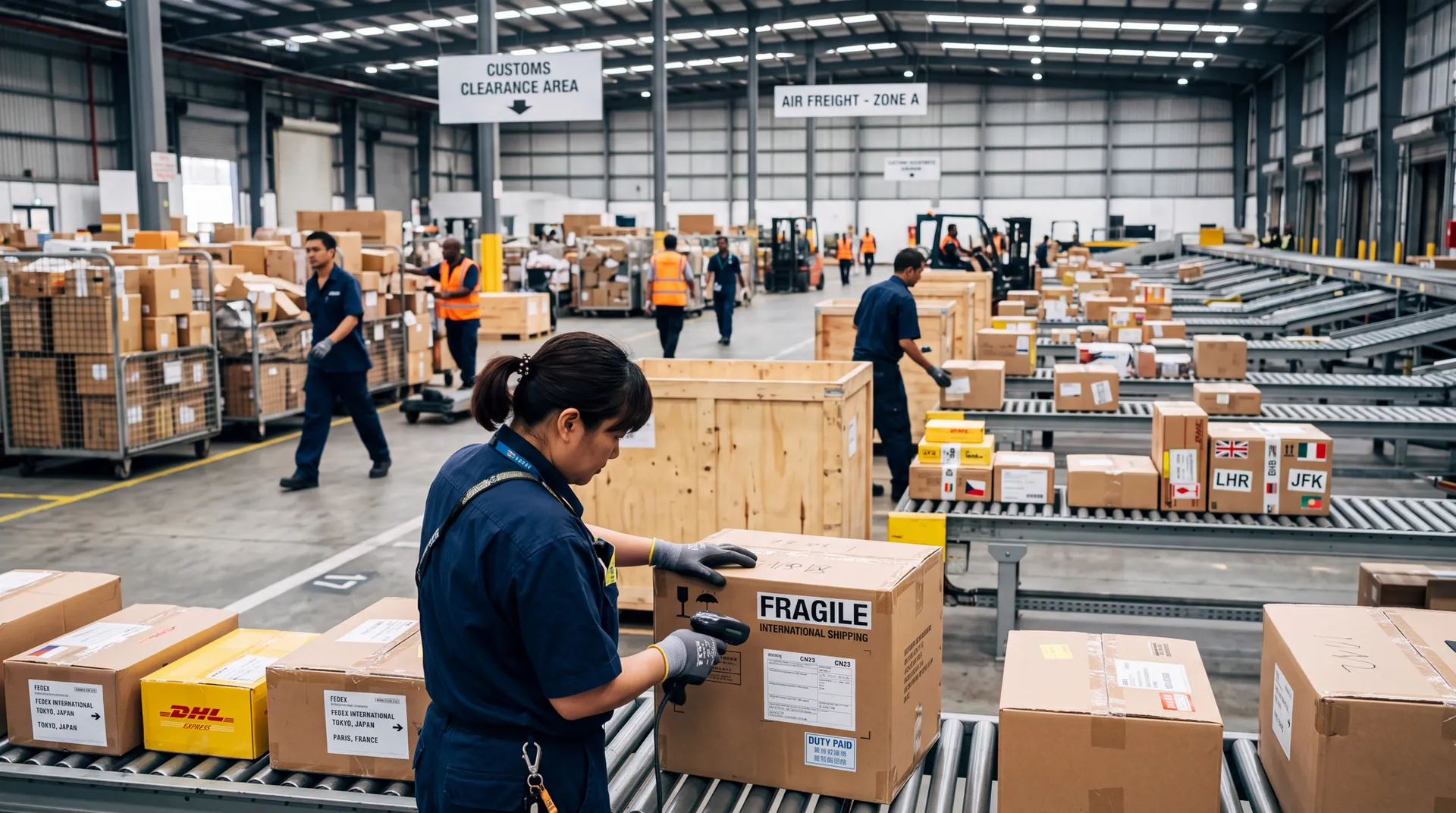
Marketplaces have long wanted to clean up the "fitting room" — when a customer orders five sizes, leaves one, and returns four. Each such return is a re—processing, loss of presentation, and logistics costs. The rules have changed since May 15th.
Post—payment is now a privilege
The ability to pay for an order after receipt and inspection is linked to the buyer's rating. If the repayment percentage falls below 50%, the post—payment is blocked automatically. This is not a limitation of rights, it is a risk management on the part of the platform.
This is good news for sellers: there are fewer "tourists" who order for the sake of fitting. More orders with a real intention to buy. This is especially noticeable in the clothing and footwear categories, where the percentage of returns is historically the highest.
Shelf life — no exceptions
Previously, marketplaces could turn a blind eye to a delay of a day or two. Not anymore. The shelf life in the PVZ or postamate has become fixed. Expired — the product automatically goes back to the warehouse. The time limit may be shortened for some categories and regions.
It is important for sellers to keep track of this: returning to the warehouse is a re—processing and loss of a storage slot. If the product is expensive or bulky, the costs are palpable.
Refunds have become paid
The most resonant change is the introduction of a fee for the return of goods if they do not have a factory defect. The color, size, and style did not match — the cost of return shipping is deducted automatically. Western marketplaces have been working like this for a long time.
At the same time, the FAS requires transparency: the terms of collection of fees must be clearly stated in the offer. Ozon and Wildberries have already adjusted their public offers at the request of the antimonopoly service.
Quarantine of Wildberries prices
At the same time, Wildberries introduced a protection mechanism against a sharp drop in prices. If the seller reduces the price by more than 33.3% at a time, the product goes into "quarantine". The new price is applied only after verification.
For importers with currency risks, this creates an additional limitation: it will not be possible to quickly respond to exchange rate fluctuations by lowering prices. It is necessary to put a buffer in the pricing in advance.
What to do right now
Check the current repayment percentage on your cards. If it is close to 50%, you need to figure out the reasons for refunds before the post—payment is blocked. Review product cards: accurate size grids, real photos, and honest descriptions reduce the likelihood of returns for subjective reasons. Update the financial model, taking into account paid refunds and price quarantine.