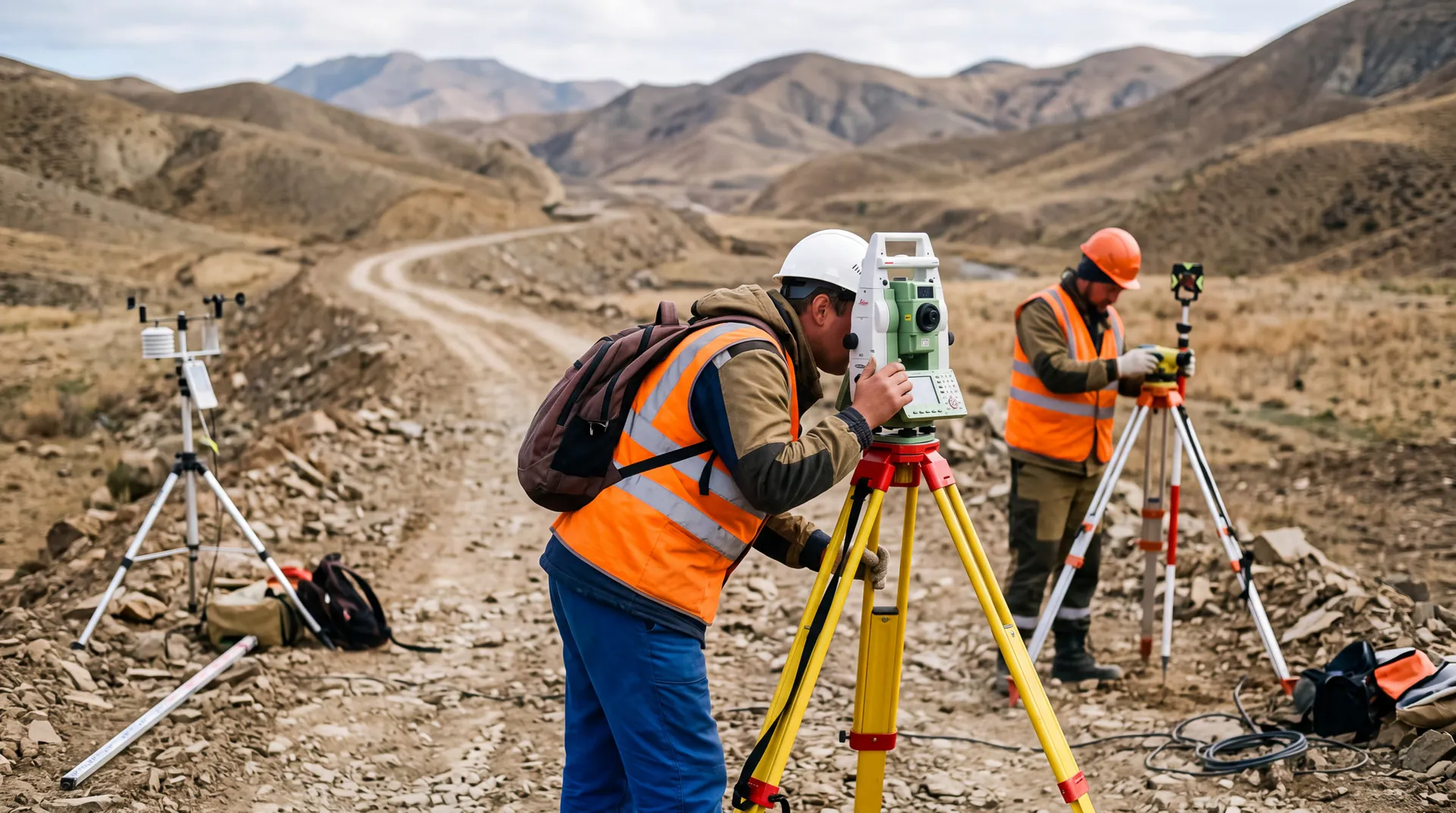
Iran's Deputy Minister of Roads and Urban Development, CDTIC Director General Khushang Bazvand said that last week the National Security Council approved the agreement, and the Russian company Caspian Services transferred the remaining 37 km of land along the future highway. Now the entire 162-kilometer route is open for field work.
"Thanks to the efforts made by the National Security Council, fortunately, it approved this agreement last week," Bazvand told Tasnim news agency.
The history of the project stretches back to May 2023, when Iran and Russia signed an intergovernmental agreement on the construction of the missing section between the two countries. The transfer of land plots to Caspian Services was announced back in February 2026, but the agreement has only now been approved at the National Security Council level. It was originally planned to complete the main works by the end of 2027 and put the road into operation in early 2028. Taking into account the actual course of events, direct construction is likely to begin only in the second half of 2027.
To date, Russian specialists have built a reference geodetic network, performed aerial photography, and are conducting hydrometeorological surveys and topographic surveys, Deputy Prime Minister Andrei Nikitin previously reported.
For shippers operating on the Russia—Iran—Middle East route, the lack of direct rail links on the western branch of the North-South corridor means the forced use of vehicles or overloading between road and rail transport. Such schemes lengthen transit time and increase the risk of cargo damage. The launch of the Rasht-Astara section will bridge this gap and create a continuous rail link from the European part of Russia through Azerbaijan to Iran and further to the Middle East.
The commissioning dates have shifted by at least a year relative to the original plan. Cargo owners planning logistics along the western branch of the North-South railway in the horizon of 2027-2028 should include possible additional delays in route plans and maintain backup multimodal options until the official announcement of the start date of construction.
Related news:
- Rasht–Astara: the start of construction in April 2026 will strengthen the North–South corridor, which began the stage of practical implementation of the site in 2026
- Astrakhan will increase cargo turnover with Iran to 8 million tons by 2026 — how Astrakhan is increasing cargo turnover with Iran along the eastern branch of the corridor
- Iraq opens Al-Sheeb crossing with Iran and closes Mandali — how the work of Iran's border crossings with neighboring countries is changing
- The EAEU and the CIS are preparing a common transport space for Greater Eurasia — the EAEU and CIS plan to eliminate bottlenecks on transport routes
- Integration of BRICS transport systems: Plans and Reality — how BRICS countries link their transport systems