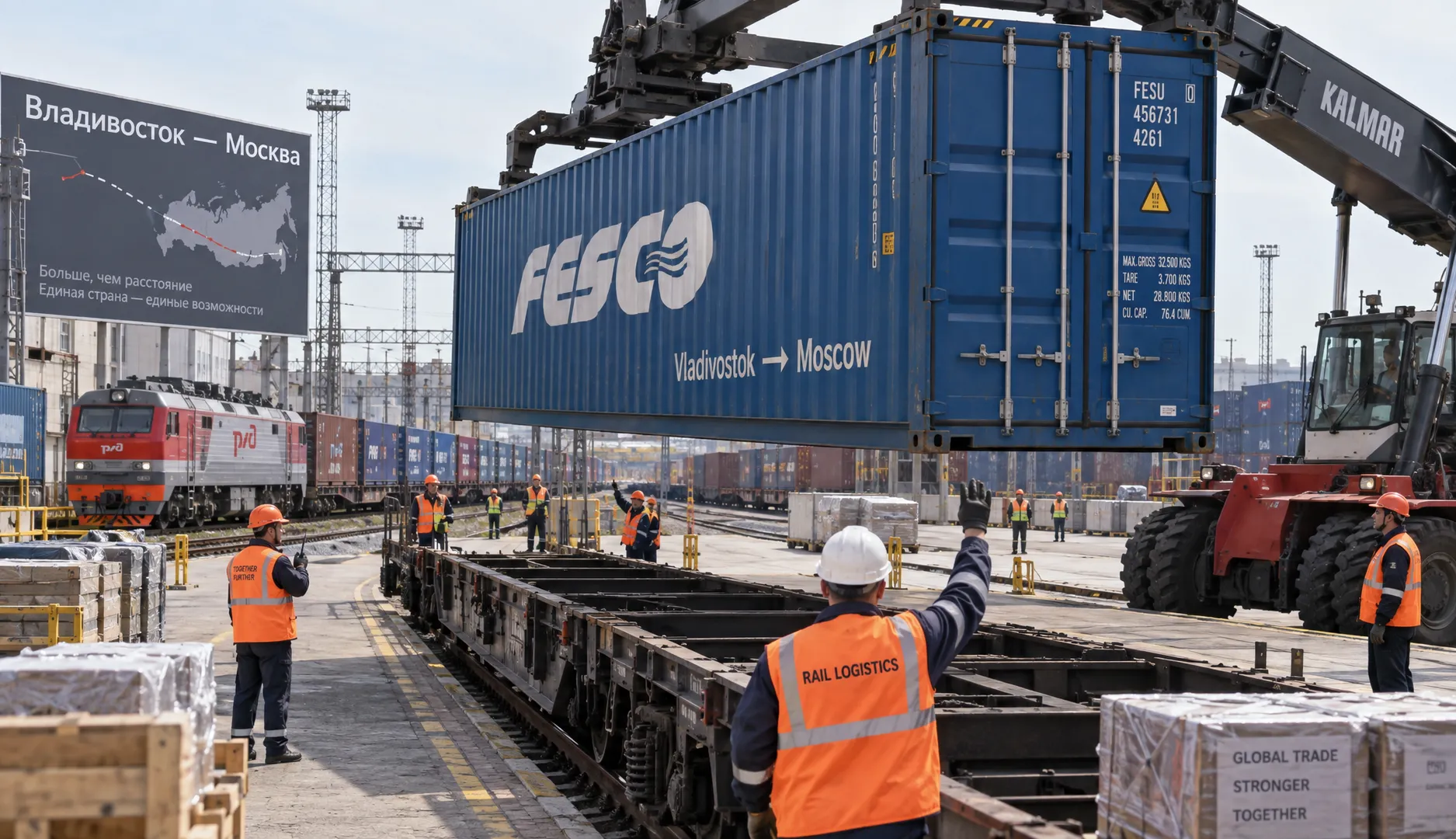
In the coming months, participants in the container shipping market will face a new round of rising rates. Experts agree that the rise in freight prices is inevitable and is associated with several seasonal and structural factors.
Firstly, the market is affected by the effect of the so-called "post-holiday shock". After the National Holiday Week in China, which takes place annually from October 1-8, Chinese factories are dramatically increasing shipments. Manufacturers are rushing to compensate for downtime, and as a result, a huge amount of export cargo enters the market at the same time. Logistics capacities, including ships, containers and port infrastructure, do not have time to cope with the flow, which naturally pushes up the rates.
Secondly, the traditional "peak season" begins in autumn. Russian retailers are actively building up stocks for New Year's sales and are striving to deliver goods as quickly as possible before the holidays. The increase in import volumes in a short period of time further increases the burden on carriers.
The third factor is the chronic shortage of logistics capacity. The withdrawal of Western shipping companies and the high workload of Far Eastern ports continue to create bottlenecks in supply chains. These restrictions are increasing against the background of growing demand, which inevitably leads to a jump in freight rates.
After the New Year holidays, in the period from January to March 2026, a traditional recession is expected. During this period, a "logistical pit" sets in: consumer demand decreases, and Chinese enterprises go on long vacations on the occasion of the Chinese New Year. For several weeks, production actually stops, cargo flows decrease, and the market temporarily returns to balance. It is during this period that the rates for container transportation reach an annual minimum — this is the best time to conclude long-term contracts on favorable terms.
A new growth cycle will begin as early as March 2026, when factories in China will resume operating at full capacity and global supply chains will re-activate. Then the demand for transportation will increase, and with it the cost of freight.
Separately, it is worth noting the problem of shortage of empty containers in China. This factor increases the pressure on the market. The imbalance between exports and imports between Russia and China remains significant: the volume of supplies from China is many times higher than exports in the opposite direction. As a result, containers are accumulating in Russia, and China is chronically short of them. Shipowners are forced to compensate for the return of empty equipment, which increases overall costs and ultimately affects rates.
If Russia's export activity does not grow, the Russia–China route will continue to be a "donor" of empty containers, and the market will depend on external fluctuations in demand and seasonal factors.