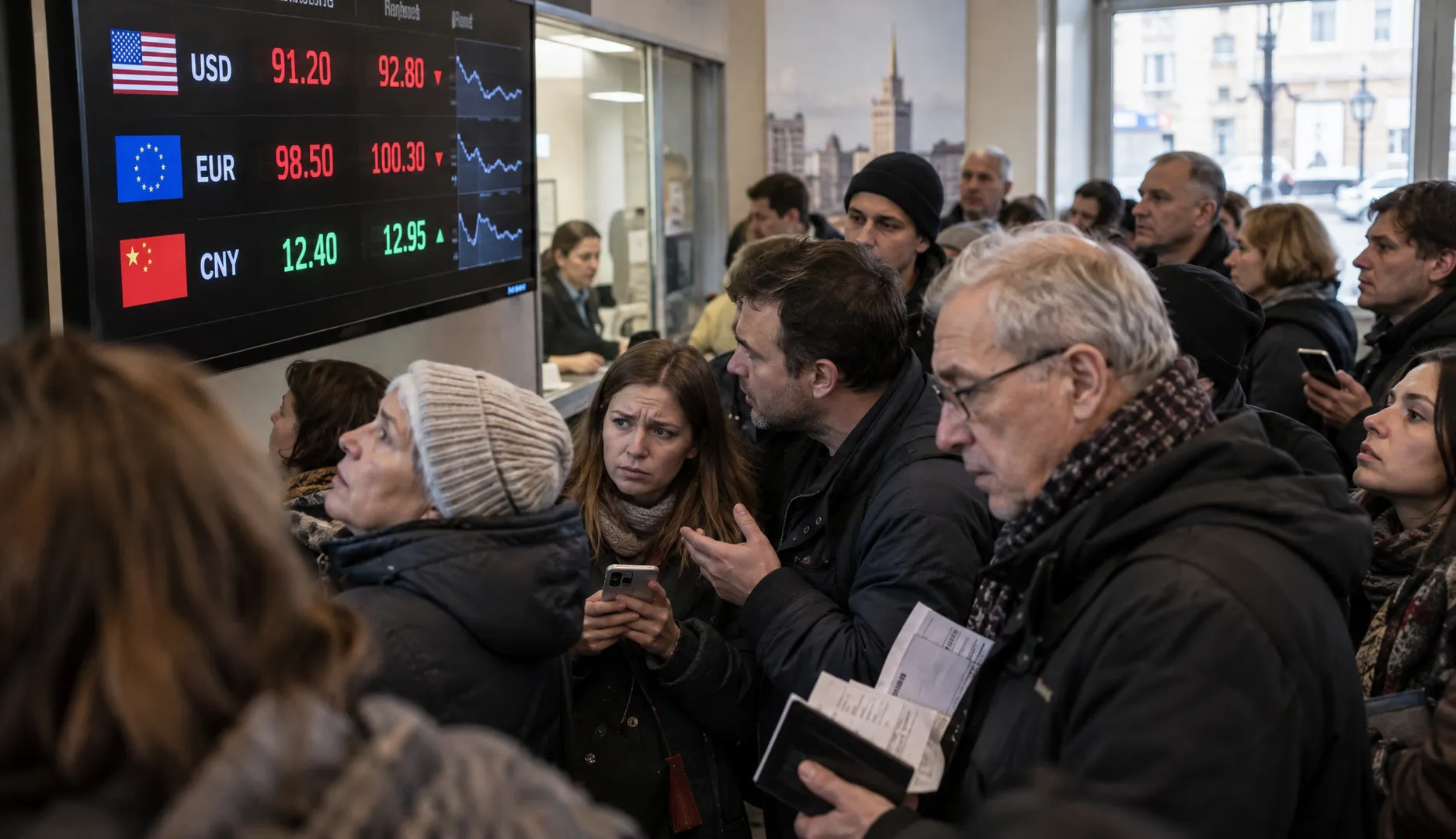
The official dollar exchange rate rose from 82.6617 to 82.9803 rubles, an increase of 31.86 kopecks in one day. The yuan added 0.01 rubles and gained a foothold at 12.4009 rubles against 12.3907 rubles a day earlier. The euro, on the contrary, slightly adjusted: 92.3322 rubles after 92.6968 rubles.
The exchange rate of the dollar and the euro is determined by the Bank of Russia on the basis of bank statements and data from digital platforms of over—the-counter trading - there are no exchange trades in these currencies. The yuan retains the status of the only one of the three currencies that is traded on the currency section of the Moscow Stock Exchange; its official exchange rate is formed from the combined data of the exchange and over-the-counter segments.
The current weakening of the ruble against the dollar and the yuan is unfolding against the background of a sharp increase in demand for foreign currency, recorded in the spring and early summer of 2026. After a long period of stability — demand in the first quarter of 2026 exceeded the level of the fourth quarter of 2025 by only 8% - the indicator almost tripled in the second quarter.
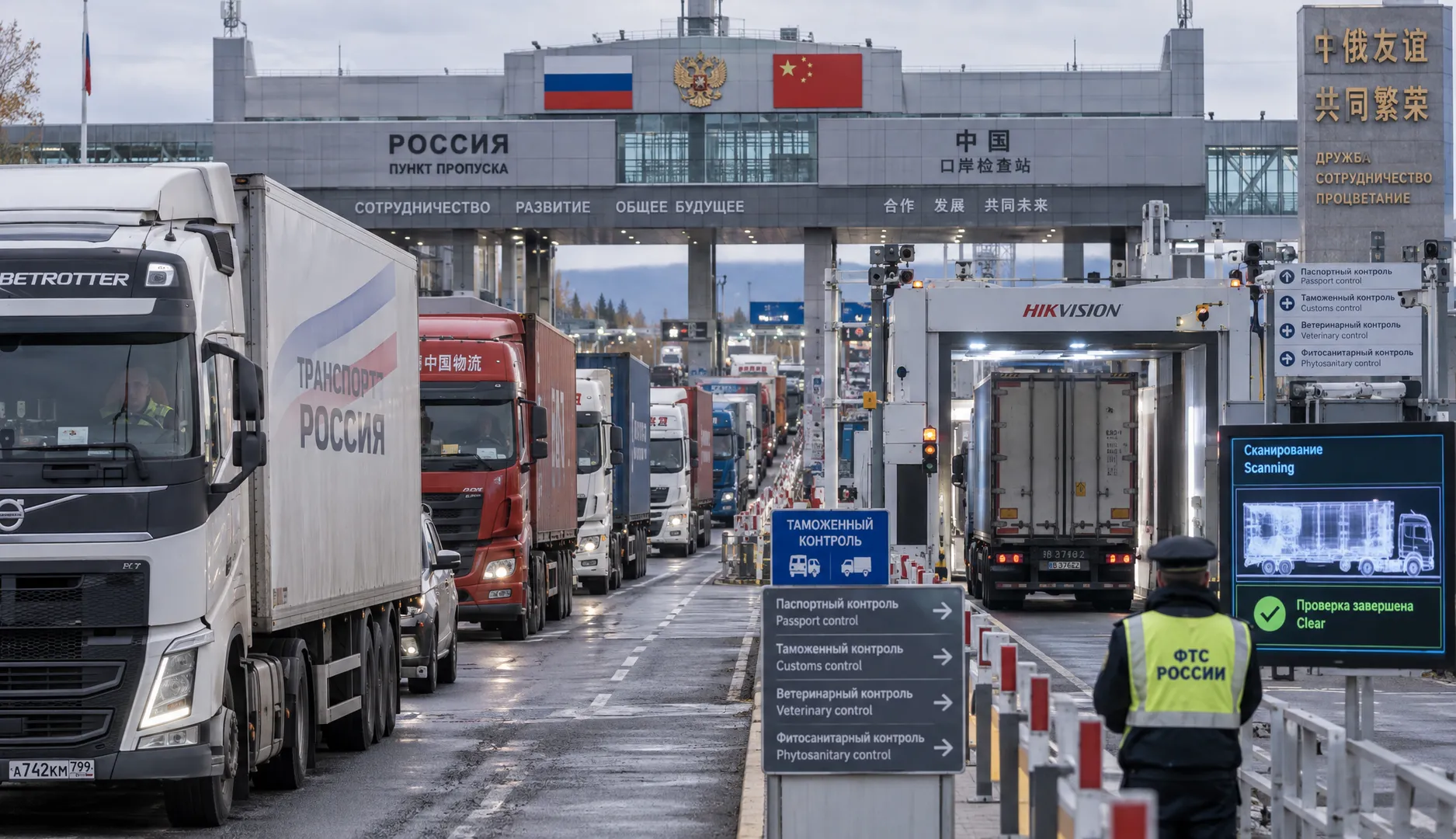
For participants in foreign economic activity who pay in dollars or yuan, every 30-40 kopecks of exchange rate growth on large shipments significantly increases ruble costs. Contracts with a fixed price in foreign currency and long delivery times carry increased exchange rate risk: if the current dynamics continue, the gap between the exchange rate on the date of the transaction and the rate on the date of payment will grow.
The yuan remains the most transparent instrument for settlements with Chinese counterparties: exchange-traded liquidity ensures more predictable conversion pricing compared to the dollar, whose exchange rate is formed exclusively on the over-the-counter market. Importers planning payments in the coming weeks should take into account that the spring-summer surge in demand for foreign currency has historically preceded periods of increased exchange rate volatility.
Related news:
- Sberbank launched direct settlements with Myanmar through the Indian branch — how direct settlements with Myanmar work through rupees
- BRICS Pay will start testing corporate payments in 2027, when BRICS Pay will start testing corporate payments.
- Trepzy has launched multicurrency accounts for businesses in 90+ countries — multicurrency accounts for businesses as an alternative to banks
- Kazakhstan and Uzbekistan to launch cross-border QR payments - launch of cross—border QR payments in Kazakhstan and Uzbekistan
- Changing exchange rate and adjustment of customs value: how can an importer maintain his margin — how exchange rate fluctuations affect the customs value and margin of the importer