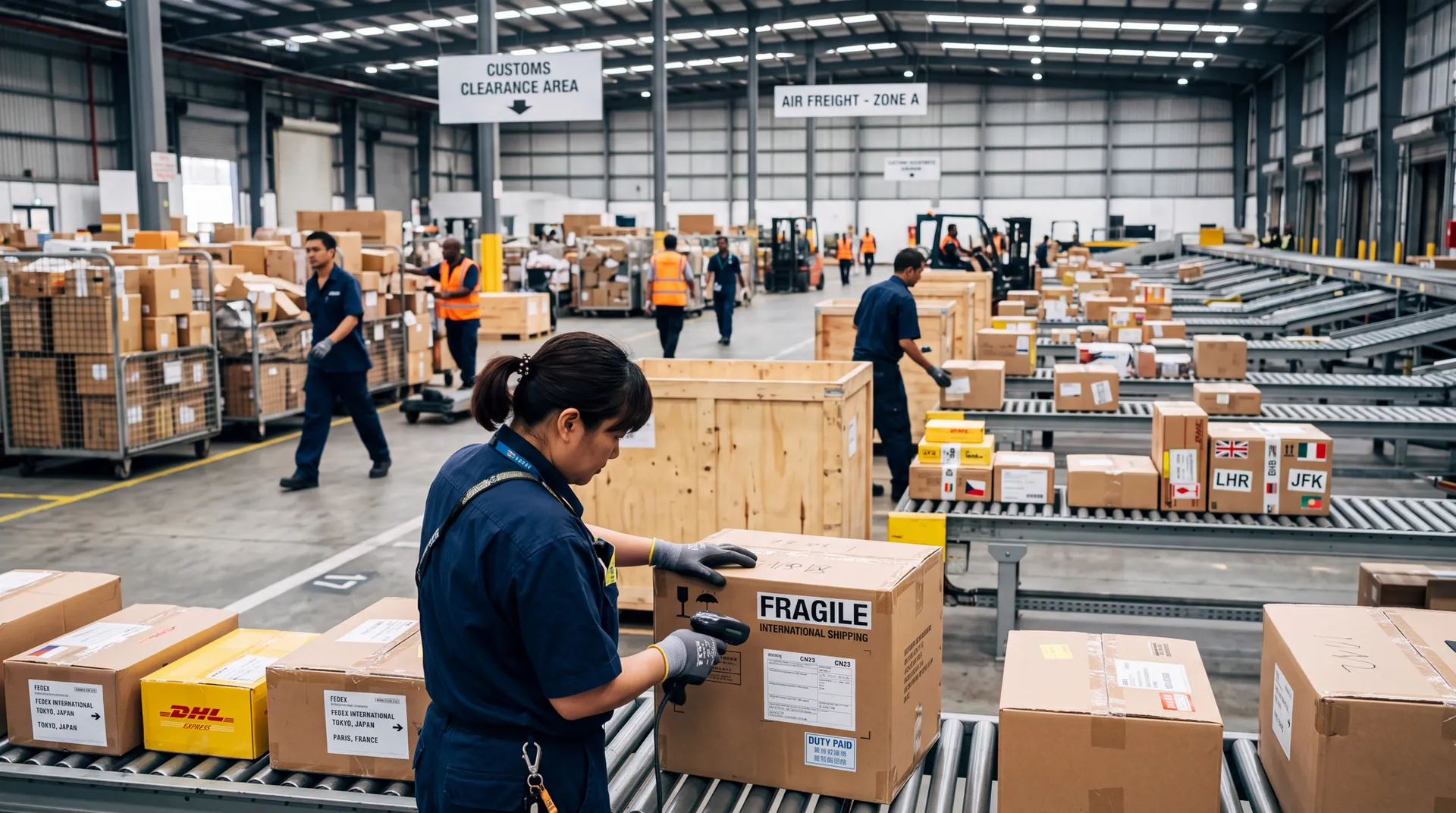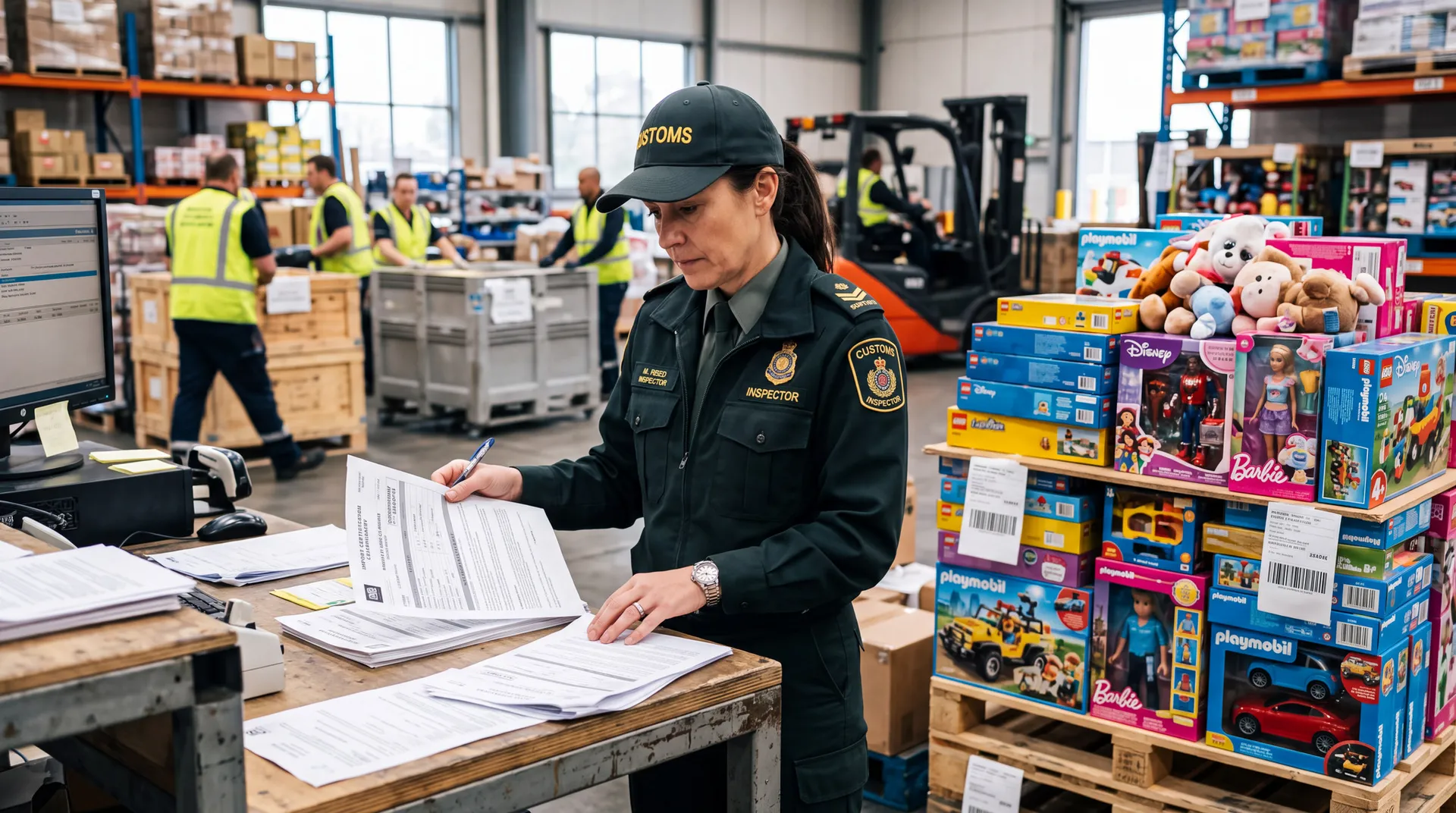
Federal Law No. 218-FZ of 07/04/2026 amended Article 164 of the Tax Code of the Russian Federation, establishing documents by which the taxpayer confirms the right to a reduced VAT rate when importing products for children. Prior to the adoption of the law, there was no list of such documents in the Tax Code of the Russian Federation — this gave rise to disputes with tax authorities about whether a particular product belongs to children.
If there is a Russian certificate of conformity issued by a certification body registered in Russia, information about such a certificate is submitted to the customs authority. A similar procedure applies to the declaration of conformity registered by the national accreditation body: information about the document must be contained in the relevant national register.
If the conformity of products is certified by other documents issued under the EAEU law, the importer submits these documents themselves without reference to the national register. The fundamental difference, therefore, is not in the origin of the goods, but in the method of documentary confirmation: for Russian documents, information from the national accounting system is used, for EAEU documents, direct presentation of the originals.
All documents or information about them are submitted to the customs authority at the same time as the goods declaration. The Federal Tax Service separately clarified this procedure: the issue of confirming the preferential rate is transferred directly to the customs declaration stage. The new design of the Tax Code of the Russian Federation does not allow obtaining a certificate after the release of the product and then retroactively applying the 10% rate to the already issued declaration.
The presence of a compliance document by itself does not automatically entitle you to a 10% rate. The list of children's goods taxed at a reduced rate is still determined by the Tax Code and the corresponding product code lists. The document of conformity becomes an additional element of confirmation that a particular product really belongs to the category of children's goods.
A separate practical issue arises when importing samples for testing and registration of conformity documents. If there is no certificate or declaration of conformity at the time of filing the declaration, it will not be possible to apply the 10% rate for the initial declaration. The specific procedure for processing samples depends on the customs procedure used and the grounds for their import.
Importers of children's goods need to check the availability of up-to-date compliance documents for each item by October 1, 2026 and make sure that the document allows them to identify specific products. Companies working with EAEU documents must prepare the originals for submission to customs — the link to the registry does not apply in this case.
Similar materials on the website
- Customs changes from October 1, 2026: what changes in the declaration — the remaining deadlines are the same date, which are closed with one approach
- The VAT exemption for the import of six types of equipment will be abolished from 2027 — the second VAT exemption, which is being reviewed in the same cycle.
- Honest sign and SPOT plan to integrate for import control at the border — where is the continuous document verification going at the time of declaration