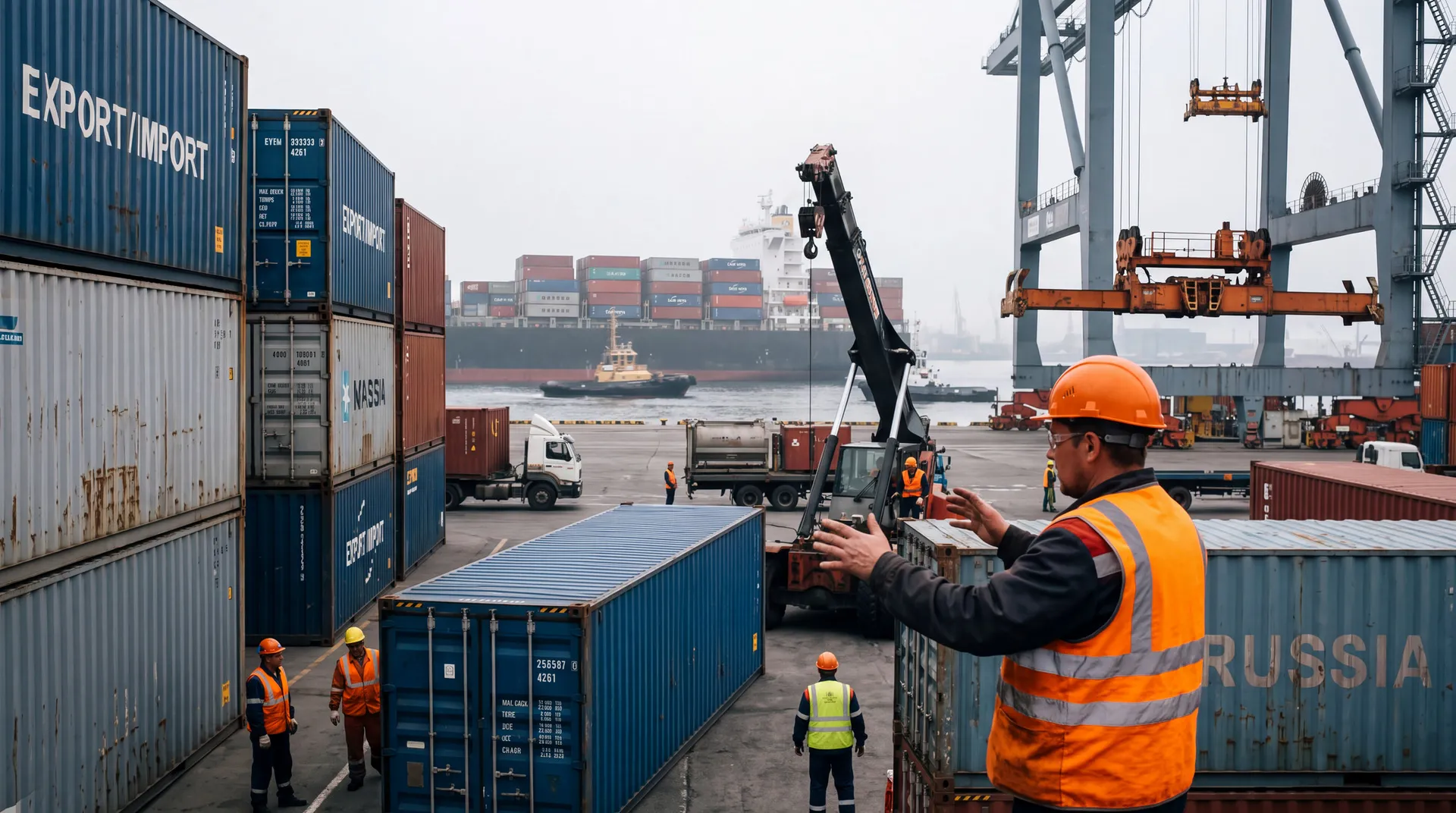
Exports increased by 13.7% in nine months and reached $346.5 billion. Imports grew slightly faster, by 14.1%, to $229.7 billion. The trade surplus remains: exports exceed imports by about 1.5 times.
The commodity structure of exports has remained traditional. Mineral products account for 56.2% — more than half of all exported goods. Machinery, equipment and other industrial goods hold the first place in imports: their share was 48.9%. For importers of industrial equipment and components, this confirms the continued demand within the country and the continuation of parallel imports and direct purchases from Asian manufacturers.
The geography of trade has shifted towards Asia. The countries of the Asian region account for 72.1% of the total trade turnover, and their share continues to grow: the increase in nine months amounted to 17.2%, which is significantly higher than the average in all areas. Europe retains the second place with a share of 16.4%, but the growth rate there is significantly lower — 5.4%. The American continent showed a decrease in trade turnover by 3.7% with a share of 3.3%. Africa occupies the same amount — 3.3%, the increase is minimal: 0.2%.
The dynamics by quarter shows acceleration. In the first half of 2026, the turnover amounted to $365.6 billion with an increase of 11.4%. By the end of eight months, the figure reached $505.5 billion (+13.8%). The nine—month figure of $576.2 billion with an increase of 13.9% shows that the pace is not slowing down - the third quarter added approximately $70.7 billion to the accumulated total.
For comparison, in 2025, the foreign trade turnover amounted to $697.7 billion, a decrease of 2.8%. In the first nine months of 2026, Russia has already passed 82% of last year's annual volume. If the pace continues, the 2026 total will exceed $750 billion.
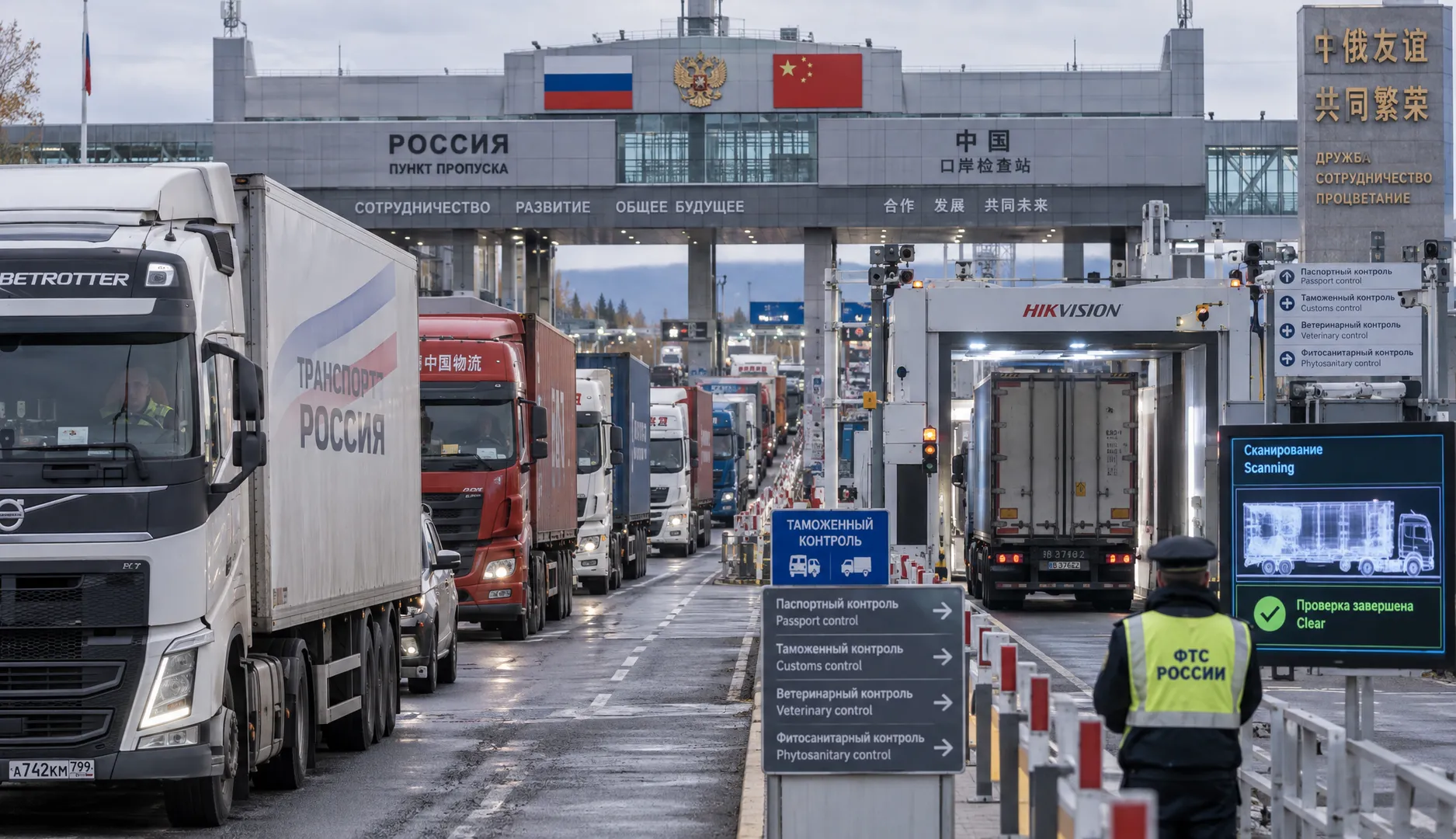
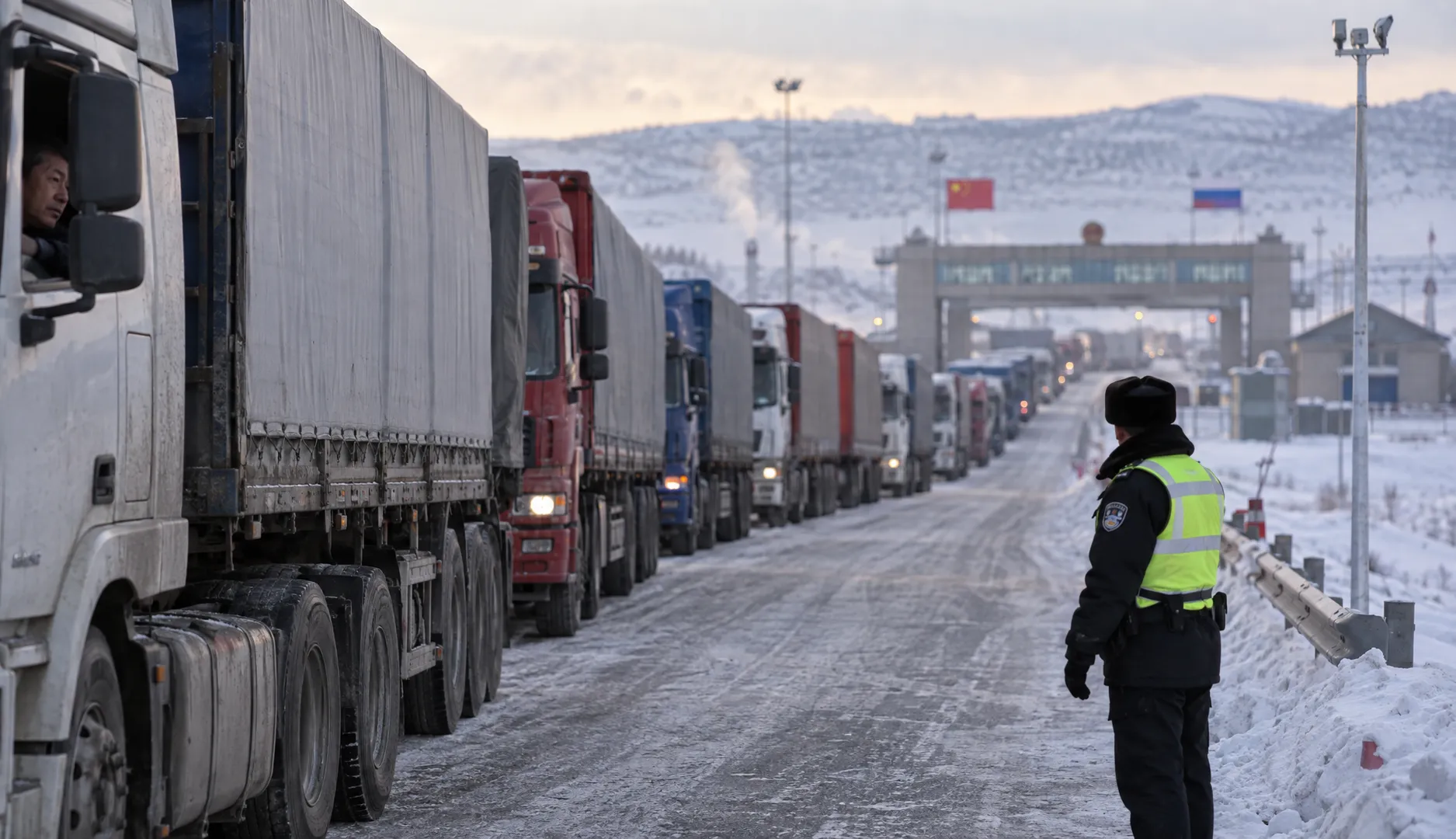
In practice, this means an increased burden on the customs and logistics chains of the Asian direction. Companies working with suppliers from the BRICS countries and Southeast Asia may face increased clearance times and competition for carrying capacity on sought-after routes. Supply planning for the first quarter of 2027 should start with this pressure in mind.
Related news:
- China's foreign trade grew by 31.2% in October 2026. How did the foreign trade of China, Russia's main partner, grow
- Cargo turnover of Far Eastern ports increased by 10.6% in the first quarter of 2026 — as the redistribution of imports loads the Far Eastern ports
- The EAEU has increased duties on clothing, electronics and equipment since November 1. Which EAEU import duties have increased since November 1
- Russia and China have consolidated a plan for customs cooperation until 2027 — priorities of customs cooperation between Russia and China for 2027
- Foreign trade contract in 2026: 3 points that will protect you — and 3 that will drown — which points of the foreign trade contract protect the importer