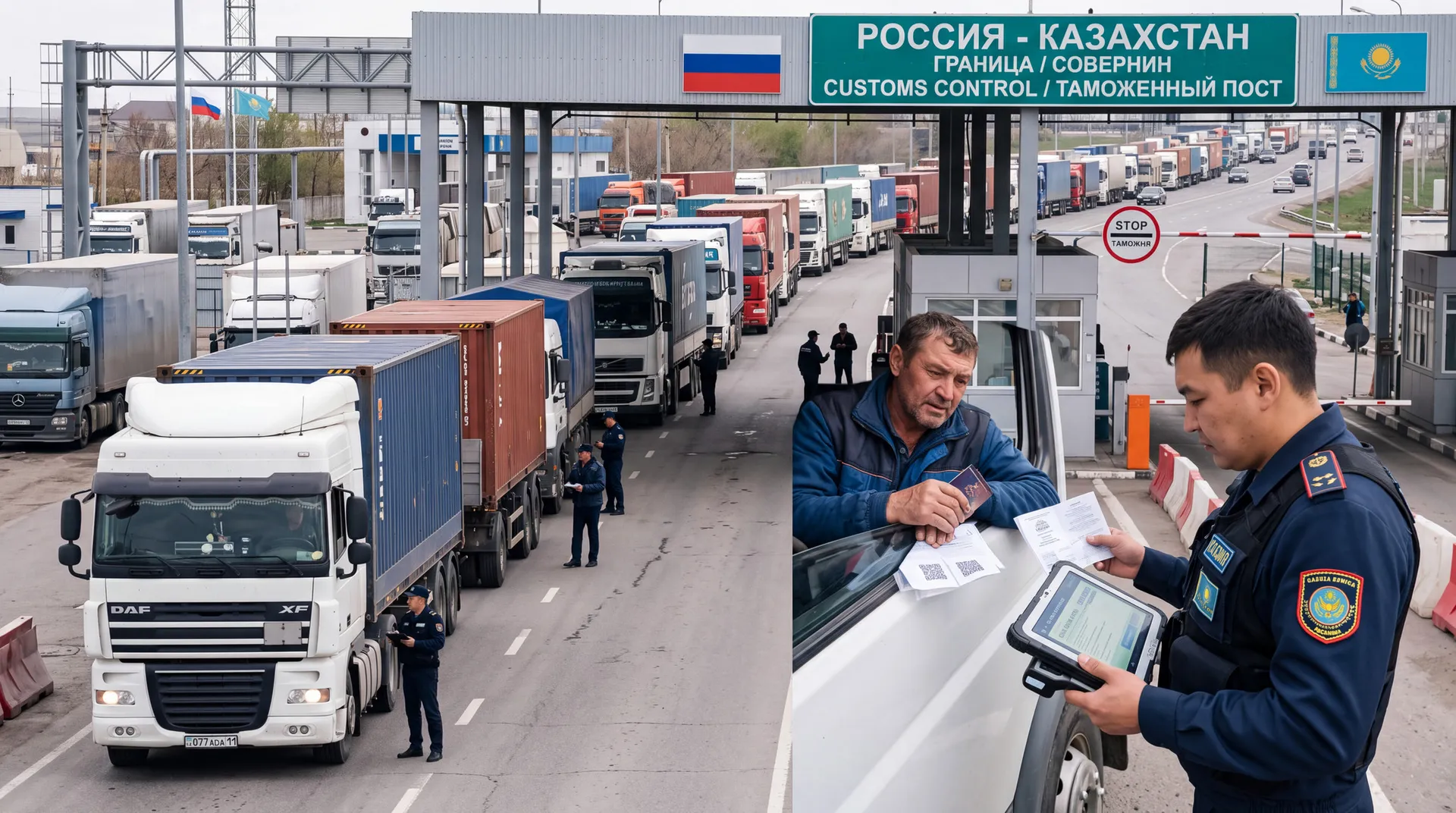
The mechanism of traceability of goods has been discussed in the EAEU since 2019 — the corresponding agreement was signed back then. In 2022-2025, the system operated in a pilot mode. Since September 1, 2026 — permanent operation.
The EEC Council made the final decision, completing the formation of the regulatory framework. The Minister for Integration of the EEC commented: "The introduction of a traceability mechanism on an ongoing basis is an additional brick in the foundation of trust between business and the state."
How traceability works
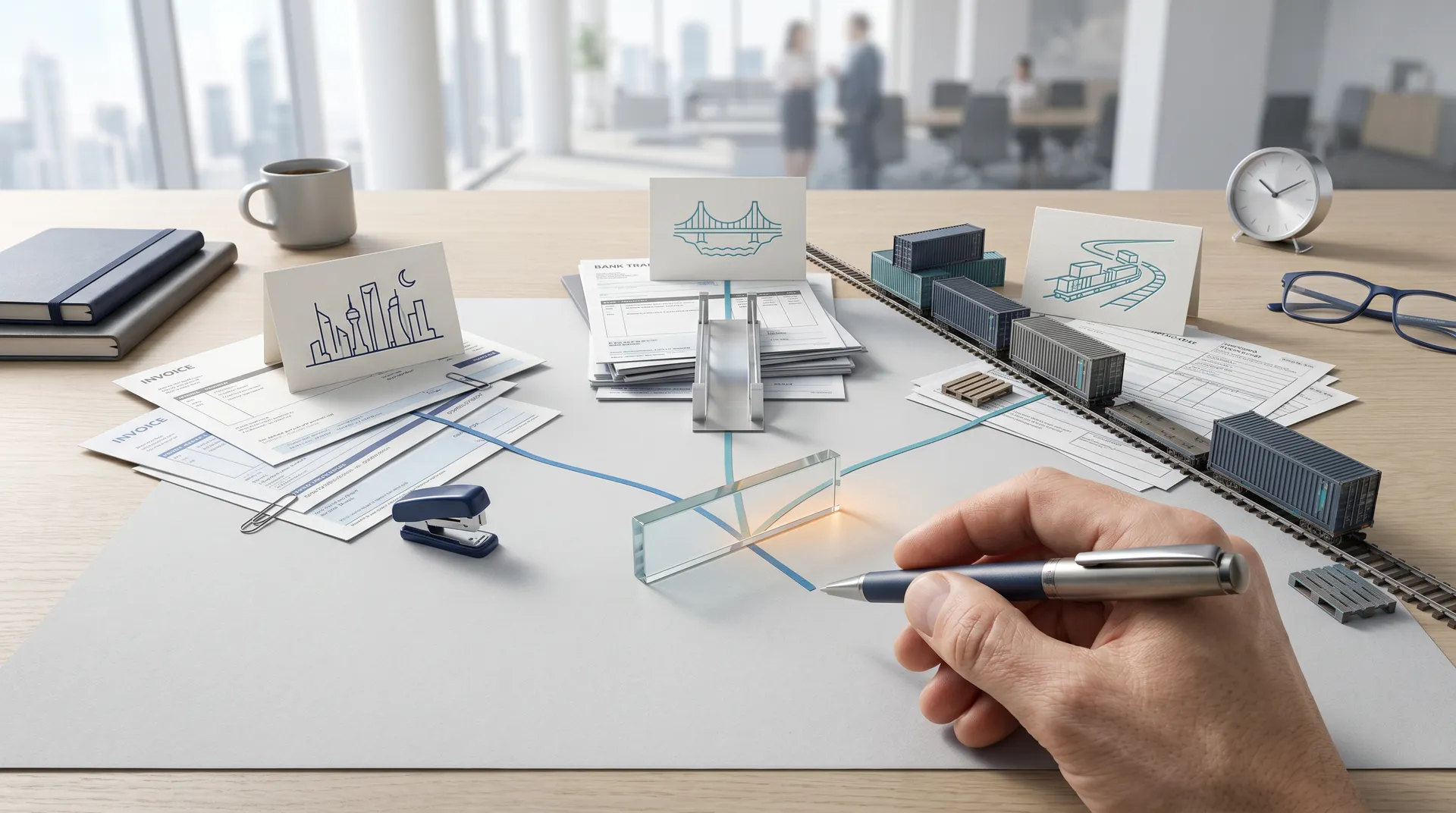
The logic of the system is similar to the "Fair Sign", but it works at the EAEU level. When goods are imported into the customs territory of the Union, the batch is assigned the RNPT — the registration number of the batch of goods. This number is recorded in shipping documents and transmitted between the participants in the turnover during each transaction.
The goal is to track where the foreign goods were cleared and make sure that there is no VAT evasion when they are moved between the EAEU countries. The problem that the system solves is that the goods are processed in the EAEU country with lower rates, and sold in another country without paying taxes according to local rules.
Who is affected by the first stage
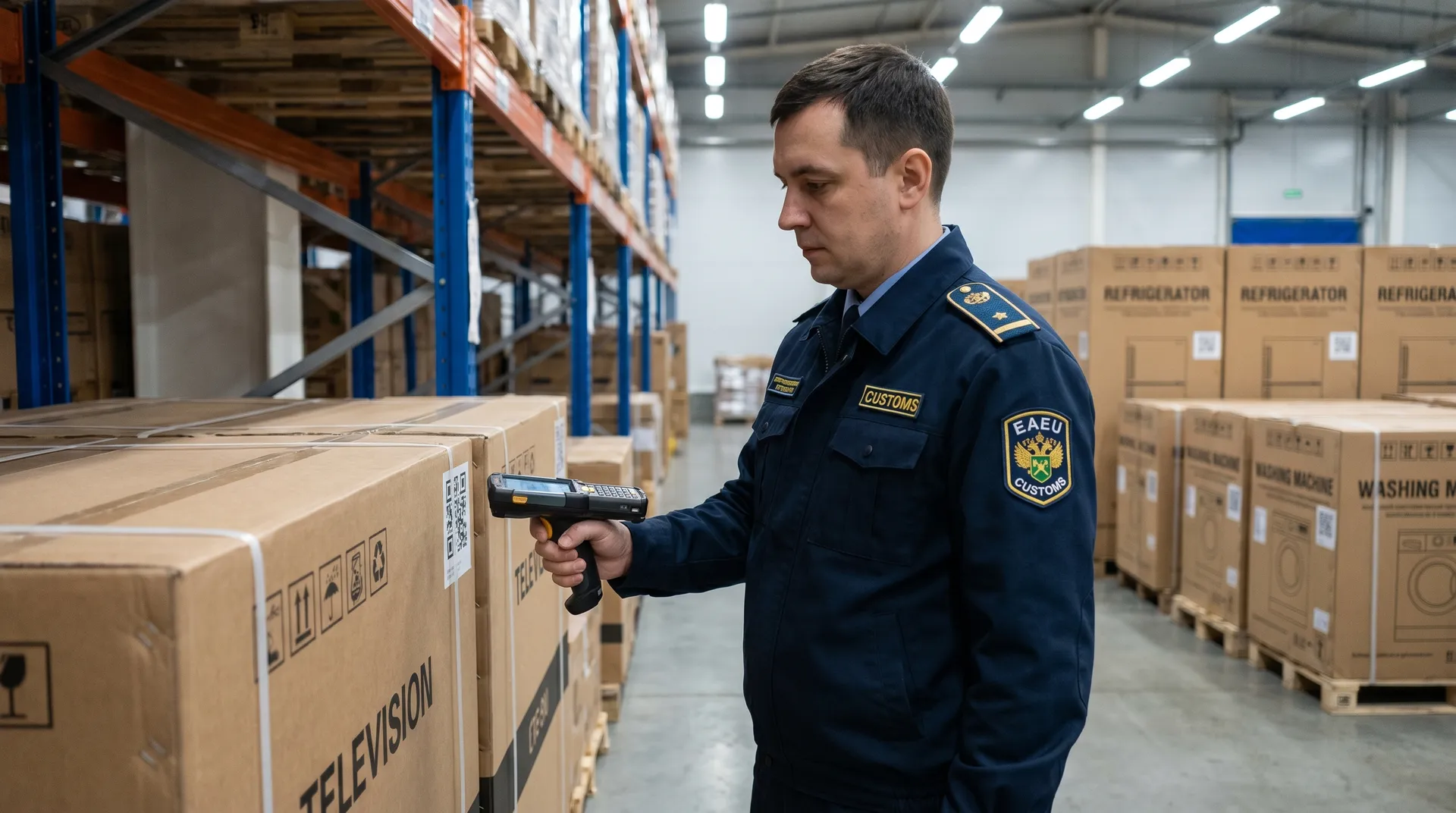
Three categories: — household refrigerators and freezers — 12 HS codes — household washing machines and laundries — 6 HS codes — reception equipment for television communication (televisions) — 16 HS codes
It was not by chance that these categories fell under the first stage: it is according to them that the largest number of schemes with underestimation of customs value and transfer between the EAEU countries have historically been recorded.
What do importers of household appliances need to do?
First, check whether your product items fall under the 34 HS codes of the first stage. The second is to make sure that the accounting system allows you to generate and transfer the RNPT in shipping documents. Third, check the chain: if the goods are imported through Kazakhstan or Belarus and then sold in Russia, the RNPT must accompany the goods at each stage.
For distributors and wholesalers working with household appliances within the EAEU: Starting from September 1, the transaction will be a violation without the RNPT in the documents. Prepare accounting systems and update the formats of contracts with suppliers and buyers.
What will happen next
The list of products subject to traceability will be expanded. Next up are other categories of household appliances, electronics, and possibly some industrial equipment. The logic of the regulator is clear: the successful launch of the first stage will give grounds for expansion.