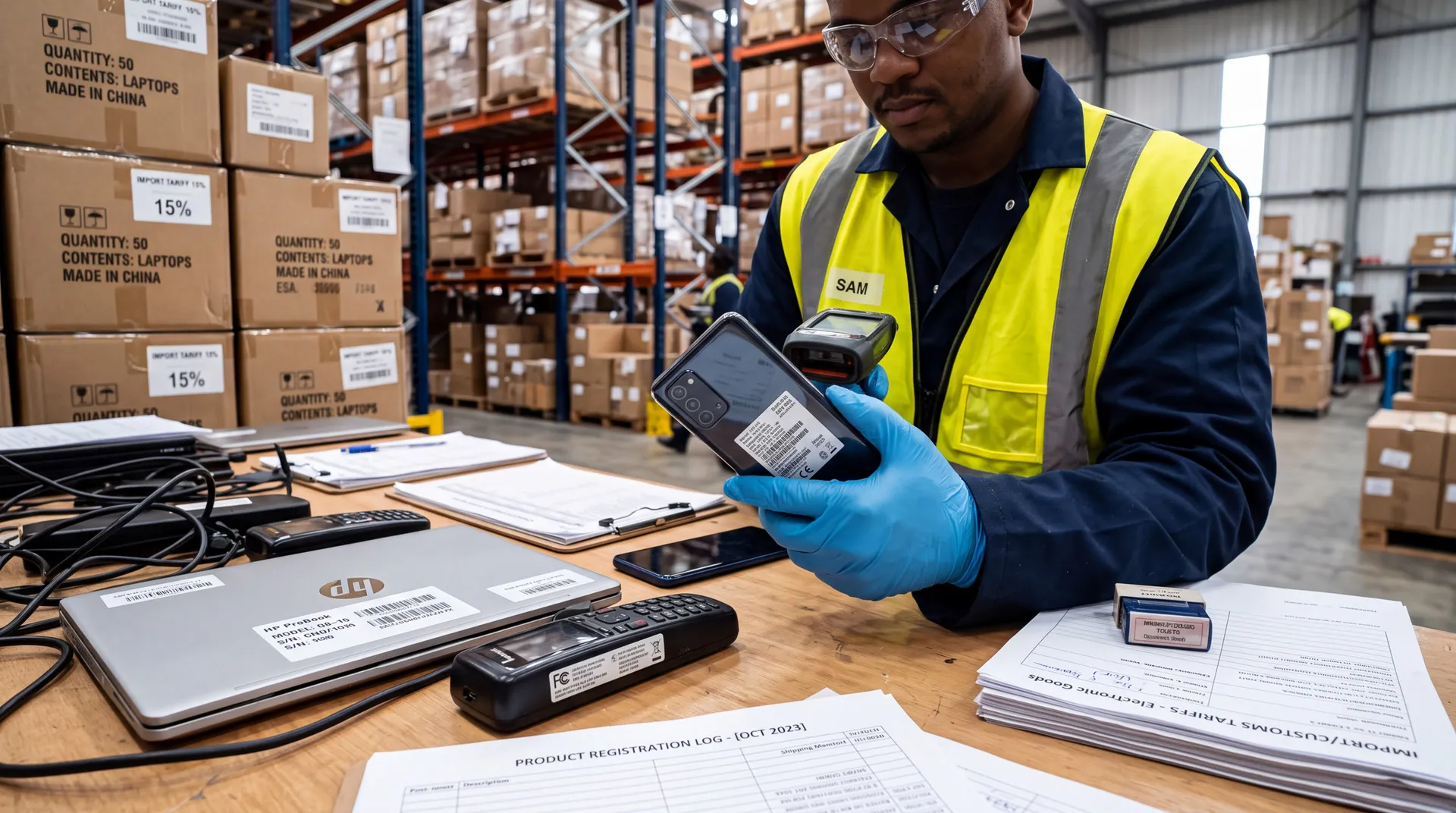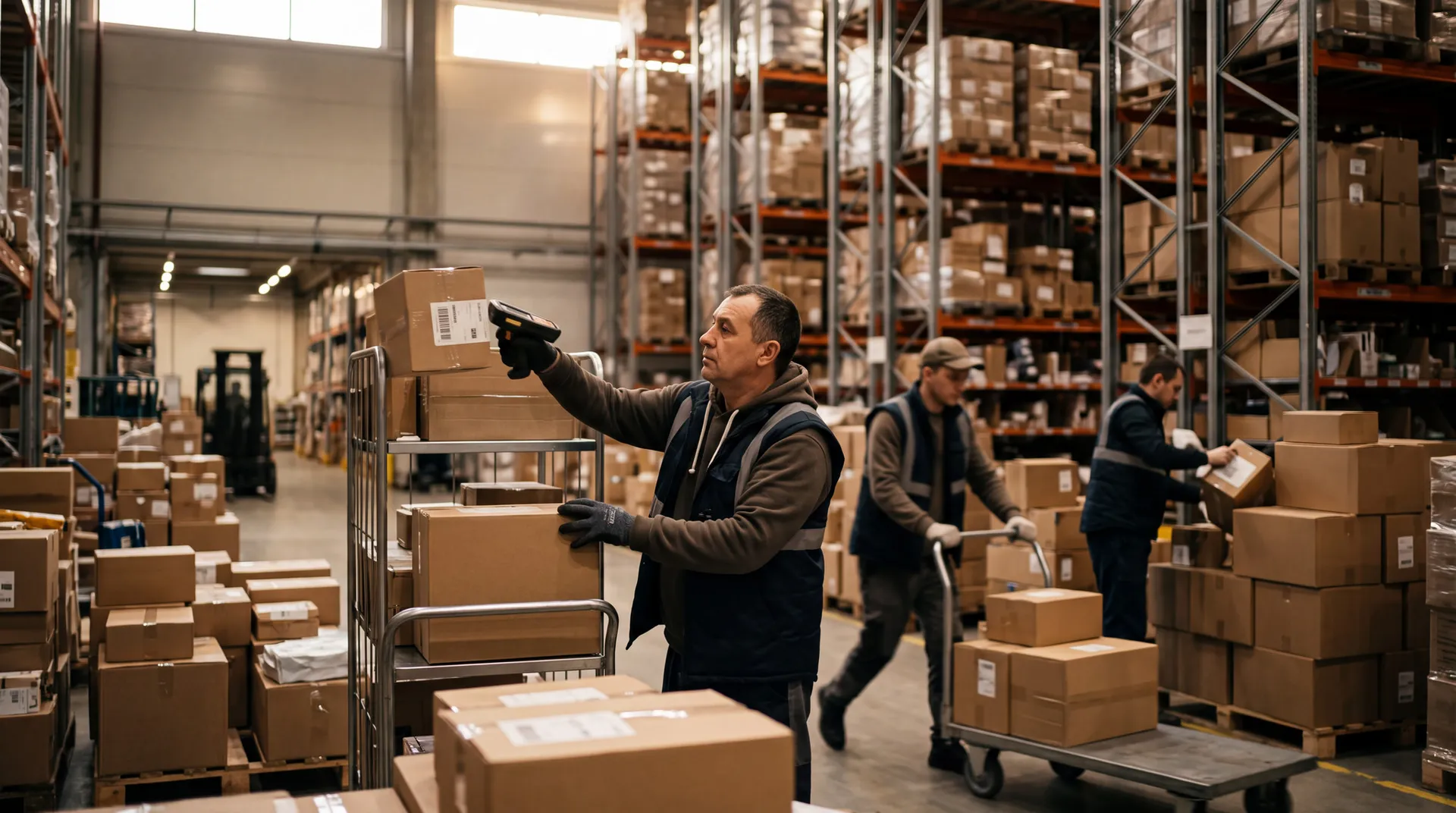




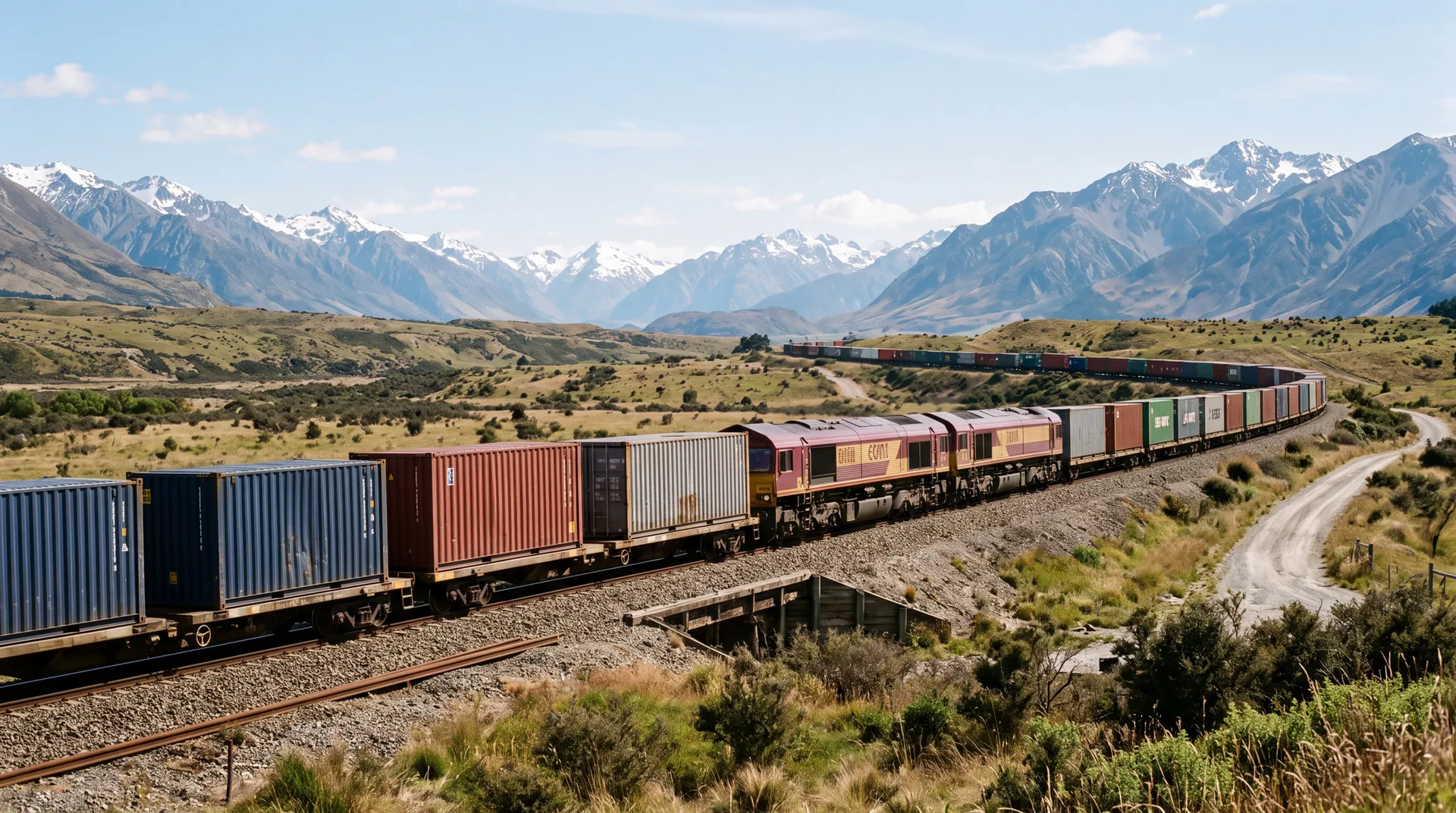
The work on the changes was announced by the Minister for Trade of the EEC Andrey Slepnev. According to him, the current mechanism involves transit states in the registration of trade between enterprises, and this is what is becoming a source of problems. Transit States are countries through whose territory the cargo travels from the sender to the recipient. Now their participation in the clearance adds an additional administrative layer to each duty-free delivery.
Slepnev outlined the direction of the changes: companies should be able to supply duty-free goods to each other without this intermediate link. In other words, the formalities related to the transit section of the route are planned to be reduced or completely eliminated.
For importers and exporters working with partners through third countries, simplification can reduce clearance time and administrative costs. This is especially true for supplies within the EAEU and trade with partners whose routes pass through several jurisdictions. There are no specific estimates of savings or time reduction in the application.
It is important to understand the scale of the changes: the statement describes the direction of work, not the rules introduced. The new regulations have not entered into force, the list of affected countries and goods has not been published, and the composition of the documents has not been determined. The details of any decision taken are also missing from the message.
What exactly will change in the practice of arranging deliveries will become clear after the EEC reveals the parameters of the mechanism. Up to this point, the current procedure remains in full effect, and supply participants should follow it when planning routes and preparing documents.