A busy exhibition season begins in China in March — the best period for those who work in foreign economic activity and procurement “in the field”: to look for manufacturers, compare equipment, negotiate pilot batches and build a supply chain for the year ahead.
Key exhibitions in the coming months (current dates for 2026):
- East China Fair (ECF) — Shanghai, March 1-4.
- SIGN CHINA 2026 (Shenzhen) — Shenzhen, March 1-3.
- Sino-Pack — Guangzhou, March 4-6.
- Sino-Label Expo — Guangzhou, March 4-6.
- Global New E-Commerce Expo — Hangzhou, March 8-10.
- Canton Fair (1st session) — Guangzhou, April 15-19.
- CHINAPLAS — Shanghai, April 21-24.
Important: a number of calendars indicate the China Lab exhibition in 2026 not in March, but on April 9-11 in Guangzhou — this should be double-checked before booking.
Expert analysis: why “the exhibition is the entry point”, and the result is made by the system
The wrong logic is to fly in, collect business cards and wait for contracts. The working logic is to use the exhibition as a quick filter and launch a funnel, where further checks and logistics are included.
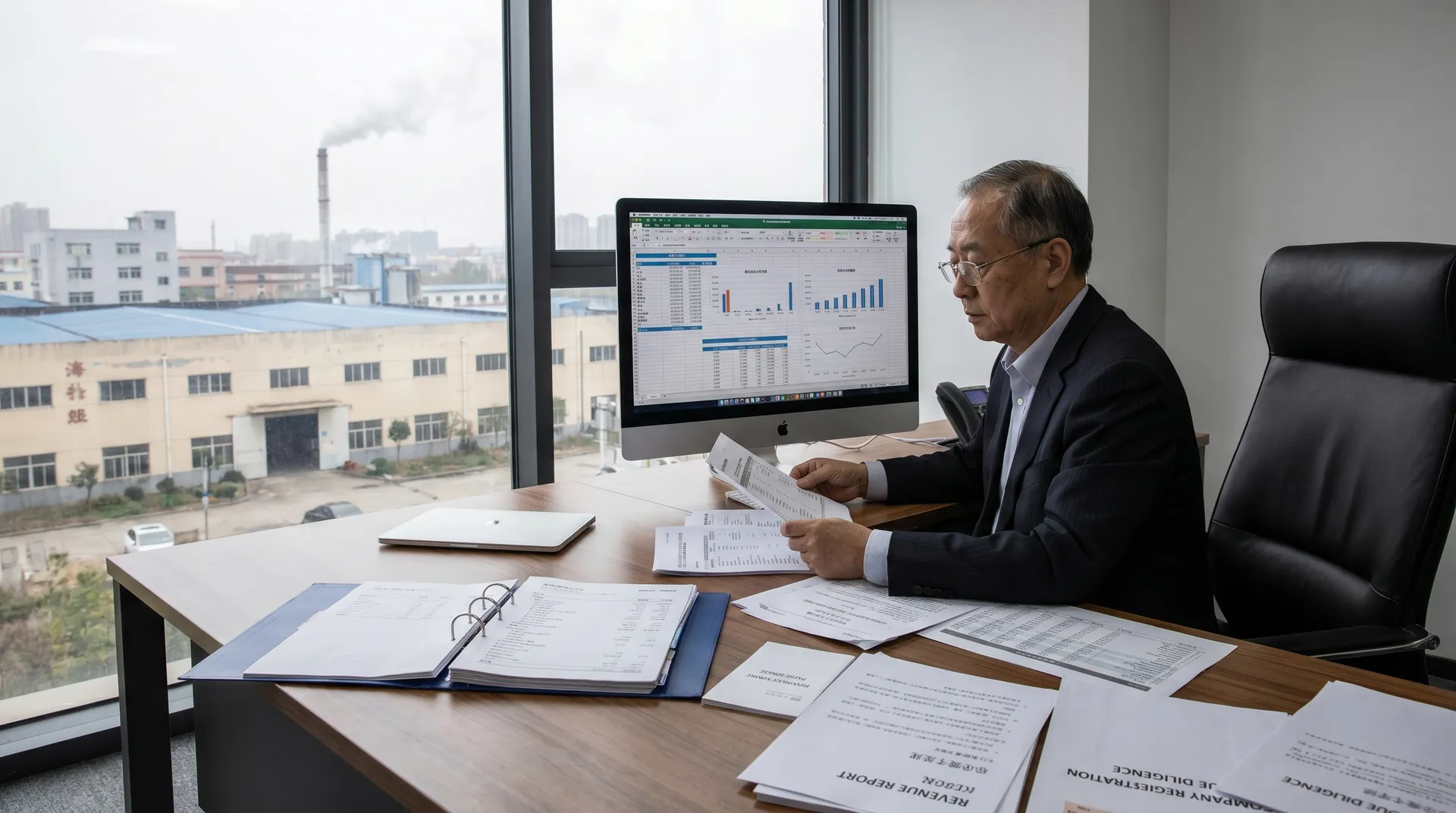
- Supplier's qualifications. It is easy to “fall in love” with the presentation at the stand, but the contract is signed after verification: company registration data, export experience, references, production facilities, stability of raw materials and subcontracts.
- Technical outline and market compliance. Not only the characteristics of the product are important, but also the documents: composition, labeling, certification requirements, packaging, instructions, warranty obligations. For equipment — completeness, service, consumables, training, spare parts.
- The contract and the terms of delivery. At the exhibition, it is better to immediately fix the basic parameters: minimum batch, production time, Incoterms options, payment terms, liability for defects, and the procedure for complaints. And at the same time, we can count logistics: packaging coefficient, density in a container, storage requirements, and seasonal rates.
- The plan after the exhibition. The most reliable scenario: 10-15 contacts → 3-5 factories on the shortlist → Request for samples and specifications → audit/inspection before shipment → pilot batch → scaling. It is this sequence that transforms the “supplier search” into a managed supply chain.
What does this mean for business in 2026
Spring is the optimal time to lay projects for the year ahead, because you have time.:
- collect offers before peak loads,
- test samples and packaging,
- to coordinate the terms with the supplier,
- build a route and understand the real cost “to the warehouse".
Bottom line: exhibitions in March and April are not just a trip to “see new products.” This is an opportunity to form a pool of suppliers in one season, close weaknesses in compliance and logistics, and achieve stable supplies without surprises in terms of deadlines and documents.