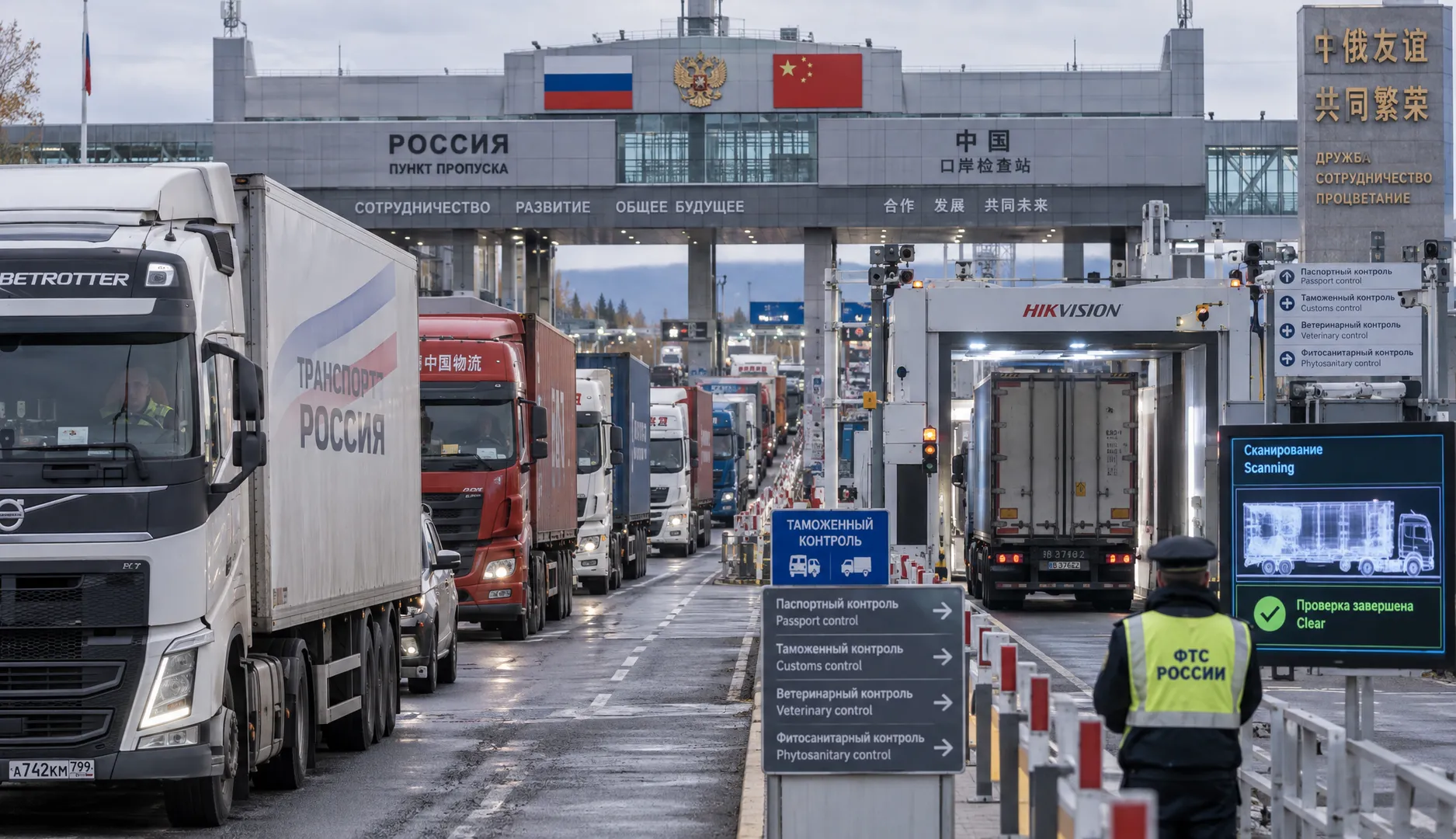
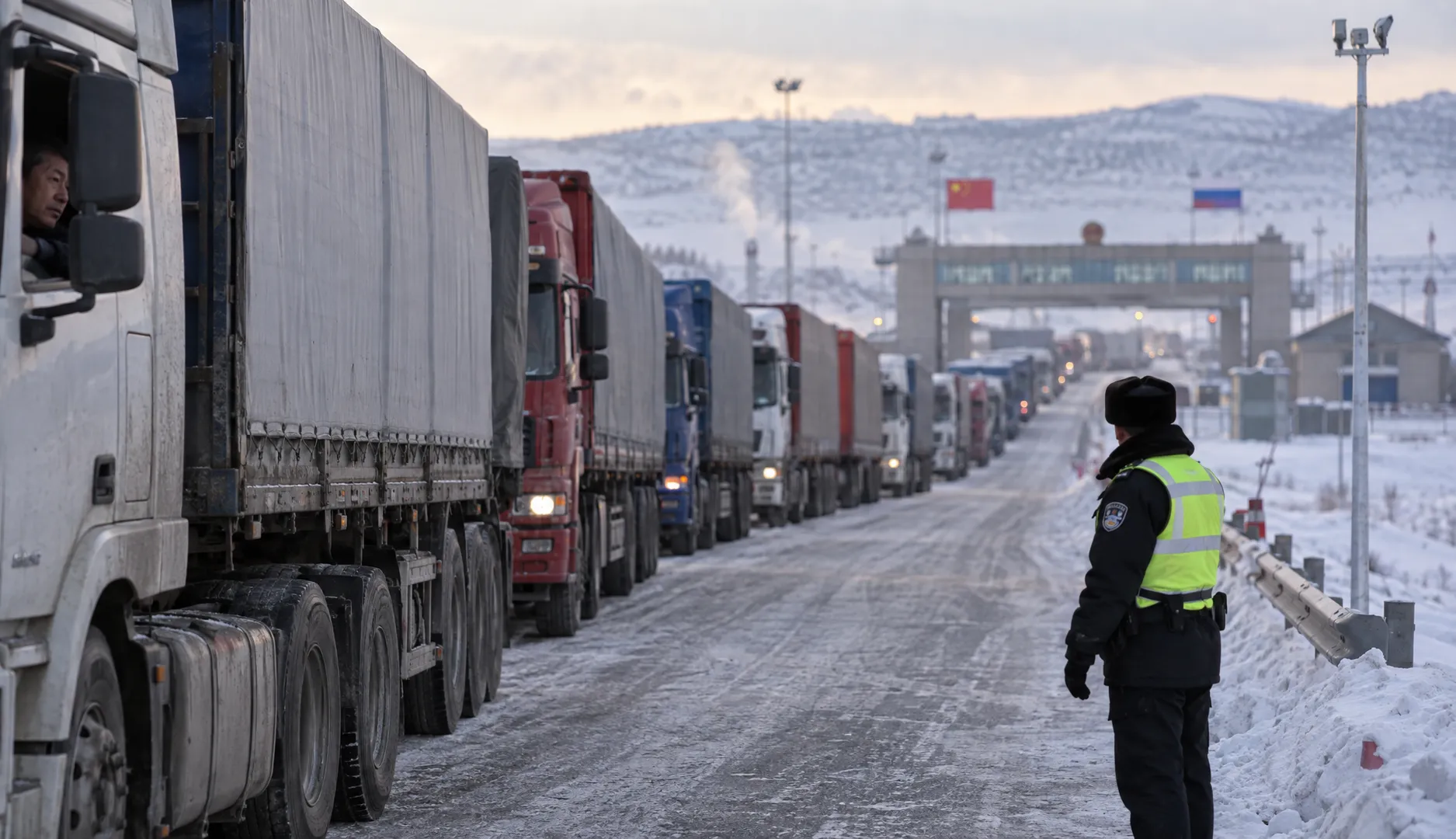
The Federal Customs Service and the Ministry of Emergency Situations are strengthening control over the import of fire-fighting products

The agreement was signed by the head of the Ministry of Emergency Situations, Alexander Kurenkov, and the head of the Federal Customs Service, Valery Pikalev. The document develops the basic agreement on cooperation between the departments, concluded in 2023.
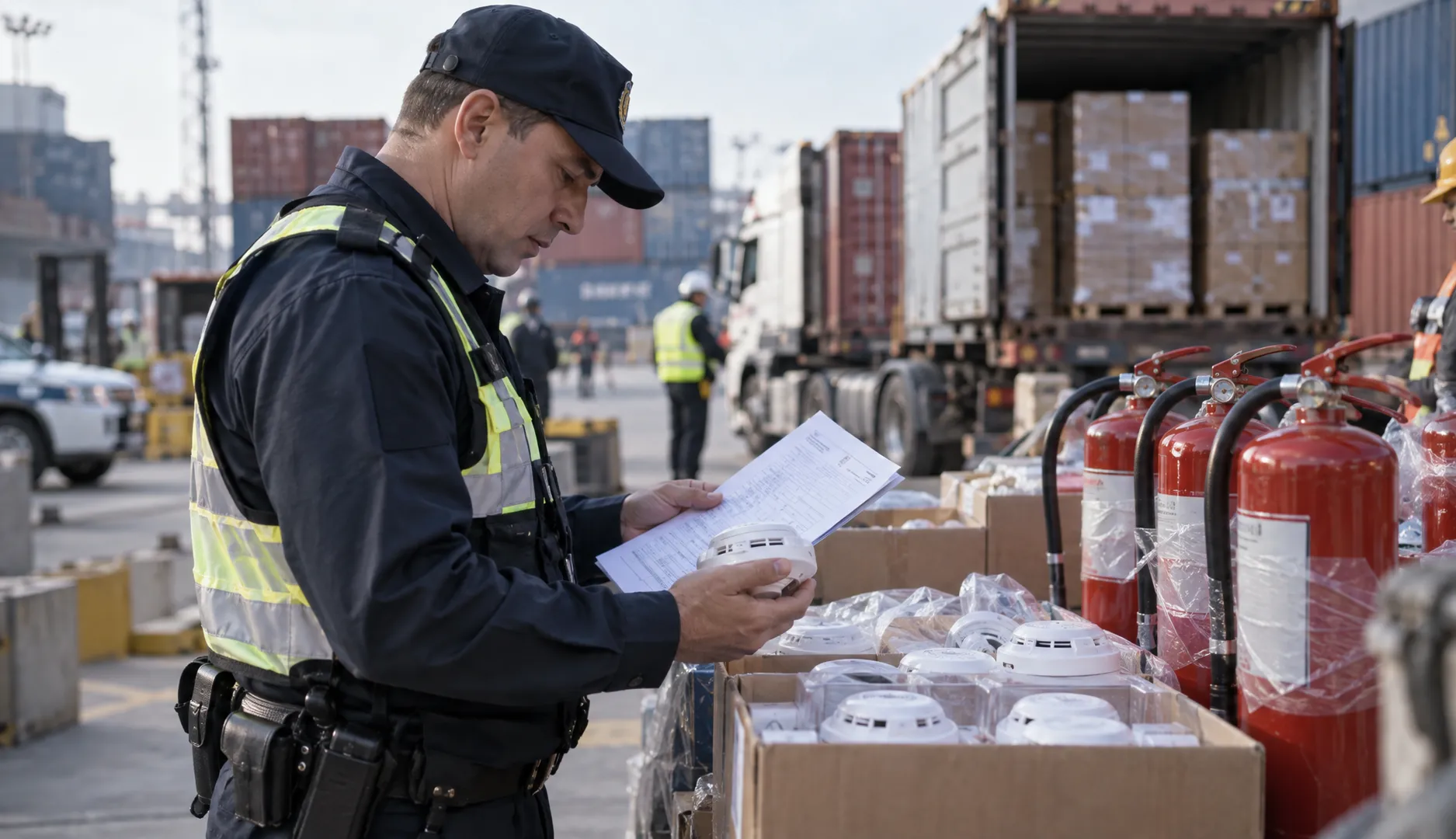
According to the agreements, the Ministry of Emergency Situations assumes control over compliance with prohibitions and restrictions, including technical regulation measures, when moving goods across the customs border of the EAEU. The agencies also agreed to exchange information during inspections, both at the stage of importation and during the circulation of products on the domestic market.
Valery Pikalev said that the customs service checks compliance documents for more than 60% of all imported products, and a significant part of such goods belong to the sphere of activity of the Ministry of Emergency Situations. The head of the Federal Customs Service called the joint work of the departments a tool for ensuring economic security, protecting the life and health of citizens.
Alexander Kurenkov linked the implementation of the agreement with reducing the risk of fires: increased control will limit the supply of counterfeit and low-quality products that do not meet fire safety requirements.
For importers working with fire-fighting products, the agreement means an increased likelihood of in-depth checks of compliance documents directly at customs. The Ministry of Emergency Situations receives a tool to promptly identify nonconforming products even before they enter the domestic market, and not only during subsequent inspections. The expansion of information exchange between agencies increases the risks for suppliers using an incomplete set of permits or certificates that raise doubts about authenticity.
Importers who import fire extinguishers, fire detectors, personal protective equipment and other products subject to technical regulations in the field of fire safety should make sure in advance that the certificates of conformity and declarations are up-to-date, as well as that they are correctly reflected in customs declarations.
Related news:
- It is proposed to double fines for fire safety violations — the bill on doubling fines for fire safety violations
- The EAEU tightens control over certification: the register will be updated in 2027 — how the EAEU is fighting the falsification of certificates and declarations
- Rosaccreditation has updated the methodology for evaluating ISI providers — what has changed in the evaluation of interlaboratory test providers
- The list of certification exceptions has been extended until September 2027 — which products are not subject to certification simplifications
- Import label requirements: what is written in the law and how it ignores the market — what labeling and labeling requirements apply to imports