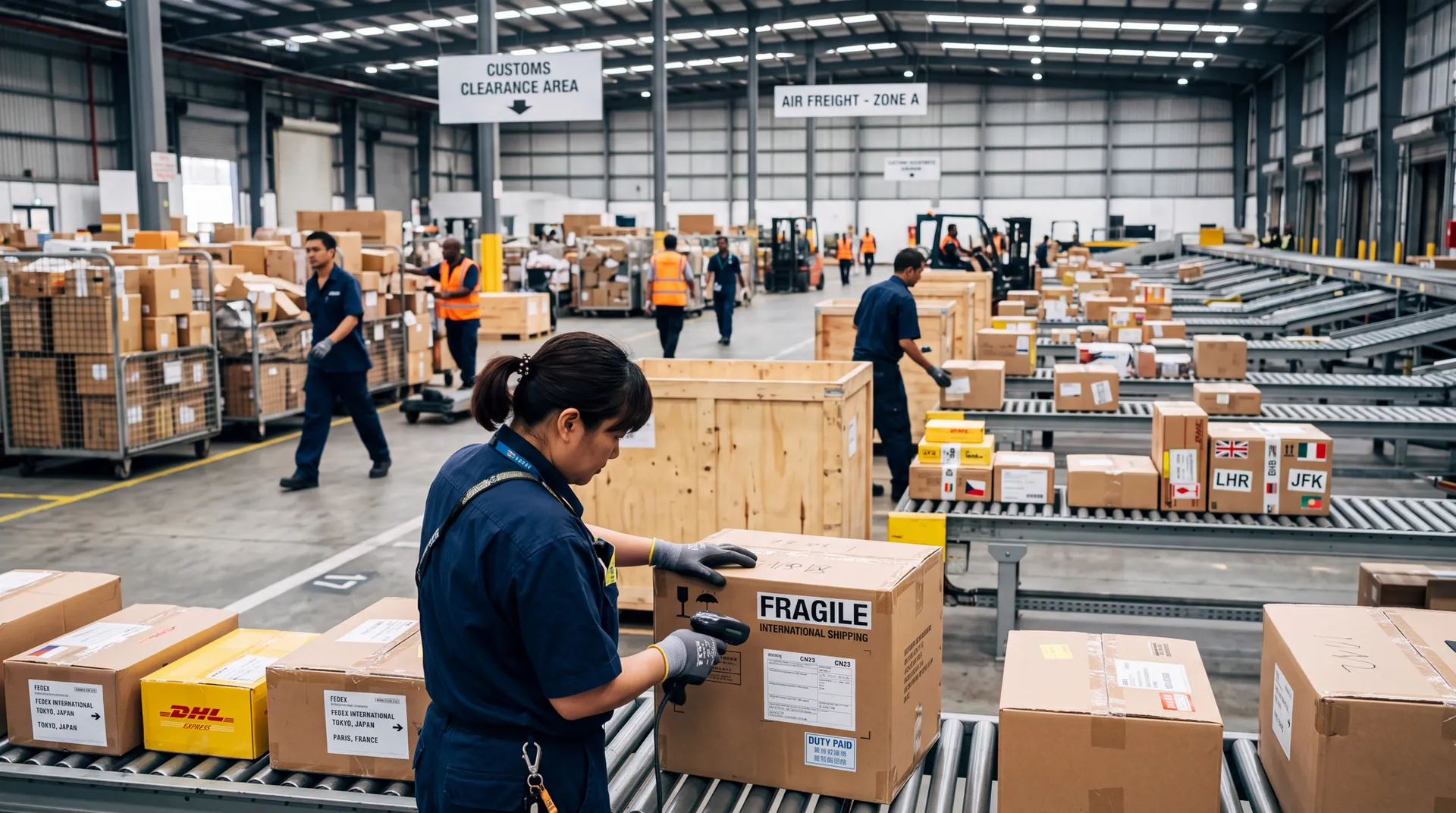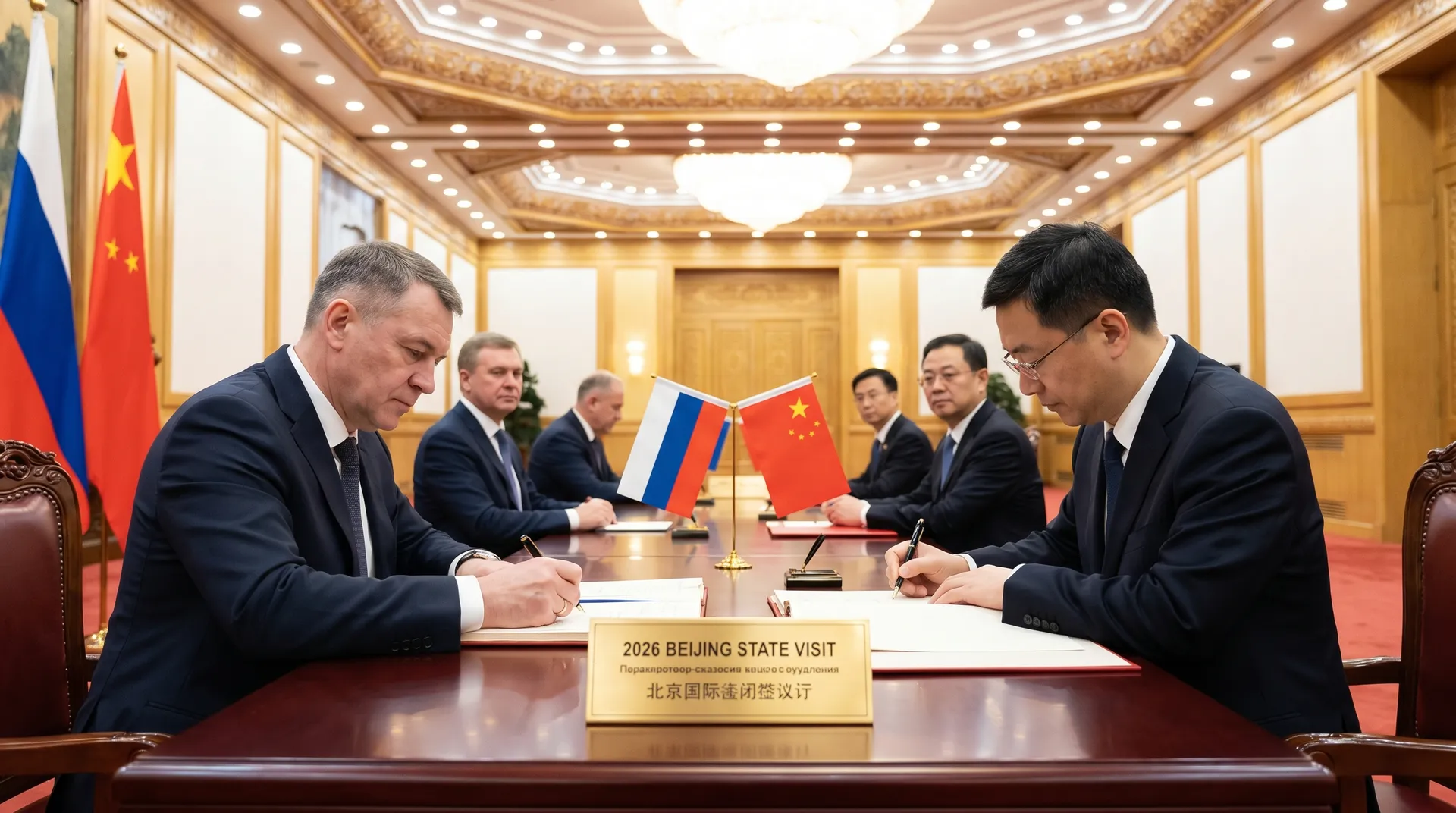
Valery Pikalyov joined the Russian delegation in Beijing — and this is not a protocol gesture. The presence of the head of the Federal Customs Service at the signing of 42 documents meant a specific work agenda: bilateral customs agreements that directly affect the speed and cost of cargo clearance between the countries.
What was signed
The memorandum between the Federal Customs Service of Russia and the General Customs Administration of the People's Republic of China is dedicated to cooperation in the field of education and training. This sounds like something abstract, but there is a specific logic behind it: the unification of approaches to customs control reduces the number of controversial situations when crossing the border. When a Russian and a Chinese inspector have received the same training and work according to similar standards, there are fewer discrepancies in documents, and the release of goods is faster.
Additionally, the parties discussed simplification of procedures for priority categories of goods. Details were not disclosed, but in the context of a 14.8% increase in trade turnover in the first quarter and a 22.1% increase in imports from China, we are obviously talking about a flow that requires accelerated processing.
Context: how Russian-Chinese customs cooperation works
Russia and China are working on a system of "green corridors" for certain categories of cargo — this is an expedited clearance for participants with a good history of compliance with customs legislation. Expanding the list of participants and categories of products covered by the green corridor is one of the tools that is regularly discussed.
A separate topic is mutual recognition of the status of an authorized economic operator (AEO). In the EAEU, the AEO gives significant privileges during registration. If Russia and China come to mutual recognition, Russian AEO will be able to import Chinese goods with simplified procedures, and vice versa.
What does this mean for business?
Right now, nothing is changing. The Memorandum on personnel training is a medium—term document. But combined with an increase in trade turnover, 100% ruble-yuan settlements and the signing of a total package of 42 documents, this is part of a systematic effort to reduce transaction costs in Russian-Chinese trade.
For companies seeking AEO status in Russia: the moment is right. Privileges are growing, and the prospect of mutual recognition with the Chinese side adds long-term value to the status.