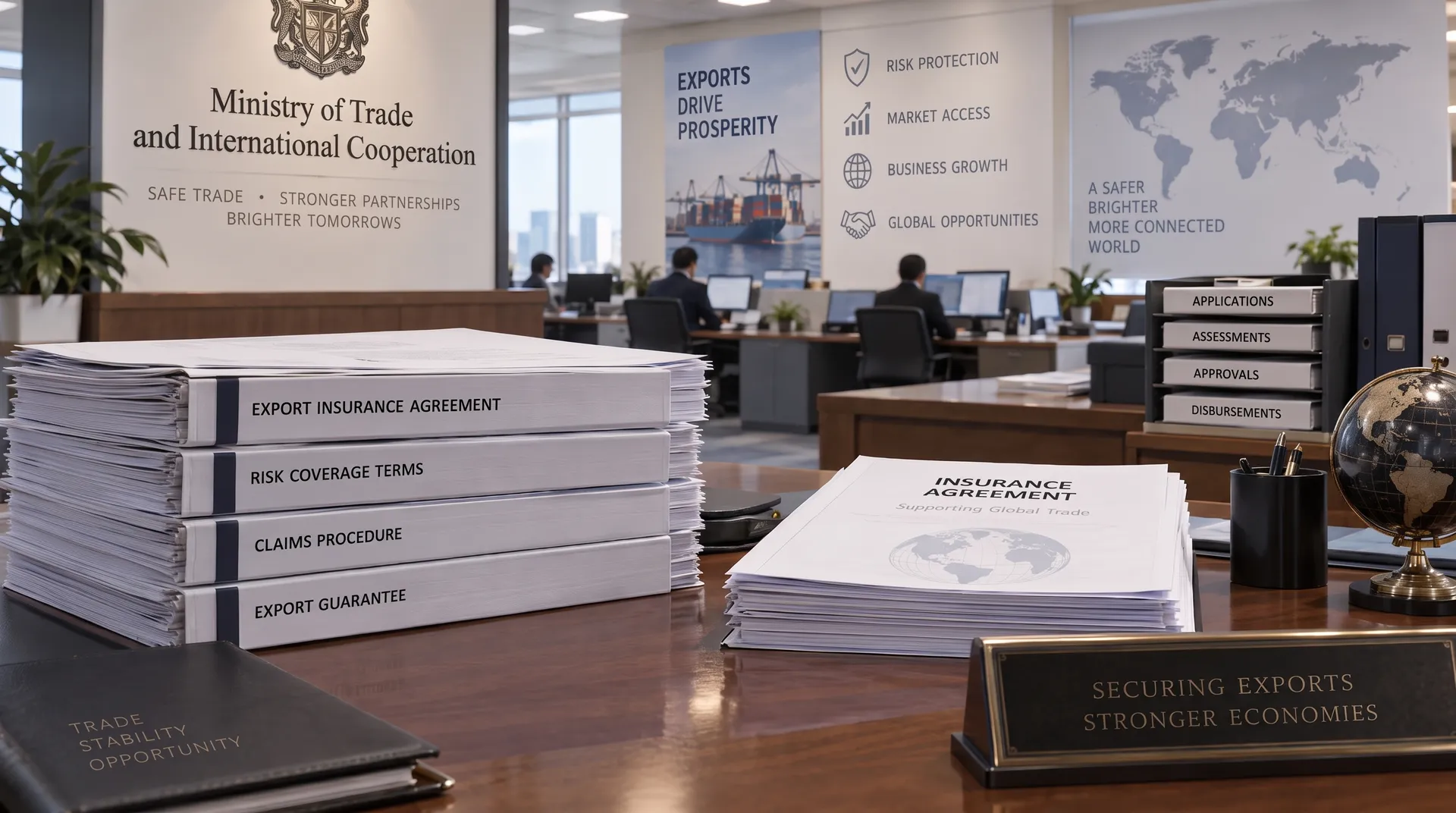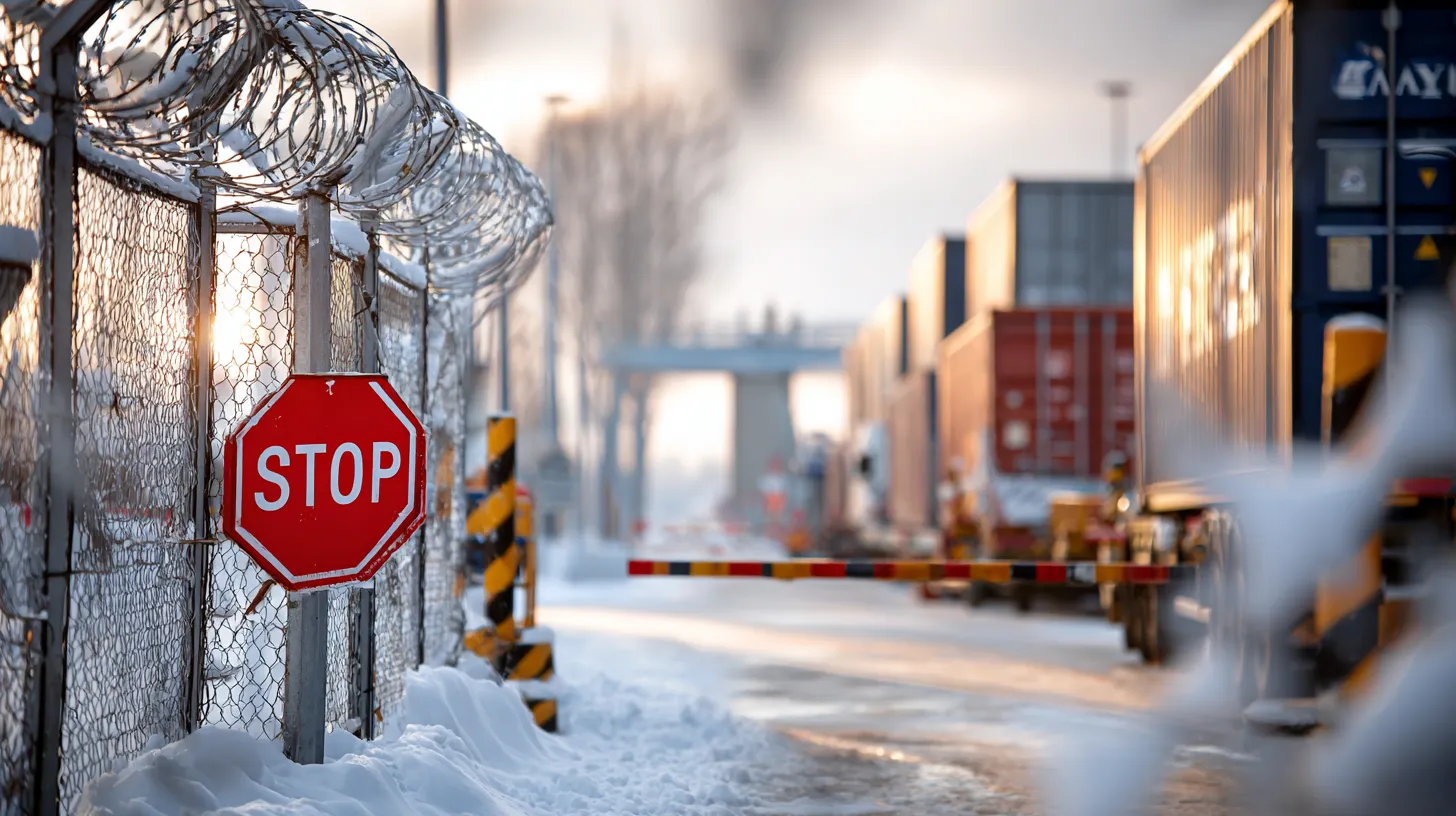
Global trade is going through a difficult period: a series of shocks — pandemics, conflicts, protectionism — are gradually transforming global supply chains. In the reports of the Expert RA agency at the webinar on trade challenges, an alarming question was raised: is traditional international trade dying?
Since the early 2020s, production layoffs, port closures, and logistics disruptions have disrupted stable routes and forced the search for alternatives. For example, the container ship accident in the Suez Canal, the drought in the Panama Canal, as well as military conflicts in the Red Sea and other factors forced carriers to deviate from their usual routes, increasing the time and cost of delivery.
In 2021-2022, when many restrictions were lifted, the global trade turnover showed rapid growth. But already in 2023-2024, growth slowed down: sanctions, trade wars, and geopolitical risks began to make themselves felt. In 2025, the market is trying to recover, but on new terms. At the same time, the share of e—commerce is growing - it is growing faster than classical commodity channels.
Under these conditions, Russia is reconfiguring trade relations. Imports from China have increased, while trade with the EU has declined. Entering the markets of Asia, India and the Middle East has become key.
But what is especially worrying is that trade statistics are increasingly losing transparency. Russia has become a "black box", and analysts are forced to look at mirror data from other countries or indirekt methods for tracing ships and supplies.
Another trend is the dispersion of logistics through many intermediaries and "laying", especially when direct routes are burdened with duties or sanctions. Currency schemes have changed: many transactions go through agents, and the link between foreign trade and the foreign exchange market is blurring.
Nevertheless, experts do not consider trading to be dying. They're sure: it's just being reformatted. The ways are to create new blocks, digitalize procedures, and diversify chains. The old routes won't disappear, but their weight will decrease.