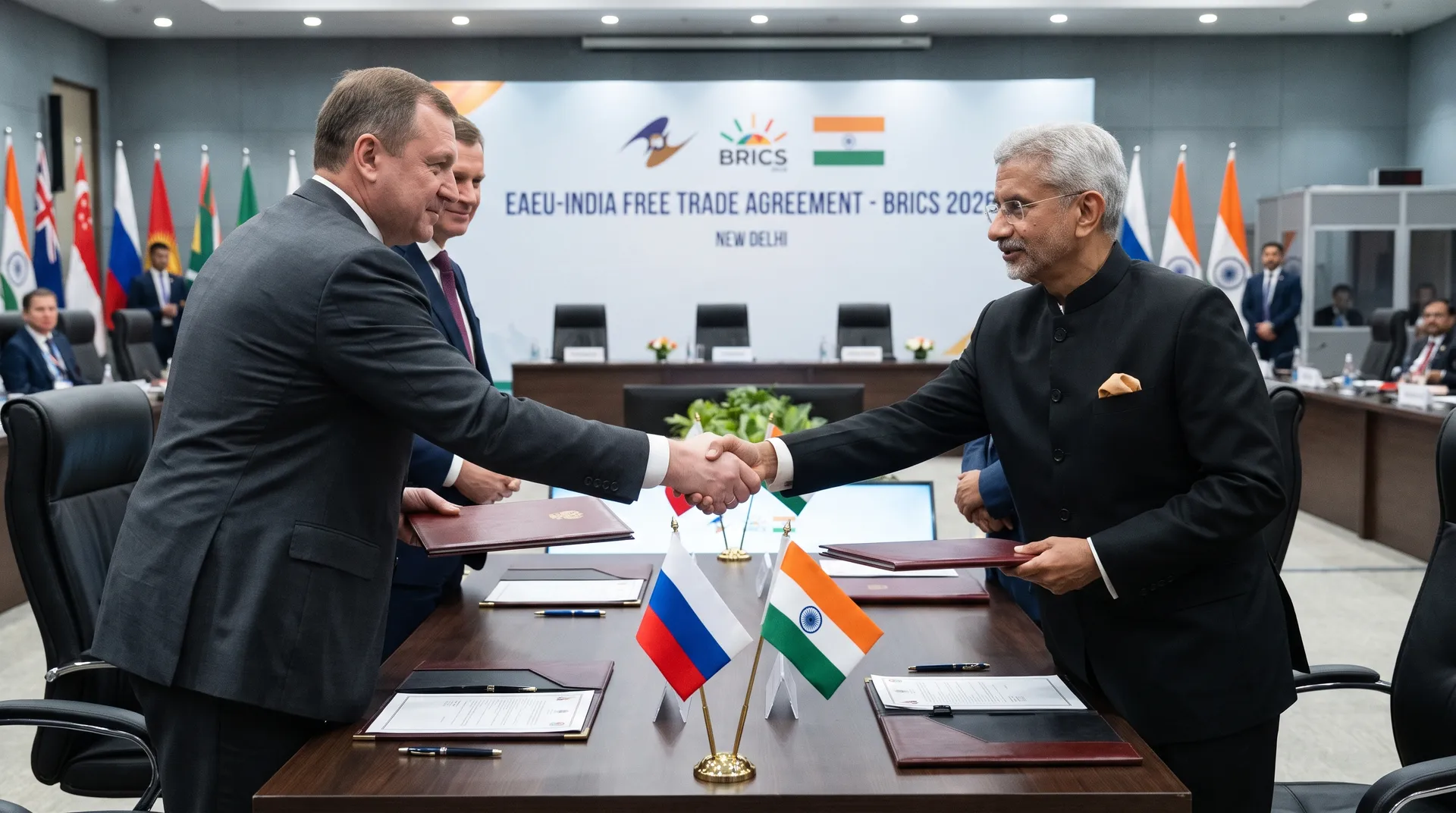
Negotiations on a free trade zone between the EAEU and India have been underway since 2017. Over the past nine years, the parties have gone through several rounds of intensification and deceleration. In 2026, several factors coincided, which for the first time created a real window for completing negotiations.
Three factors that accelerated the negotiations in 2026
- First: US duties of 50% on a wide range of Indian goods. For New Delhi, this is a direct economic incentive to diversify trade partnerships. The FTA with the EAEU creates an alternative market for Indian exporters and a preferential supply channel for Indian imports.
- The second is the Hormuz crisis of 2026. Four months of instability on Middle Eastern routes have shown India, the largest oil importer through Hormuz, that diversifying partnerships is more important than short—term price optimization. According to this logic, Russia is a reliable supplier, independent of the Hormuz route.
- Third: the political context of the BRICS autumn summit. India is hosting the summit, which is a politically convenient moment for New Delhi to announce the success of the FTA on its own site. This is a signal to the Global South about India's ability to build an independent trading architecture.
What does the FTA mean for Russian exporters?
Reduction or zeroing of import duties on goods of Russian origin when shipped to India. The basic Indian duties on manufactured goods are 7-20%, higher for certain categories. The preferential FTA rate is a direct reduction in the cost of delivery.
The key categories with export potential under the FTA are fertilizers (already exported, the FTA will improve conditions), highly processed metallurgical products, chemical products, industrial equipment, pharmaceutical substances.
What is a CT-2 certificate and why prepare it in advance?
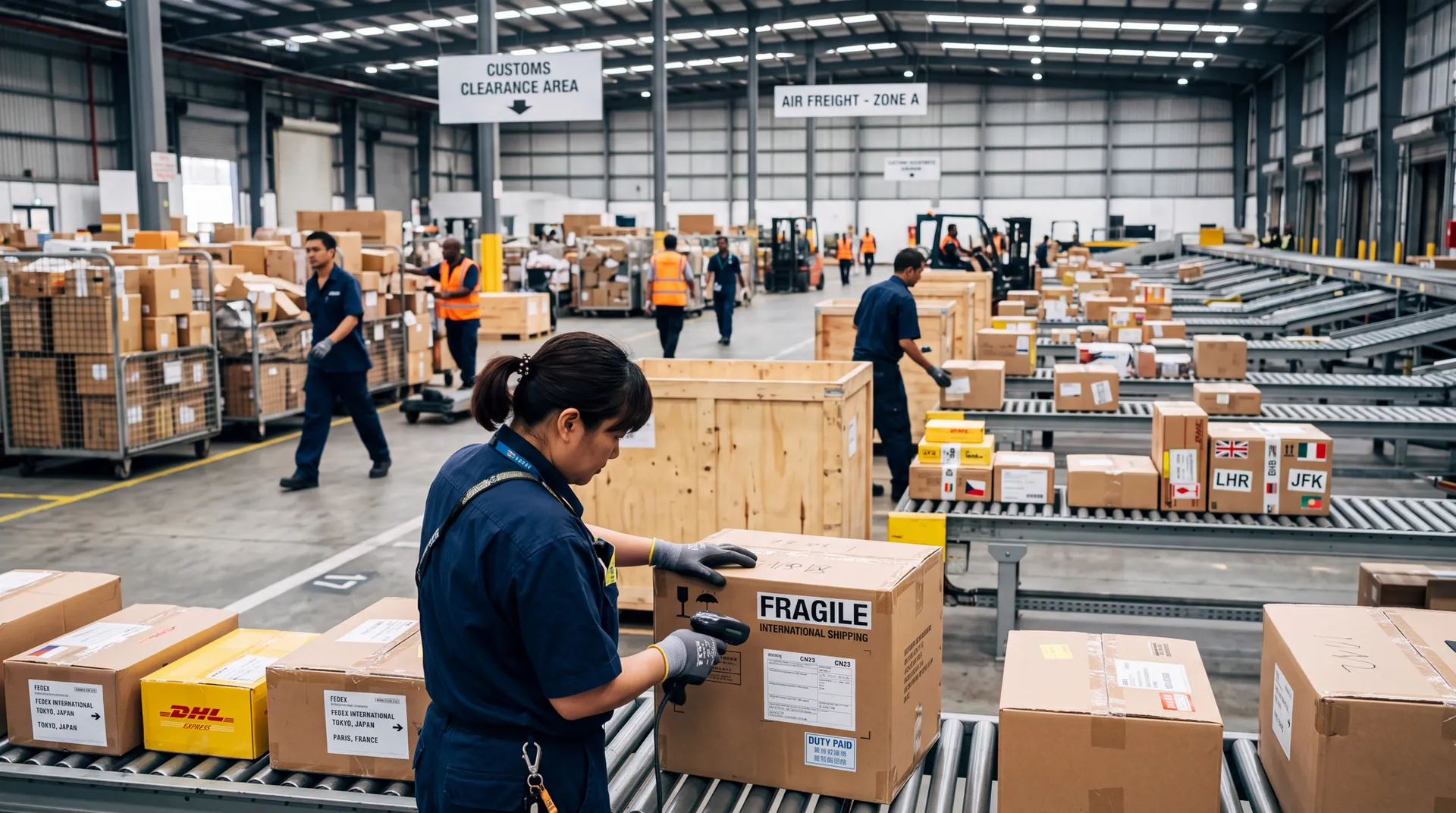
The Certificate of origin of the ST-2 form is a document certifying the origin of goods from a specific EAEU country. Upon signing the EAEU–India FTA, it will become mandatory to receive a preferential duty rate on importation to India.
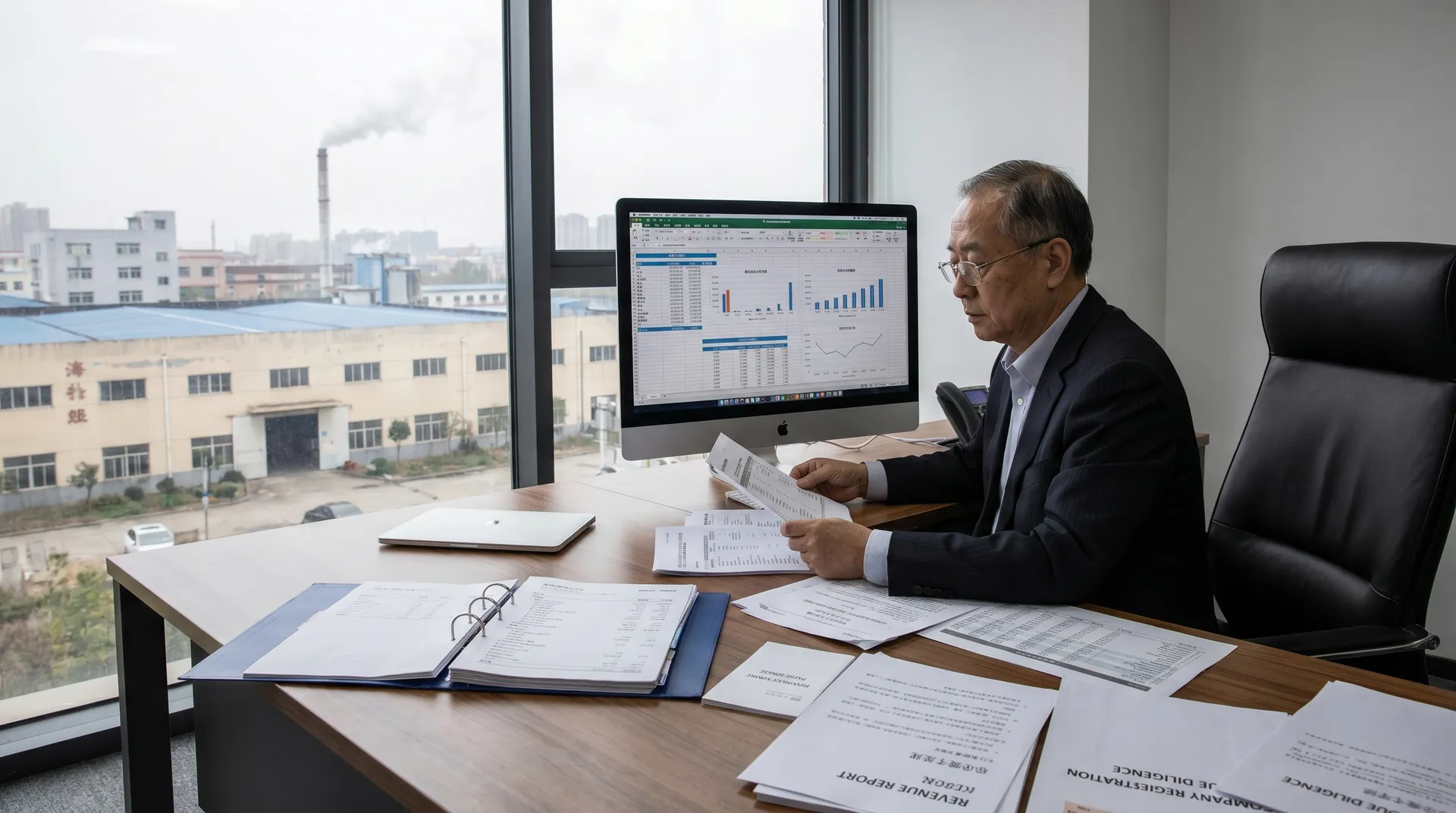
It is issued by chambers of Commerce and industry and authorized bodies at the request of the exporter. To obtain it, documentary evidence of the production or substantial processing of goods in the EAEU country is required.
Companies that have built up the process of documenting the origin and receipt of CT-2 in advance will enter the market without delay when signing the FTA. Those who start preparing after the announcement will lose 3-6 months on procedures.