From words to deeds: at the Russia—China: Media Partnership session, Deliver-2 proposed joining forces
The problem we started with
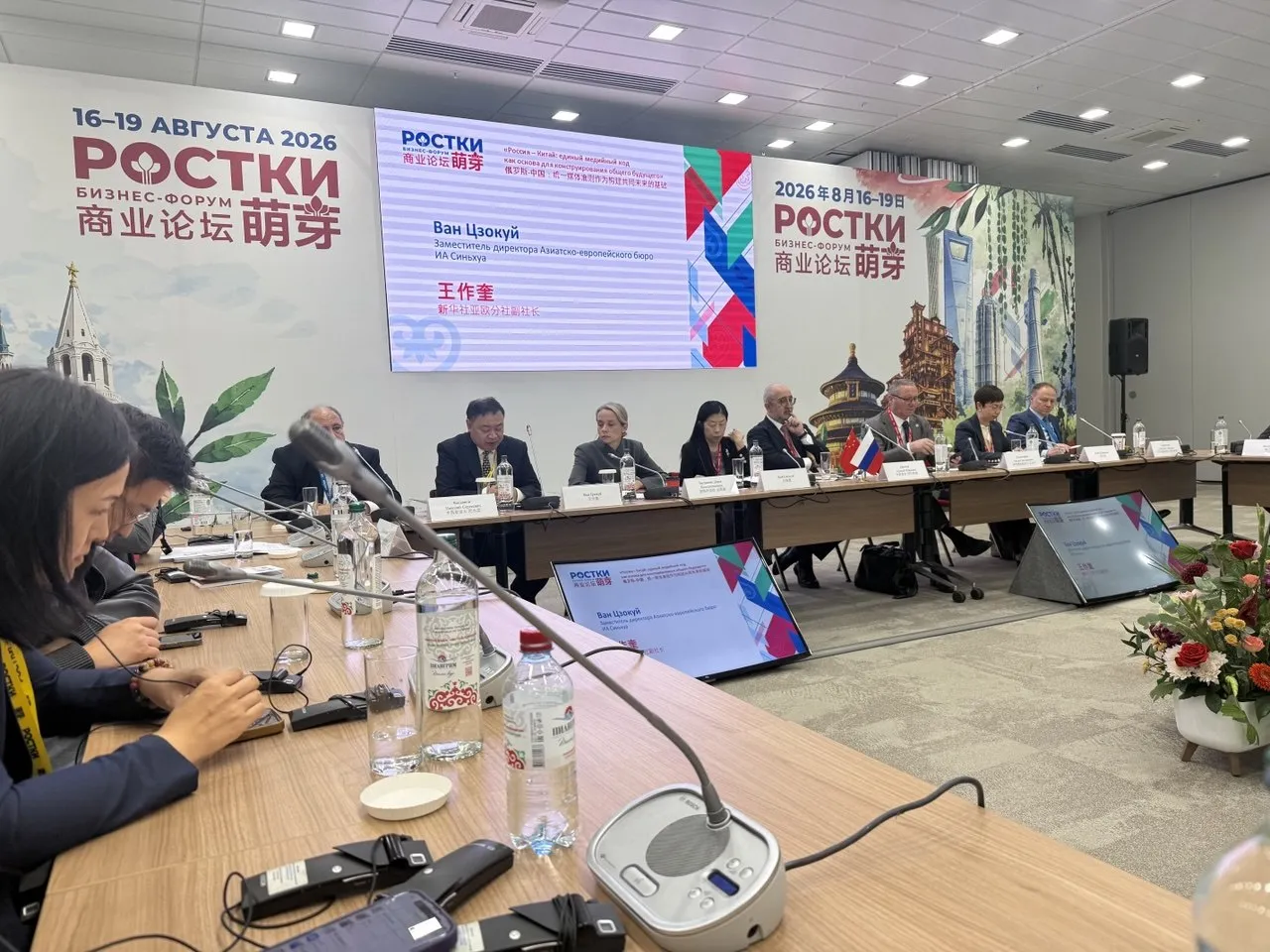
The tone of the discussion was set by a thought that was expressed in different formulations by several speakers: there is a lot of talk about trust and responsibility in the media today, but at the level of legislation and practice it is almost impossible to track it. Information flows through social networks in a huge stream, which is published every second, and in this stream it is becoming increasingly difficult to distinguish a proven fact from manipulation.
Nikolay Kasyanov (Interfax): Business already has an infrastructure of trust, but media does not.
Nikolai Kasyanov, a representative of Interfax, outlined the problem more harshly than others: we are dealing with a whole conglomerate of influence technologies that operate at the level of both microgroups and macrogroups of interests in the communication system, and with the advent of artificial intelligence, manipulation tools are only becoming thinner and more systematic. According to him, the modern information field is, in fact, a global marketing system where attention is sold in megablocks, and you can't get away from this fact — you can only learn how to work with it.
Here he also gave an example from a related field, which became one of the points of support for the entire discussion.: In business, there has long been a ready—made infrastructure for checking a counterparty before a transaction - SPARK and X-Compliance services, both products of the Interfax group. A business doesn't sign a contract blindly — it checks the partner first. There is almost no such verification infrastructure in the media for the reader: the reader has to take the source's word for it.
Zang Shanyuan: small and medium-sized businesses cannot find a partner on their own
Ms. Zang Shanyuan, representing the Chinese side of Russian-Chinese media development, focused on the practical side of the issue, which is what small and medium—sized businesses in both countries face: they are unable to independently assess the market and find partners. According to her, the power of the media lies precisely in eliminating erroneous judgments, but not abstract ones, but based on real examples and cases. The price for trust, she stressed, is reputation, and honest and reliable media work is a position, not a slogan: "we are not a source or distributor," but a company that acts responsibly.
Le Xiao Hei: media corporation from Shanghai and invitation to the BRICS Forum
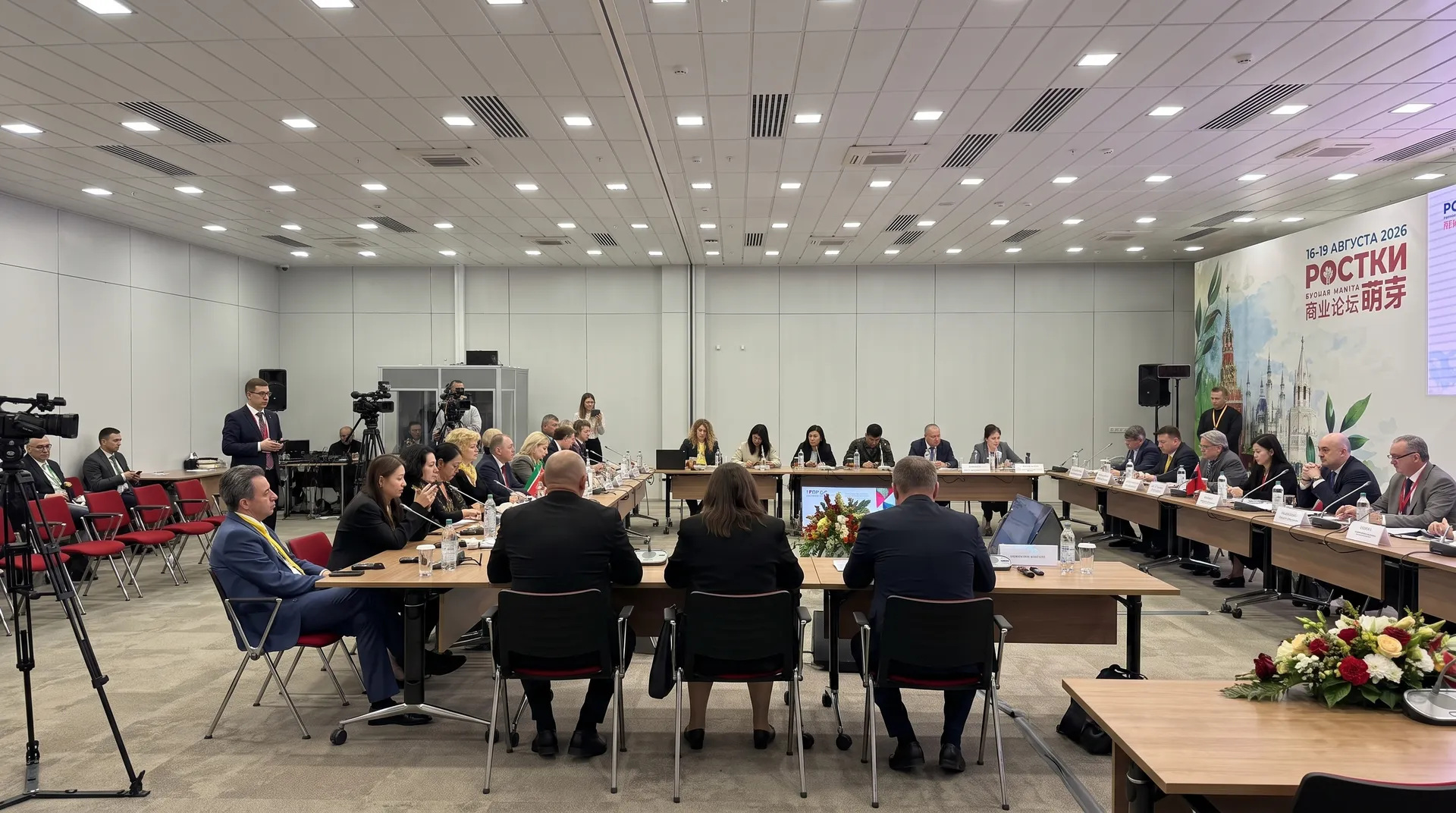
On the Chinese side, Le Xiao Hei, a representative of one of the major media corporations in Shanghai with a large user audience, also spoke. He spoke about his willingness to tell true stories of Russian-Chinese friendship and called the current period the "golden era of cooperation" between the two countries. He also mentioned the forum of the leading BRICS countries in Shanghai as a platform where a solid information exchange bridge can be built, and invited colleagues to the exhibition in Shanghai, adding that photography as a format is one of the most direct expressions of sincerity in journalism.
For Deliver-2, this is a direct invitation — the editors have already identified participation in the BRICS Forum in Shanghai and the Shanghai Spring event as the immediate goal requiring separate preparation.
Deliver-2's suggestion: Move from words to action

Based on the theses that were voiced, Deliver-2 made a direct proposal to the participants of the session — to join forces, and not limit themselves to another round of conversations about trust. The editor-in-chief of Deliver-2 addressed Nikolai Kasyanov and Marat Sisenovich directly, as well as Ms. Zhang Shanyuan, drawing a parallel between the infrastructure of trust in business and what is missing in the media.:
Nikolai Sergeevich and Marat Sisenovich. The business already has the infrastructure for this — SPARK and X-Compliance, which check the counterparty before the transaction. There is almost no such infrastructure for the reader in the media. Deliver-2 does the same for the media field: we do not verify counterparties, but sources and experts. Ms. Zhang Shanyuan, you have described exactly the problem that we are working with: small and medium-sized businesses cannot find a partner and evaluate the market on their own. At Deliver-2, we have a directory of companies and experts working between Russia and China for this purpose — that is, not a conversation about trust, but a specific list where you can come and find a contact.
— Deliver-2, session "Russia—China: Media Partnership"
The meaning of the proposal is not in a new declaration on the importance of trust, but in specific mechanics: Deliver—2 already works today as a verification infrastructure for the media field, similar to how SPARK and X-Compliance work for businesses, and as a practical tool - a directory of companies and experts working between Russia and China — already today It solves a problem that Zhang Shanyuan described as a key pain for small and medium-sized businesses.
This is the very transition from words to deeds that many people talked about at the session: not another thesis about the value of trust, but a ready-made working tool that the editors suggested using here and now — for Chinese media partners, representatives of the business infrastructure and the organizers of the session.
What's next
From the conversations on the site, two specific next steps are already emerging for the editorial staff: participation in the forum of the leading BRICS countries in Shanghai and the Shanghai Spring event, both of which are designated as a priority to strengthen the information bridge between Deliver—2 and Chinese media partners. Deliver-2 will keep readers informed of how this cooperation proposal translates into specific agreements.