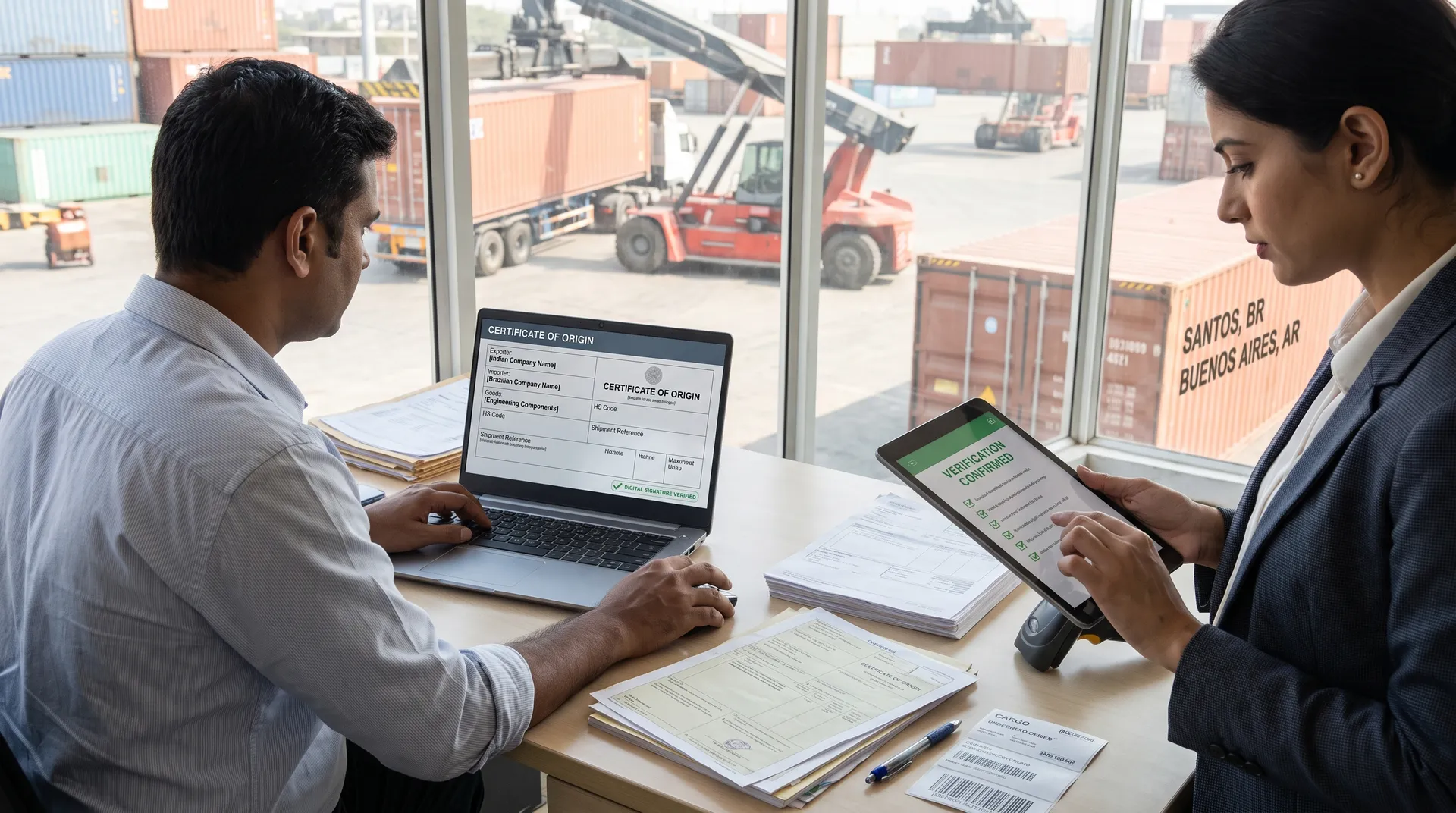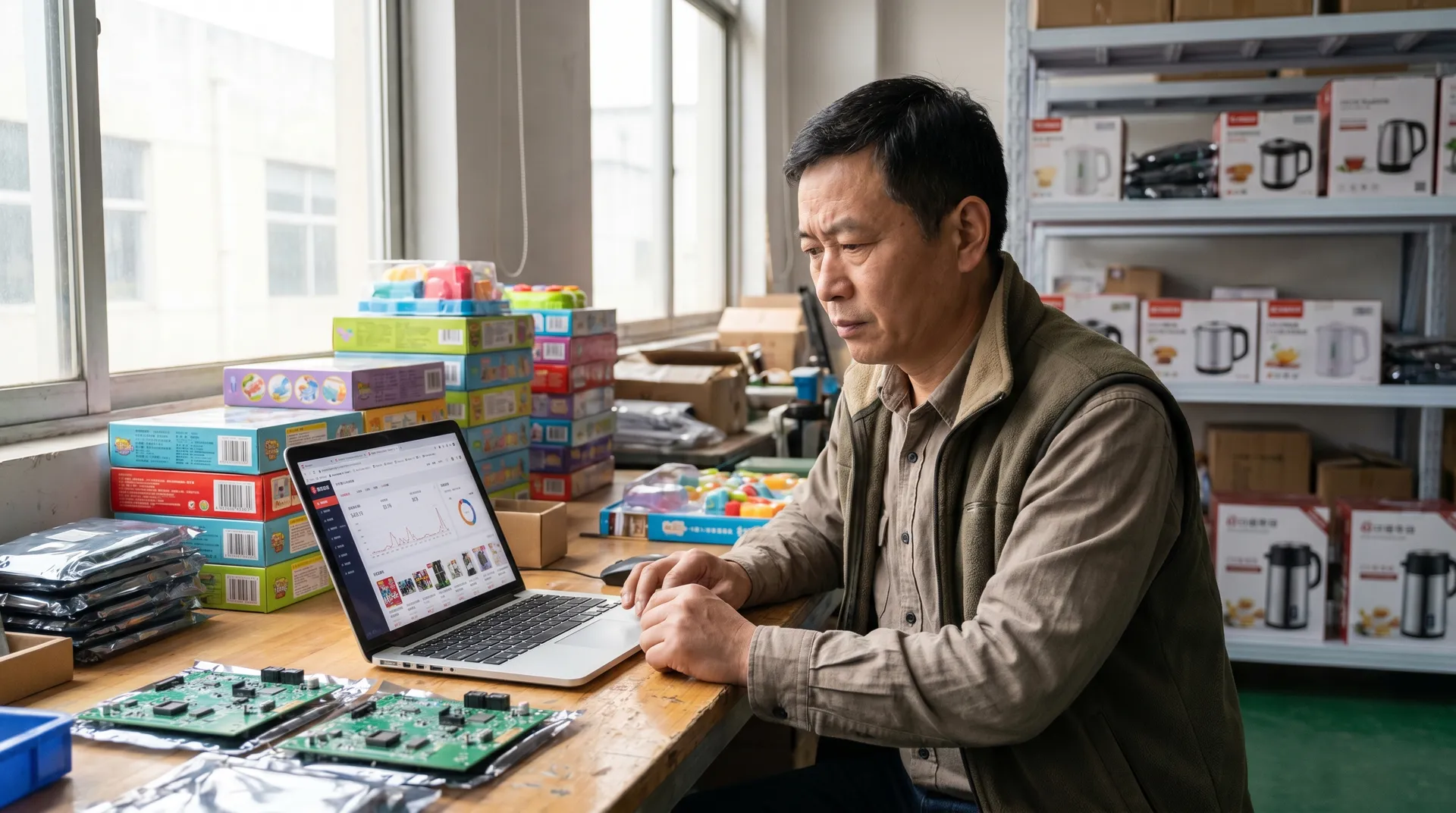
The US-China trade war has hit Temu harder than expected. While the platform was building a business on duty-free exports to the United States via de minimis ($800 without duties), it worked. After the loophole was closed and duties of up to 125% were imposed, Temu's daily audience in the United States dropped by tens of percent. The platform is urgently forced to change its model — to switch from "full management" (goods are flying from China) to "semi-management" through American warehouse intermediaries.
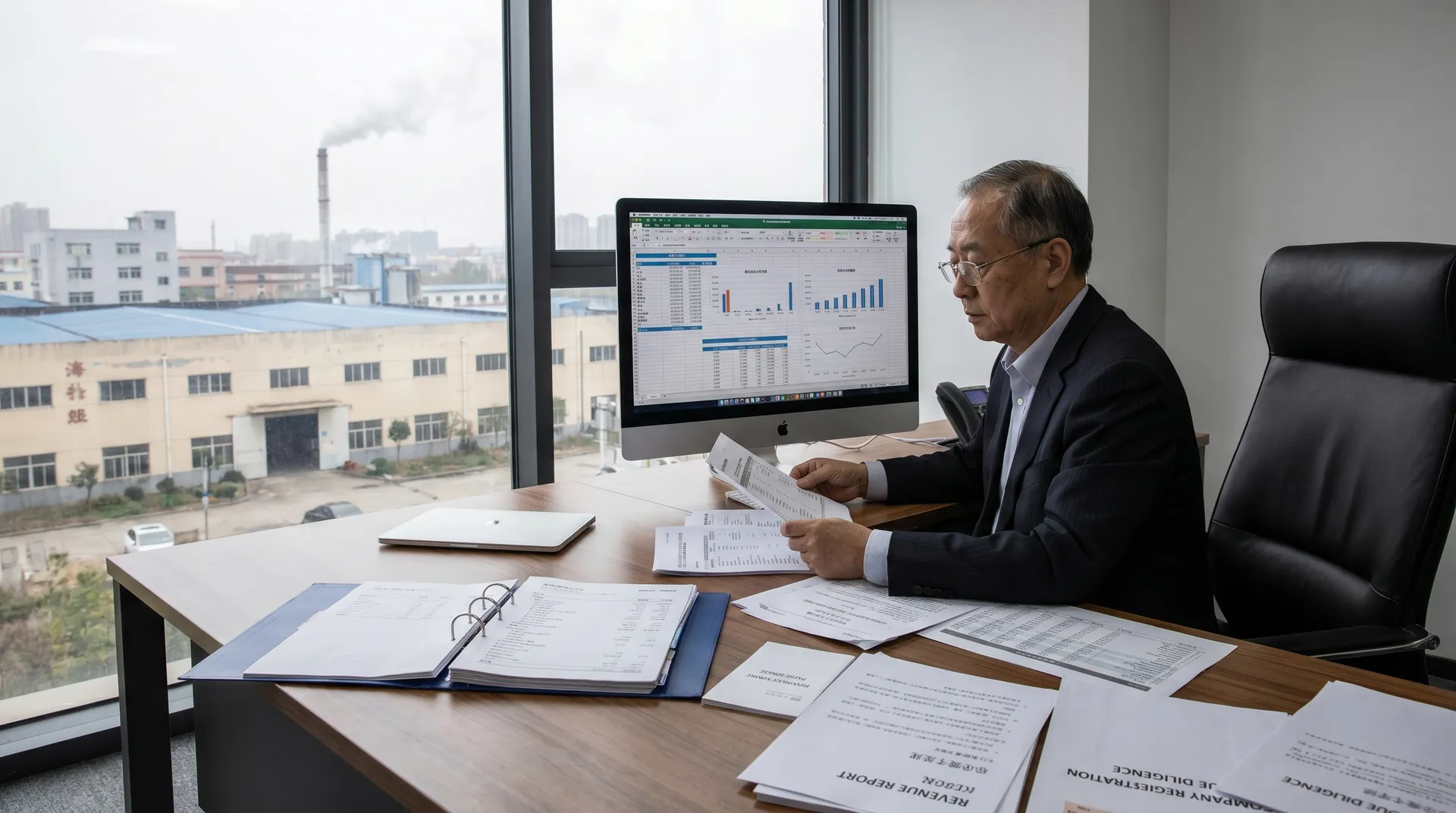
PDD Holdings responded on a large scale. The parent company of Pinduoduo and Temu has announced a support program worth 100 billion yuan — about $13.7 billion. The money will be used to help small and medium-sized producers who have lost the American market: to cover part of the costs of reorienting to the domestic Chinese market and entering new export destinations.
In parallel, other giants operate according to the same logic. Alibaba is expanding subsidies for buyers inside China. JD is increasing its internal logistics capacity. Baidu has given a million companies the right to advertise for free through AI streams. ByteDance and Meituan are launching similar programs to support domestic consumption.
This opens up several possibilities.
- First, Chinese manufacturers who have lost the American market are actively looking for alternatives — Russia and the BRICS countries are becoming priorities. This means an increase in supply and, potentially, a decrease in purchase prices for many categories of goods.
- Secondly, Temu, which is actively increasing its presence in Russia and the CIS, has received an additional incentive to accelerate expansion into these markets as a replacement for the lost American one.
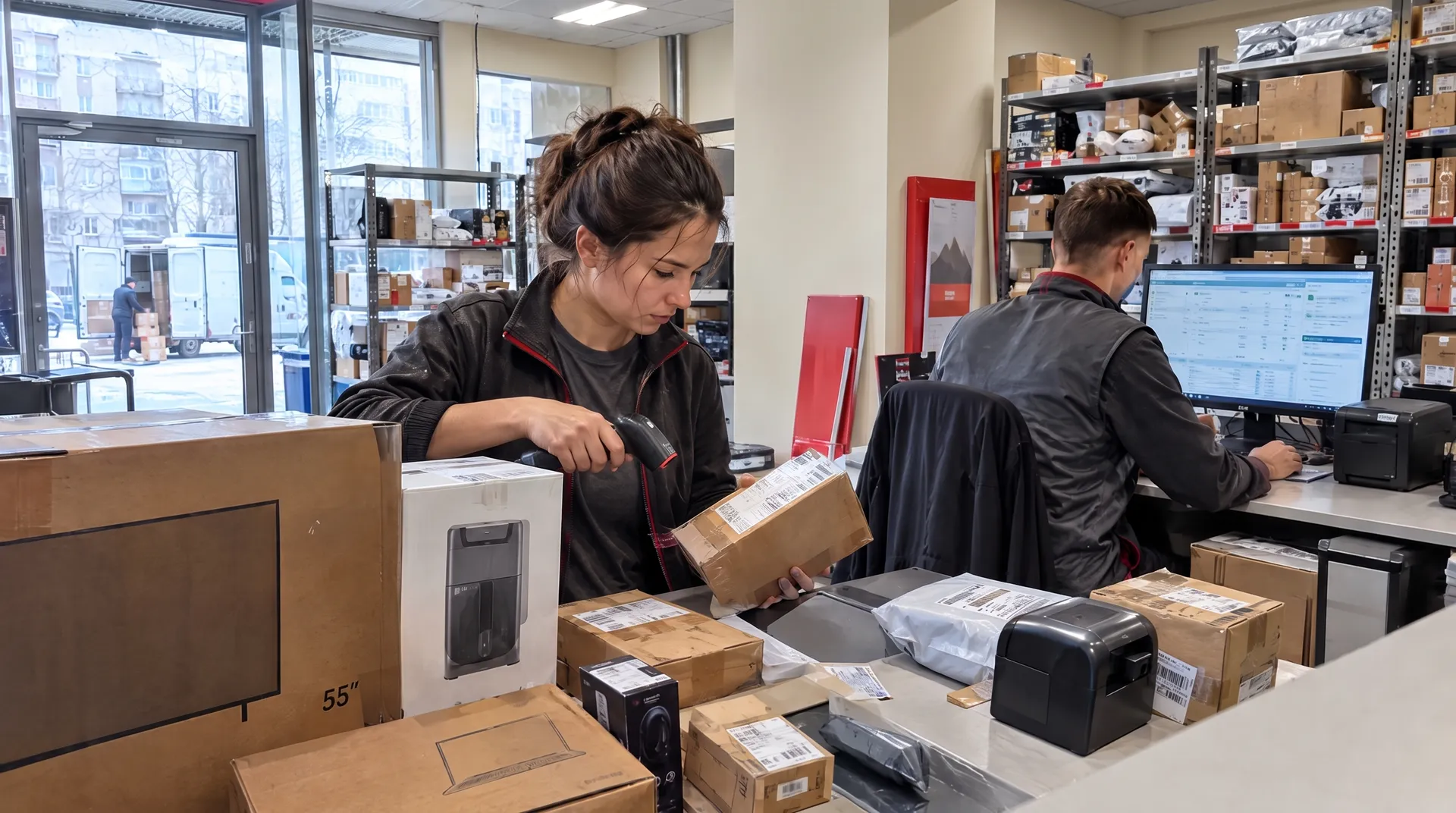
Shipments from Chinese marketplaces to Russia have already increased 3.6 times over the year, from $500 million to $1.8 billion. The pressure on the American direction will make Russia an even higher priority market for Chinese platforms and their sellers.