Siluanov: the system of cross—border settlements in BRICS is stalling - the dollar is more convenient for many
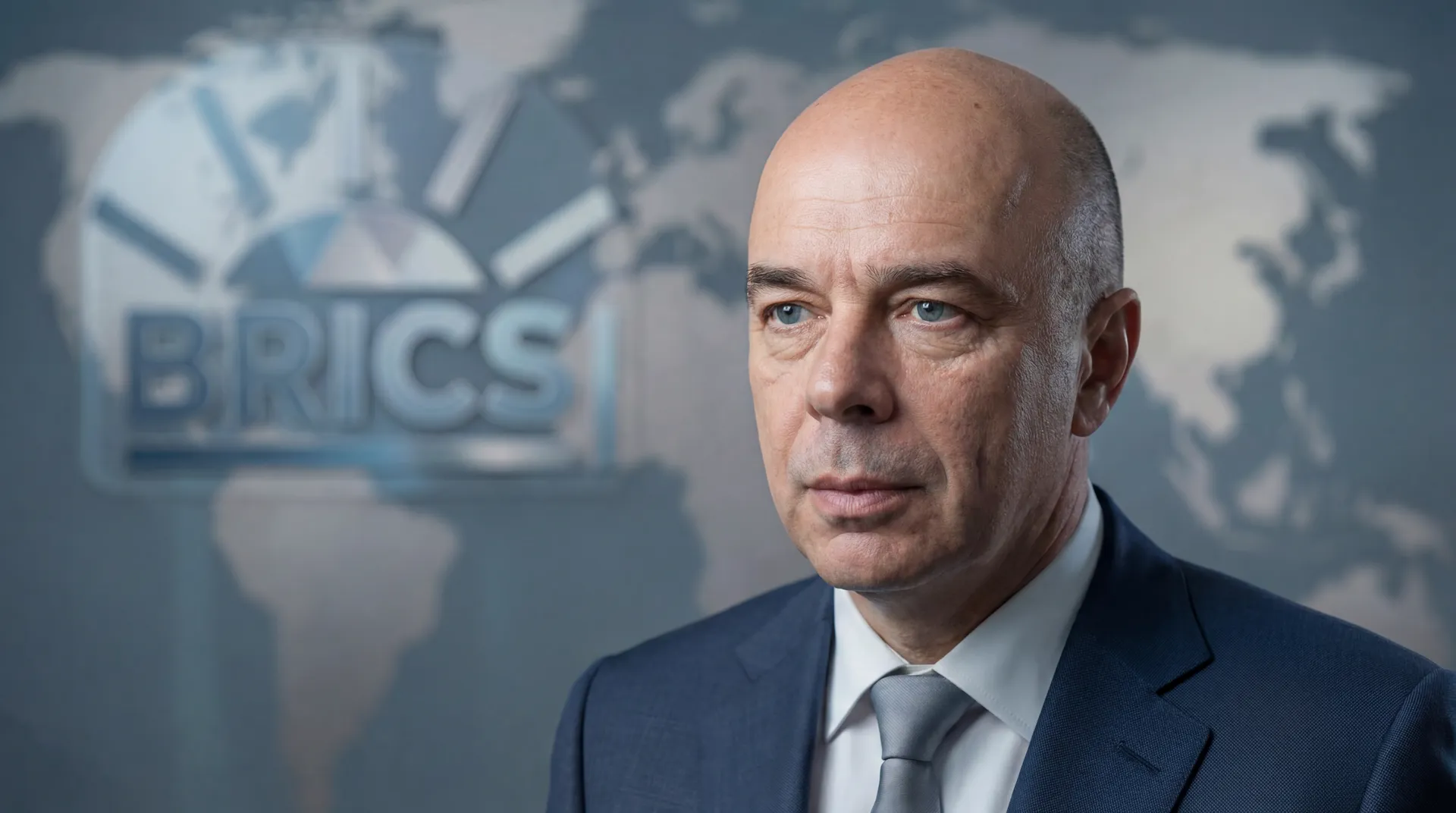
The process of forming a common system of cross-border settlements within the BRICS is developing slowly, Russian Finance Minister Anton Siluanov acknowledged. According to him, a significant part of the union's states are in no hurry to switch to alternative payment methods, since the existing mechanisms based on the dollar remain convenient and understandable for them. The statement was made at the X International Forum of the Financial University.
The minister noted that the topic of a unified payment system is regularly raised on the BRICS agenda, but progress is limited by differences in the approaches of the participating countries. Some states are afraid of possible financial risks when switching to a new settlement mechanism, while others prefer not to change the infrastructure they have been using for decades.
According to experts, the transition to alternative currency schemes within the BRICS will require not only political will, but also the introduction of common technical standards, the development of clearing infrastructure, the setting up of digital platforms and the harmonization of legal norms between countries.
At the same time, Russia continues to promote the idea of developing an independent financial architecture that will reduce dependence on the dollar and simplify trade between the member states. Earlier, representatives of India, China and Brazil stated that alternative payment mechanisms should combine technology, security and transparency.
In the foreseeable future, analysts say, the process will develop gradually. However, even slow progress may lead to the formation of a regional settlement system capable of reducing the risks of sanctions pressure and expanding mutual trade between the BRICS countries.