Putin and the UAE leader in the Kremlin: Iran, Ukraine and trade — what it means for foreign economic activity and logistics
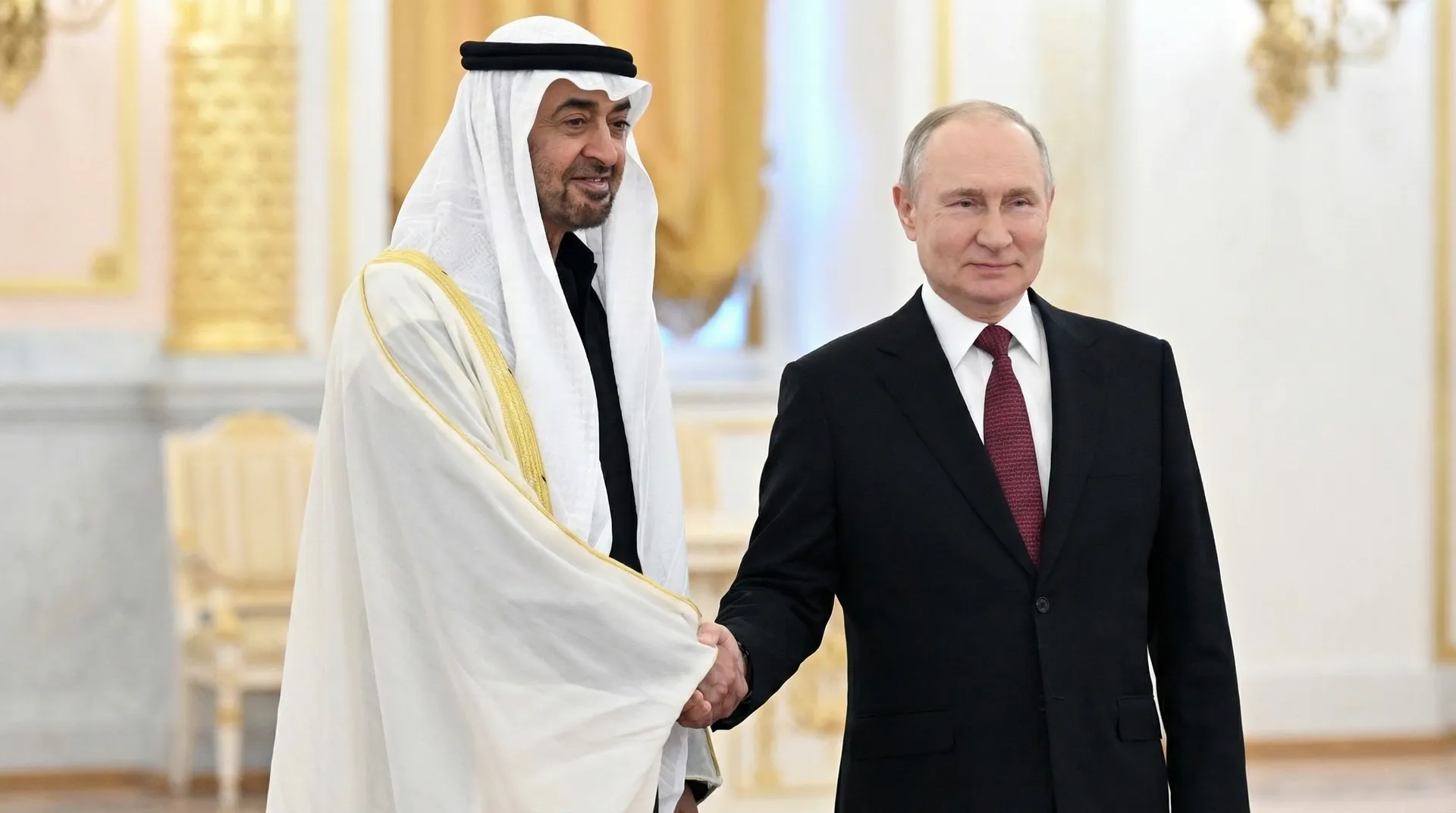
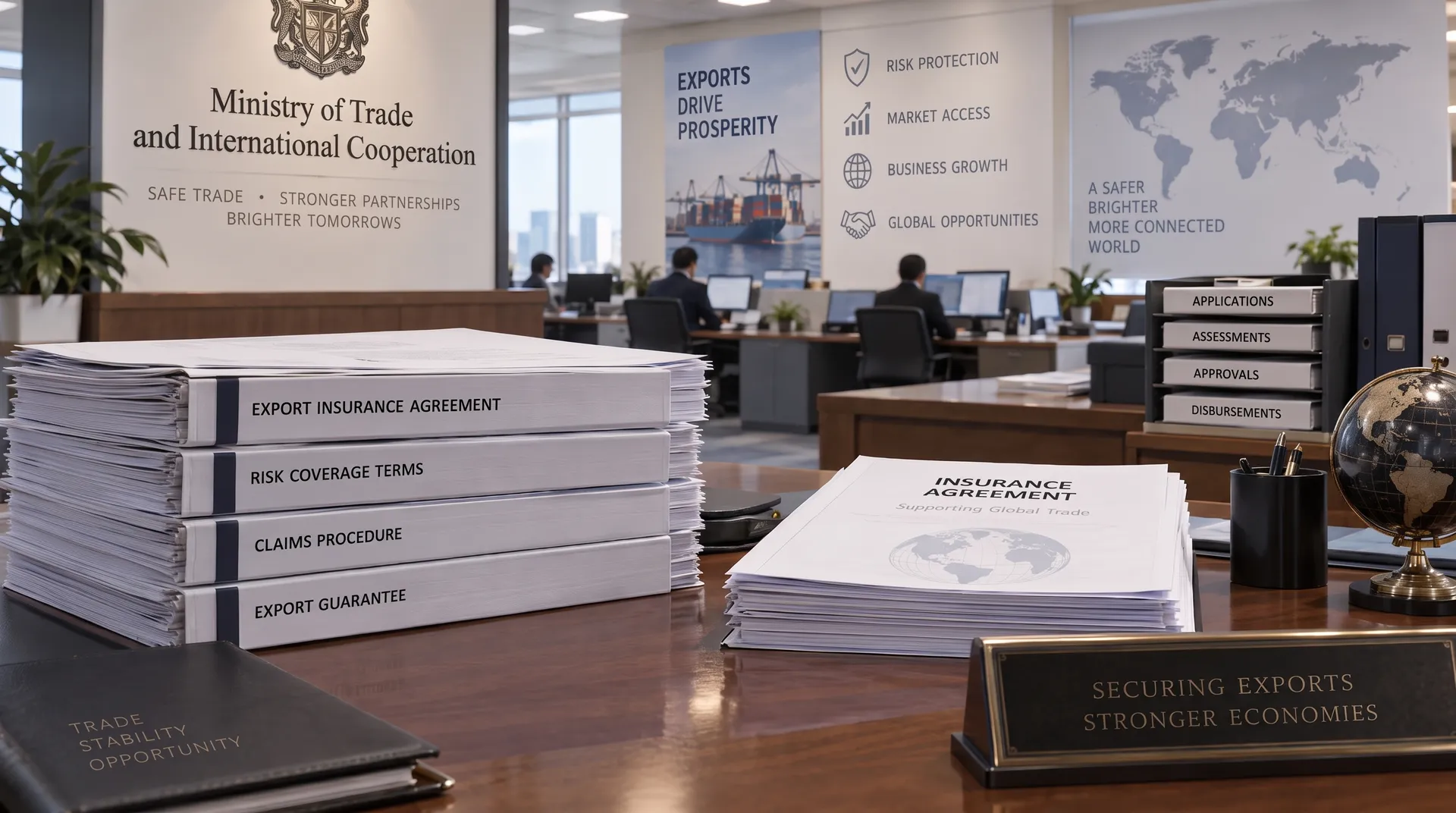
The negotiations in the Kremlin have become a point where politics directly intersects with foreign trade and logistics. According to Reuters, Vladimir Putin separately noted during the open part of the meeting that Russia is closely monitoring the situation around Iran and wants to discuss the growing tensions with the Emirati leader. On the same day, Kremlin spokesman Dmitry Peskov warned that a military scenario against Tehran could lead to "chaos" in the region — a backdrop that immediately places a risk premium on insurance, freight and cargo routing through the Middle East.
A separate layer is Ukraine and the diplomatic role of the UAE. At the end of January, Abu Dhabi hosted trilateral consultations between the delegations of Russia, the United States and Ukraine, which strengthened the Emirates' position as a "negotiating platform." This is not an abstraction for the market: any diplomatic de-escalation is most quickly reflected in the transport economy, from the availability of payments and insurance to the sustainability of transit through regional hubs.
Context: the Russian side outlined an approach to the Middle East settlement during the negotiations.
"It is fundamental to resolve the issue related to the formation of a full—fledged Palestinian state that would coexist in peace and security with Israel," the Russian president stressed.
Where is foreign economic activity and freight transportation here
For foreign trade, the Russia–UAE link has long been not only about bilateral trade, but also about the role of the Emirates as a financial and logistics hub: re-export, consolidation of shipments, procurement and insurance services, as well as a "window" for supplies to the markets of the Middle East, Africa and South Asia.
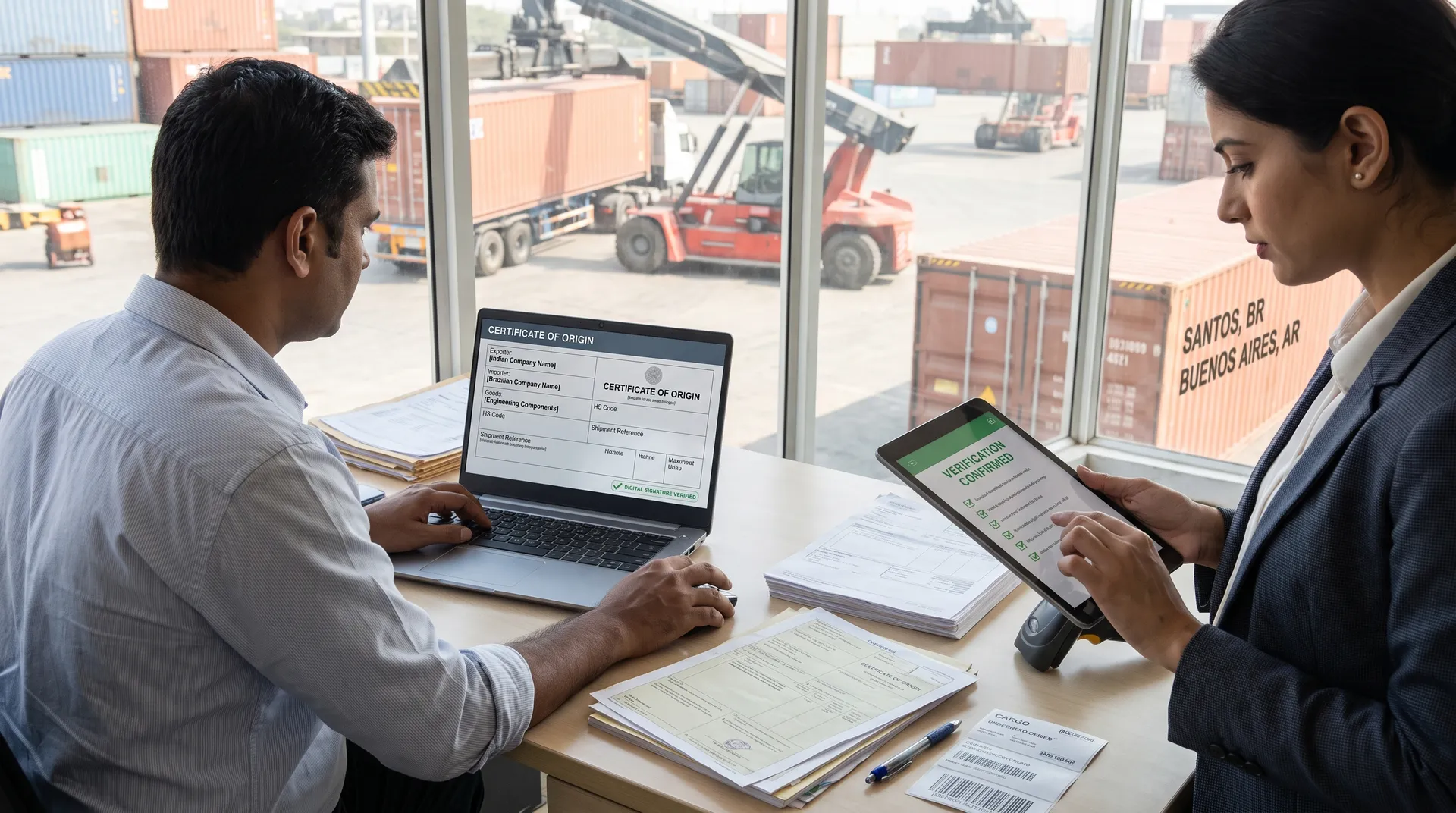
Separately, the market is carefully looking at the integration of the UAE with the Eurasian contour. Industry reviews and comments discuss that the free trade agreement between the EAEU and the UAE can dramatically expand the share of supplies with reduced duties (estimates indicate 97% for Russian goods), as well as increase transparency for businesses through a double taxation agreement. A caveat is important here: the specific parameters depend on the final applications and schedules of liberalization, but the vector itself is obvious — trade will be "institutionalized", which means companies with strong compliance and the right documents will start to win.
Results:
The Russia–UAE meeting is a marker that the southern arc is becoming key to Russian foreign trade: diplomacy reduces risks, and reducing risks directly reduces the cost of logistics. It makes practical sense for the business of foreign economic activity to keep the Middle East in focus as both a sales market and transit and financial infrastructure, but to include in contracts increased attention to insurance, sanctions/compliance checks and route stability against the background of the Iranian factor.