A new permanent multilateral checkpoint across the Russian state border will be set up in the seaport of Mariupol. The corresponding decree was signed by Prime Minister Mikhail Mishustin, consolidating the official status of the checkpoint for the cargo direction.
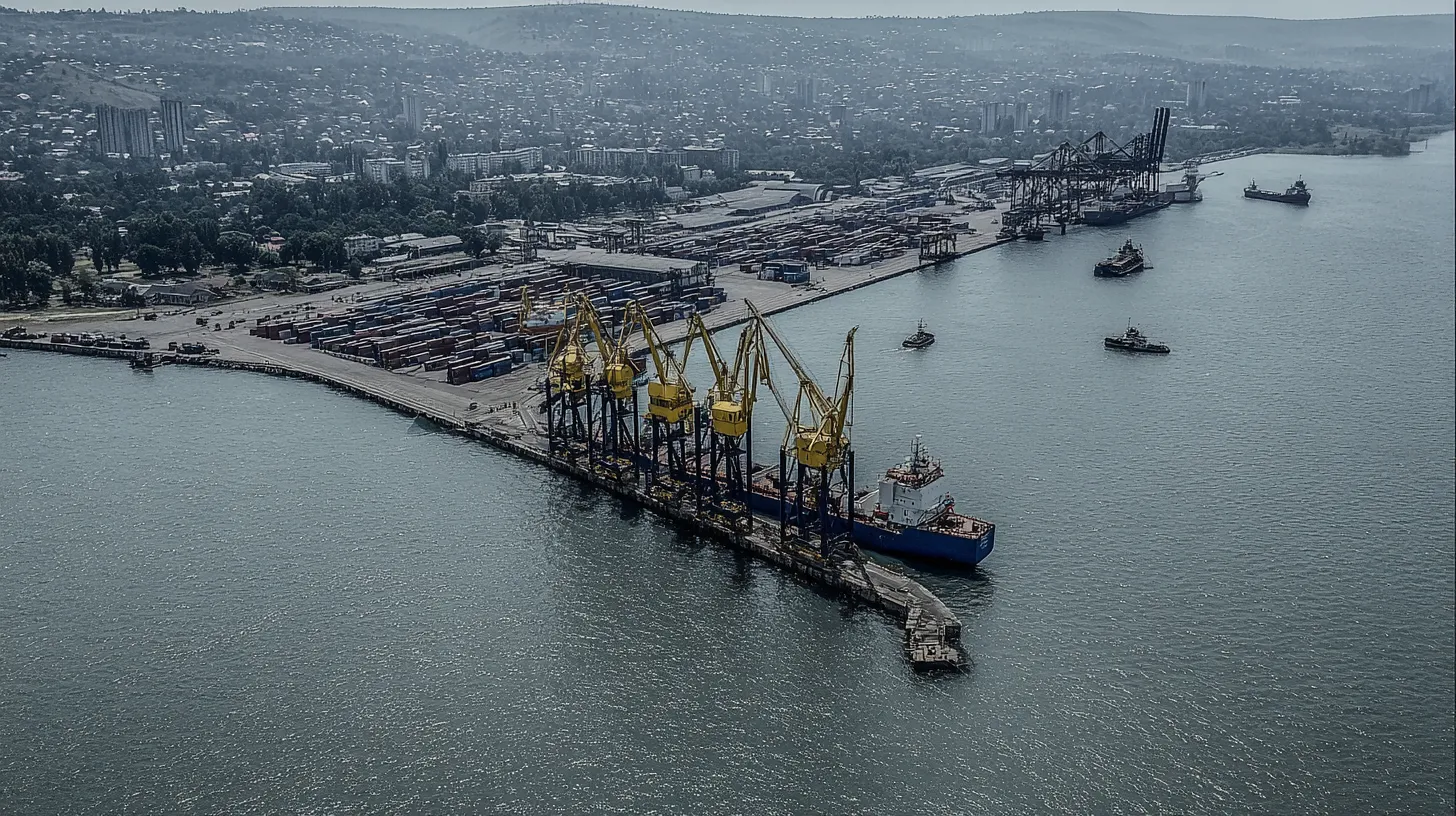
Today, the port of Mariupol remains the largest and deepest marine infrastructure facility in the Azov region. Its mooring line is almost 4 km long, and at the moment it is capable of receiving vessels at 12 cargo berths. The port is equipped with modern transshipment machines, which makes it possible to carry out unloading and loading operations in a short time.
After the dredging works are completed, the port's capabilities will expand significantly: it will be able to service dry cargo ships, universal vessels and container ships with a lifting capacity of up to 25 thousand tons. This will significantly increase the volume of processing and expand the logistics routes available to enterprises in the region.
The main part of Mariupol's cargo turnover consists of grain crops, coal, sinter ore — a type of iron ore — as well as tarred goods. Due to the location and depth of the water area, the port is an important link in the supply chain for the Azov and Black Sea routes.
Among the most sought—after international routes are supplies to Turkey, North Africa and the Middle East. The introduction of a permanent checkpoint will expand the geography of foreign trade, simplify border crossing for cargo ships and increase the speed of paperwork.
The establishment of the checkpoint will be an important stage in the port's integration into the updated transport and logistics contour of Russia. This will not only accelerate export operations, but also increase the attractiveness of Mariupol as a major transit hub in the waters of the Sea of Azov.