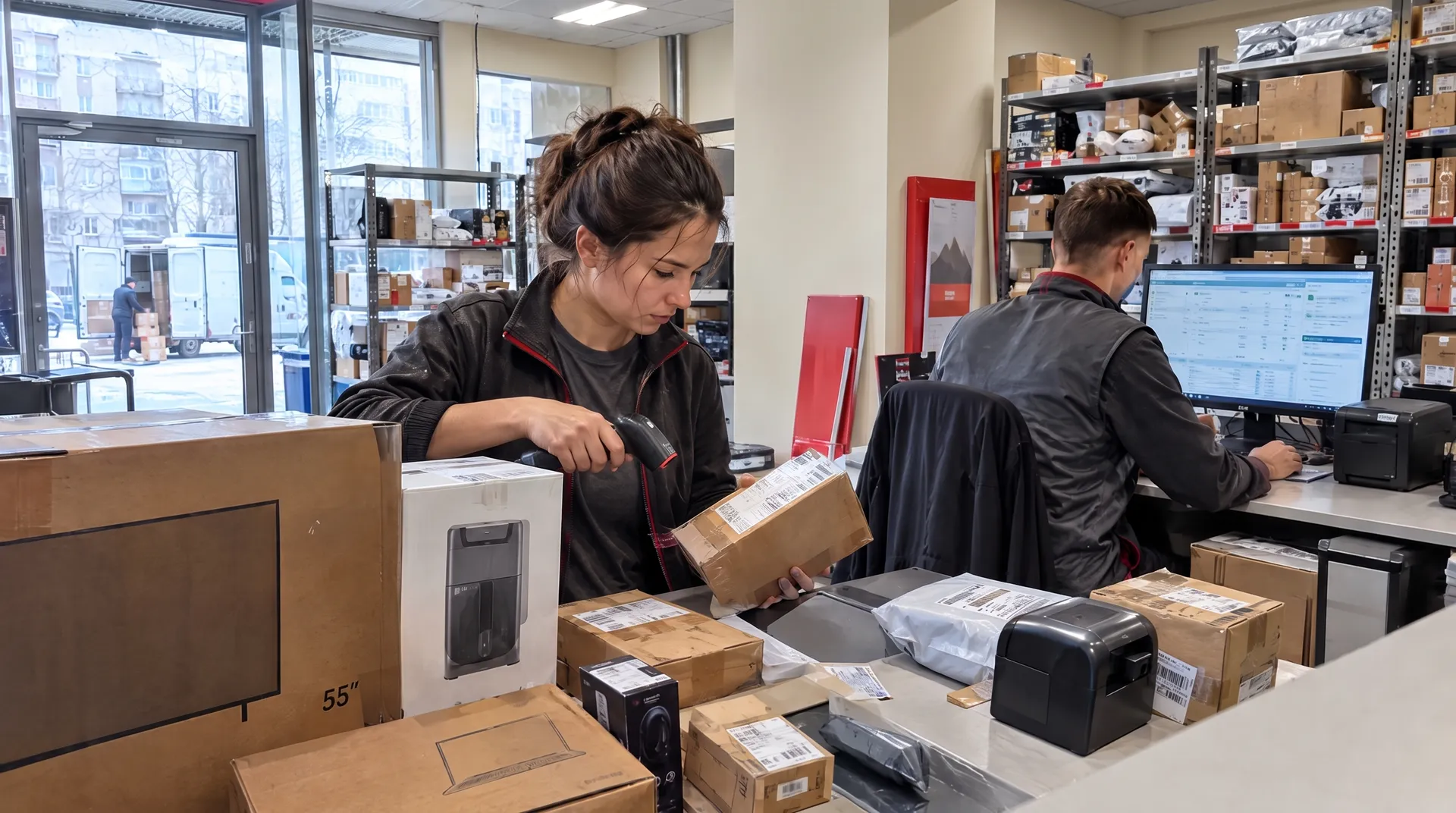
The innovation causes a mixed reaction in the market. Logisticians are wondering: doesn't this mean that freight forwarders actually have to "inform" on their customers, even if they didn't know about the need for special permits? For example, it is not uncommon for companies or entrepreneurs to request the delivery of medical equipment, laboratory reagents, or electronics that require a license to import. In such cases, clients are usually ready to process the documents correctly, but now the procedure itself looks more stringent.
The law provides for serious penalties for non-compliance with the new requirements. Upon the first violation, the forwarding company may be fined from one thousandth to three thousandths of the annual revenue, but not less than 500 thousand rubles. Repeated violations will cost more — from one hundredth to three hundredths of the revenue, but at least 1 million rubles.
Customers are also responsible. If they do not notify the forwarder of the presence of prohibited items in the cargo, they will face fines: for individuals — from 3 to 5 thousand rubles, for legal entities and individual entrepreneurs — from 50 to 100 thousand rubles. Limited shipments include ammunition, explosives and radioactive substances, foreign currency, securities and optical equipment.
Rocket Cargo noted that the initiative is aimed at improving the safety and transparency of transportation. However, according to them, most clients do not seek to violate the law and turn to freight forwarders specifically for advice. It is often at the stage of preliminary negotiations that it turns out that an additional permit or license is required. In this case, importers process all documents and do not attempt to transport prohibited goods.
"The role of the forwarder should be to help the customer understand the import rules and arrange the delivery correctly, rather than becoming an intermediary between the business and regulatory authorities," the company stressed.
Thus, the new law tightens the rules of transportation and adds control functions to logistics companies. For businesses, this means additional risks and the need to pay more attention to cargo documents in order to avoid fines.