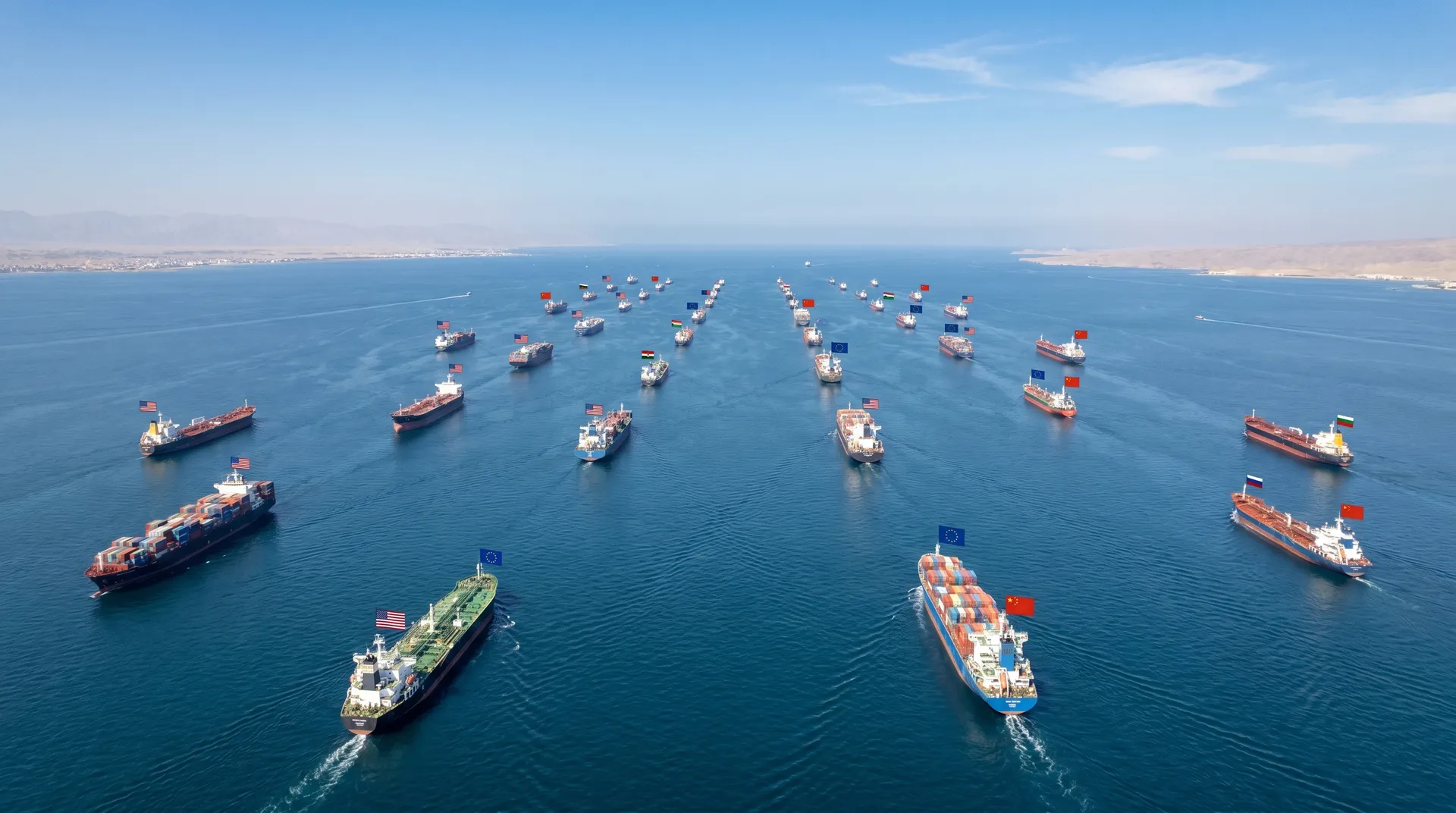
The conflict began at the end of February and kept global logistics in suspense for almost four months. During this time, only fragmentary traffic passed through the strait, which previously accounted for 20% of global oil and gas supplies. Insurance tariffs soared, freight on Middle Eastern routes increased significantly, and oil prices ranged from $90-110.
On June 15, all this received a formal end.
What exactly is signed
The Supreme National Security Council of Iran approved the final text of the memorandum of understanding on the evening of June 14. The document concerns the termination of the so—called Islamabad negotiations between Iran and the United States. In a statement released by the Iranian news agency IRNA: "The war and military operations on all fronts, including Lebanon, cease immediately and forever." It is emphasized separately that the naval blockade of Iran ends immediately and completely.
Trump wrote directly in Truth Social: "Congratulations to everyone! I hereby fully authorize the unhindered opening of the Strait of Hormuz and at the same time authorize the immediate lifting of the naval blockade by the United States Navy. Ships of all countries, start the engines. Let the oil flow!"
Chronology of discovery
The opening takes place in two stages. First, there is a partial opening, which began immediately after the announcement of the deal. Then there will be a full opening on June 19, after the official signing of the memorandum of understanding in Switzerland. Iran allows free transit through Hormuz for 60 days in accordance with the pact.
Negotiations on the final agreement are a separate 60—day track that will begin after the assets are unfrozen, the blockade is ended and the war is over. This dialogue will focus on Iran's nuclear program and the lifting of sanctions.
Market reaction
The news immediately hit the oil price. Brent fell to $83.5 per barrel, immediately falling by about $5, and continued to decline in the following days to levels below $80. The Prime Minister of Pakistan, who acted as a mediator in the negotiations, said: "After intensive negotiations, we are pleased to announce that a peace agreement has been reached between the United States and Iran."
What does this mean for logistics right now?
For companies with shipments across the Persian Gulf: the transition period between partial and full opening is a critical window. Check the transit status of shipping lines daily until June 19. After the full opening, there will be a gradual reduction in War Risk Premium and normalization of freight rates with a delay of 2-4 weeks.
Important caveat: the agreement is signed, but not time-tested. According to CNN, American intelligence believes that Iran still has the technical ability to block the strait again. Set normalization as a baseline scenario, but keep a plan B for time-critical deliveries.