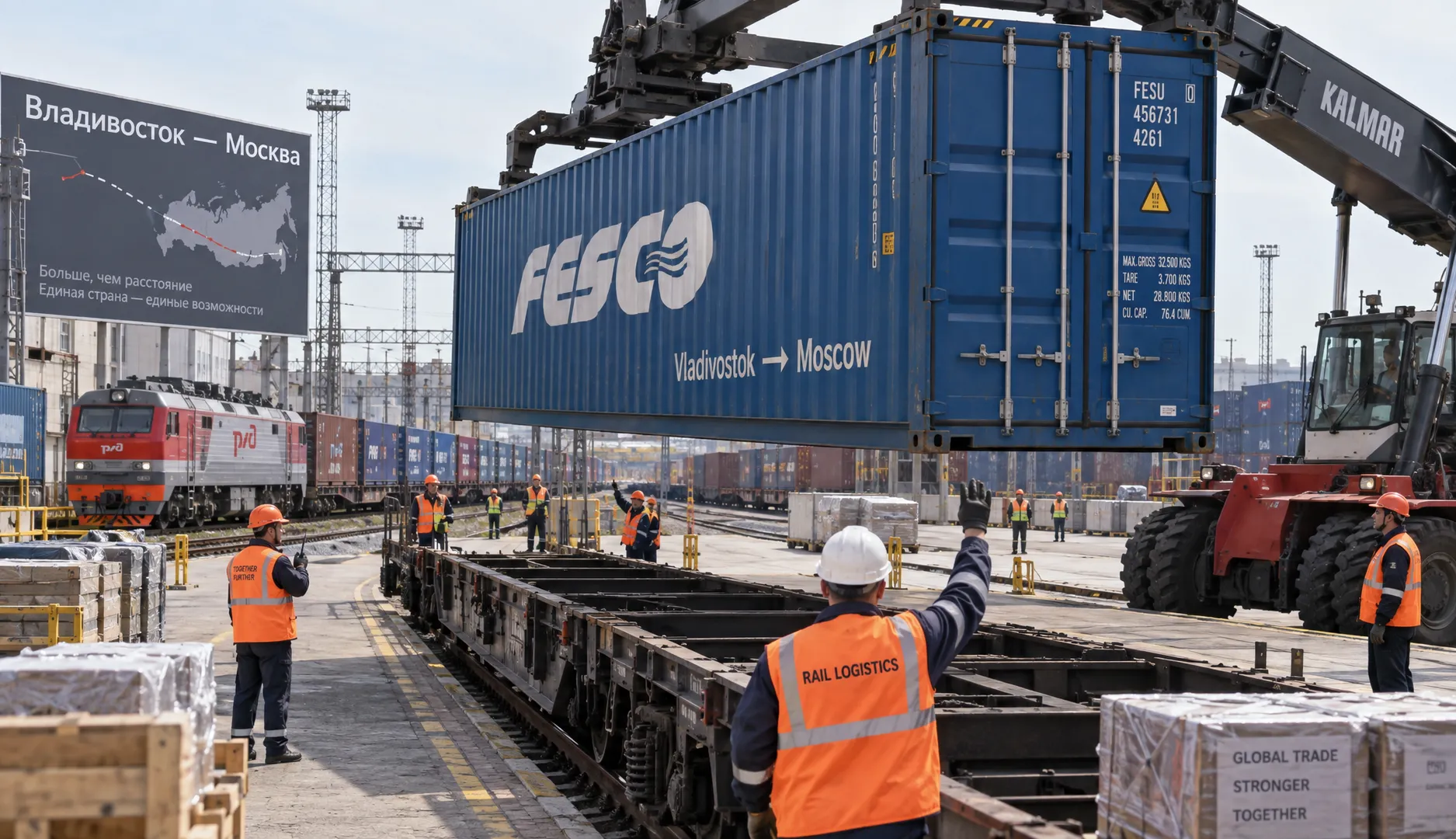
The four months of the Hormuz conflict have taught the world an object lesson: physical logistics can stop due to geopolitics at any moment, without warning. The same lesson applies to financial infrastructure — it's just less noticeable to most trading participants until it touches them personally.
Why is "it doesn't matter what the reasons" a keyword?
The logic of sanctions regimes and financial blockages does not require a direct conflict with a particular country. A change in the political situation, a change in administration, or a new package of measures is enough, and a company that has not violated anything may be cut off from dollar settlements due to a counterparty, jurisdiction, or simply a general tightening of rules.
This is the systemic motivation that drives China, Brazil, the Gulf states, and other BRICS members to build alternative infrastructure — not as a response to a specific crisis, but as insurance against any future crisis.
The Digital Silk Road — what it means practically
The term describes a set of initiatives: mBridge as a technical platform for cross-border CBDC settlements, the expansion of CIPS (the Chinese alternative to SWIFT) for trade settlements in yuan, BRICS Pay as political coordination at the block level, bilateral bridges like Drex–the UAE digital dirhams.
Each of these initiatives individually is not a revolution. But collectively, they form a parallel financial architecture that gradually reduces the critical dependence of a significant part of world trade on a single channel.
What does this mean for a Russian business that is currently doing well?
The paradox of the situation is that companies with current settlement schemes (through the UAE, China, dirhams, yuan) are working smoothly do not see an immediate need to change anything. But it is precisely the absence of problems today that does not guarantee their absence tomorrow.
The structural argument in favor of diversification is not to wait for the moment when the only working channel suddenly stops working, but to study alternatives in advance and keep at least partial backup schemes. For large exporters and importers with large volumes, this is a matter of risk management, not an urgent need.
A practical step for business right now
Conduct an audit: how many different independent channels your international payments go through. If the entire volume goes through one bank, one jurisdiction, or one payment mechanism, this is a concentrated risk. To study the development of mBridge, BRICS Pay, and the expansion of CIPS not as abstract geopolitics, but as specific diversification tools that will become practically available in the next 1-2 years.