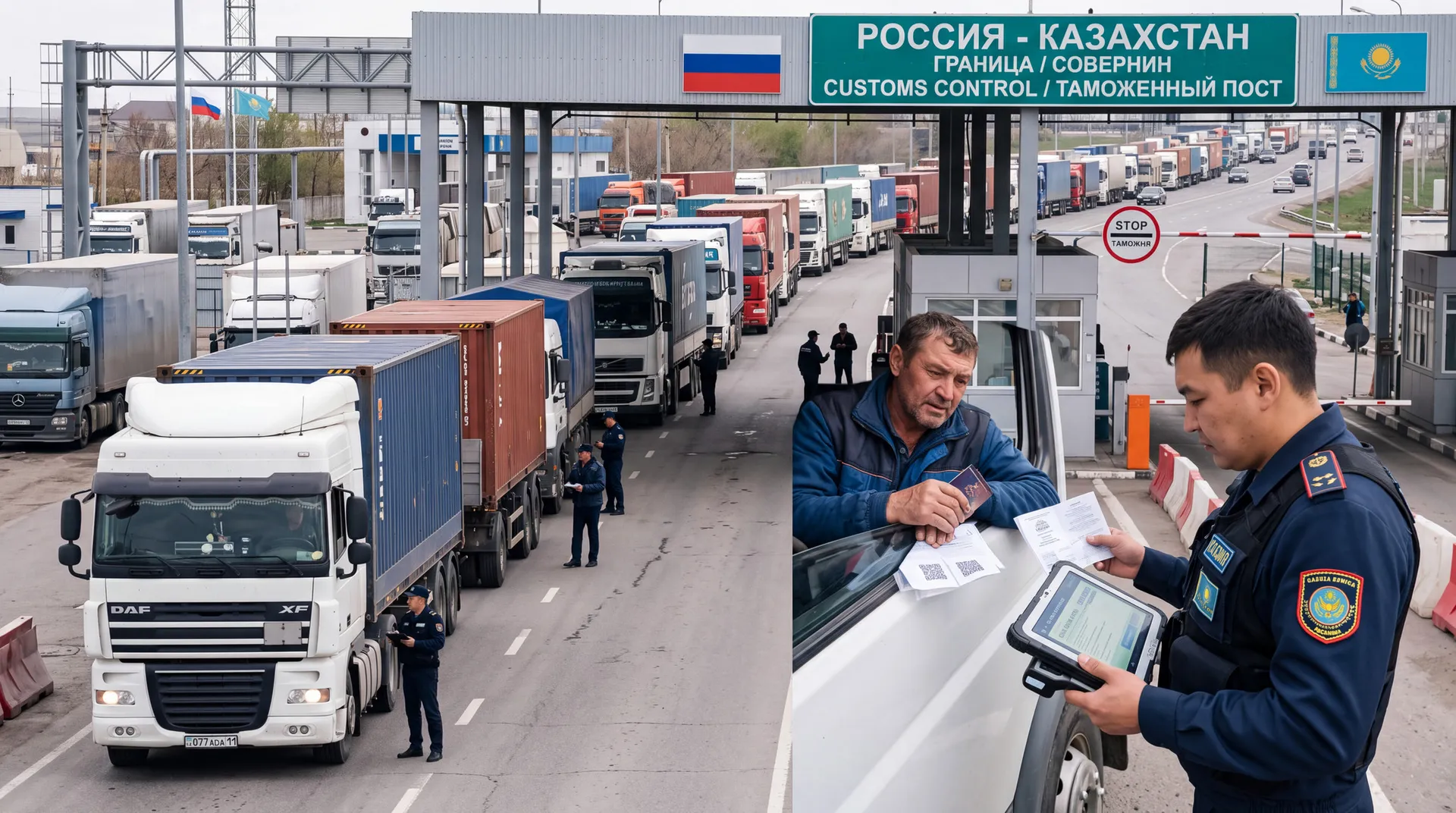
Parallel import of IT equipment to Russia has been operating since the spring of 2022 as an emergency mechanism - when foreign companies left the market, but the equipment was needed. In four years, chains have been built: through the UAE, Kazakhstan, Turkey, Hong Kong, and Armenia. According to the estimates of the Ministry of Industry and Trade, the volume of parallel imports in all categories is 1-1.5 billion dollars per month. IT technology is one of the largest articles.
Starting from May 27, this channel will be closed for the listed brands. It is not limited, it does not require additional licenses — it is closed: importation without the consent of the copyright holder becomes a violation of intellectual property law.
Full list of brands and categories
The restrictions include: — Laptops and computers: Acer, ASUS, HP, Fujitsu, IBM — Servers and storage: HP Enterprise (HPE), IBM, xFusion (Huawei Enterprise), Cisco — Processors and motherboards: Intel — Drives: Kingston, Samsung, Toshiba
This means that the server and operational infrastructure of most corporate clients is under attack.
Why is the government shutting down parallel imports
The logic of the Ministry of Industry and Trade is that some of the brands on the list have resumed or are ready to resume official deliveries through authorized distributors. Parallel imports create grey competition to the official channel and complicate relations with potential partners.
The second reason is to stimulate demand for Chinese and Russian analogues. When the gray channel is closed, the corporate buyer is forced to either turn to Chinese manufacturers (Huawei, Lenovo, Inspur, domestic storage systems), or switch to Russian hardware and software.
What to do right now — until May 27th
Five days is really short for large shipments, but it is enough to complete those that have already begun. If there are shipments in transit or at customs clearance, speed up the release before the order takes effect. If there are signed supply contracts after May 27, consult with a lawyer about the risks of execution.
What to do after May 27th
Three work areas for replacement.
- The first is Chinese analogues without a foreign brand. Huawei (servers, storage, network equipment), Lenovo (laptops, servers through official channels), Inspur (servers), NAND drives from Chinese manufacturers — parallel imports do not apply to these items, official supplies.
- The second is Russian manufacturers. Aquarius, DEPO Computers, Yadro, Elbrus — there are already working solutions for some corporate tasks, especially in the public sector.
- The third is supplies from countries that are not subject to parallel import restrictions. Some items are manufactured in factories in Asia under OEM contracts and are supplied without a brand or under local brands - this is a legal channel.
The scale of the consequences
The annual volume of parallel imports of IT categories is estimated to be several billion dollars. The corporate sector, education, medicine, industry — all those who have been updating their equipment fleets through gray channels over the past four years will face the need to restructure their purchasing strategies.