





The bids are differentiated according to three scenarios: basic, reduced — if there is a trademark or model in the labeling system — and increased in the absence of such data.
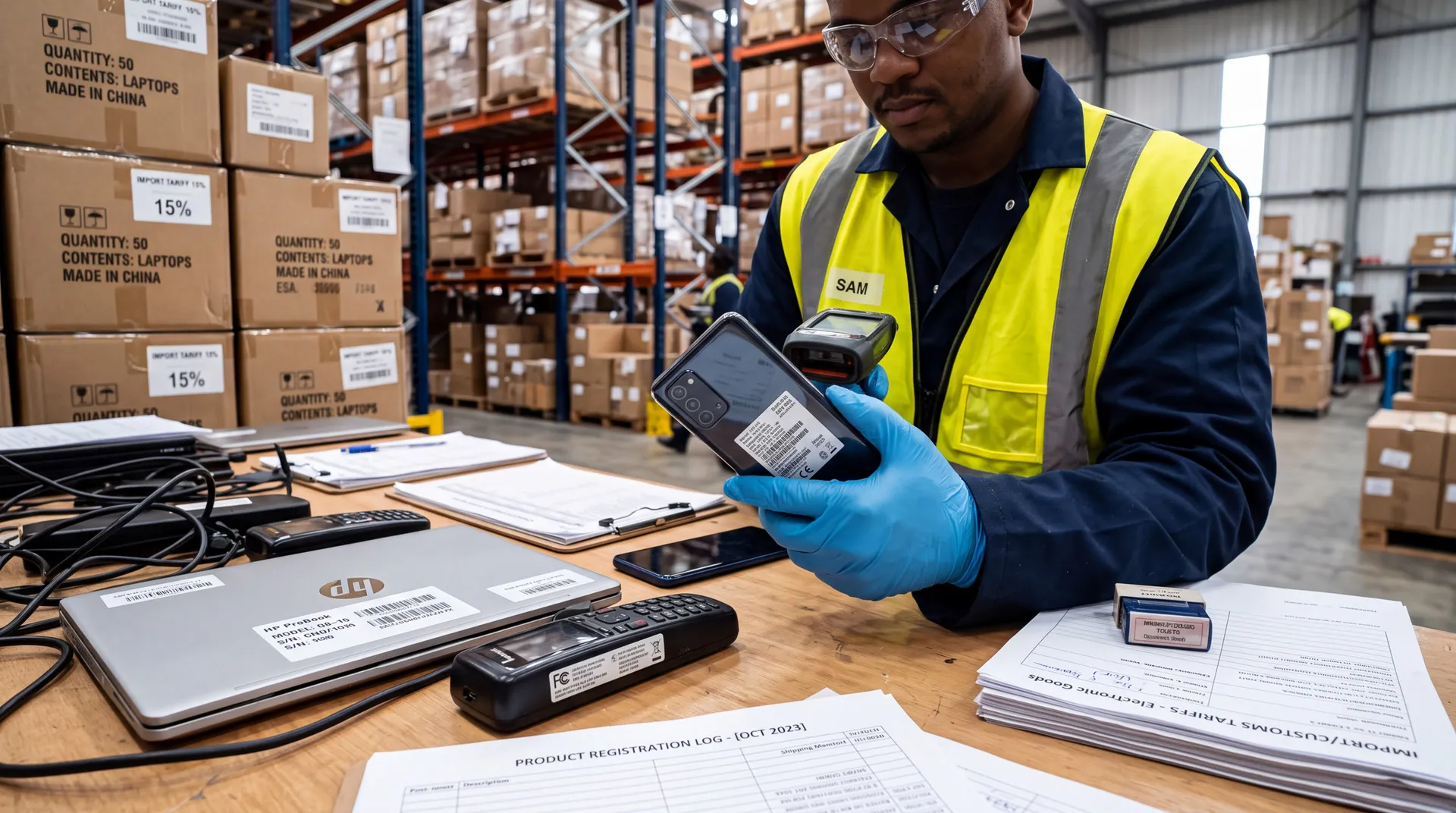
There are three values for laptops: 746 rubles (basic), 500 rubles (if there is data in the labeling) and 992 rubles (if there is no data). Smartphones are taxed at rates of 373, 250 and 496 rubles, respectively. Wired phones with a cordless handset — 149, 100 or 198 rubles; cellular phones — 75, 50 or 100 rubles; other telephones — 37, 25 or 49 rubles.
The maximum amount of payment is legally limited to 5,000 rubles per unit.
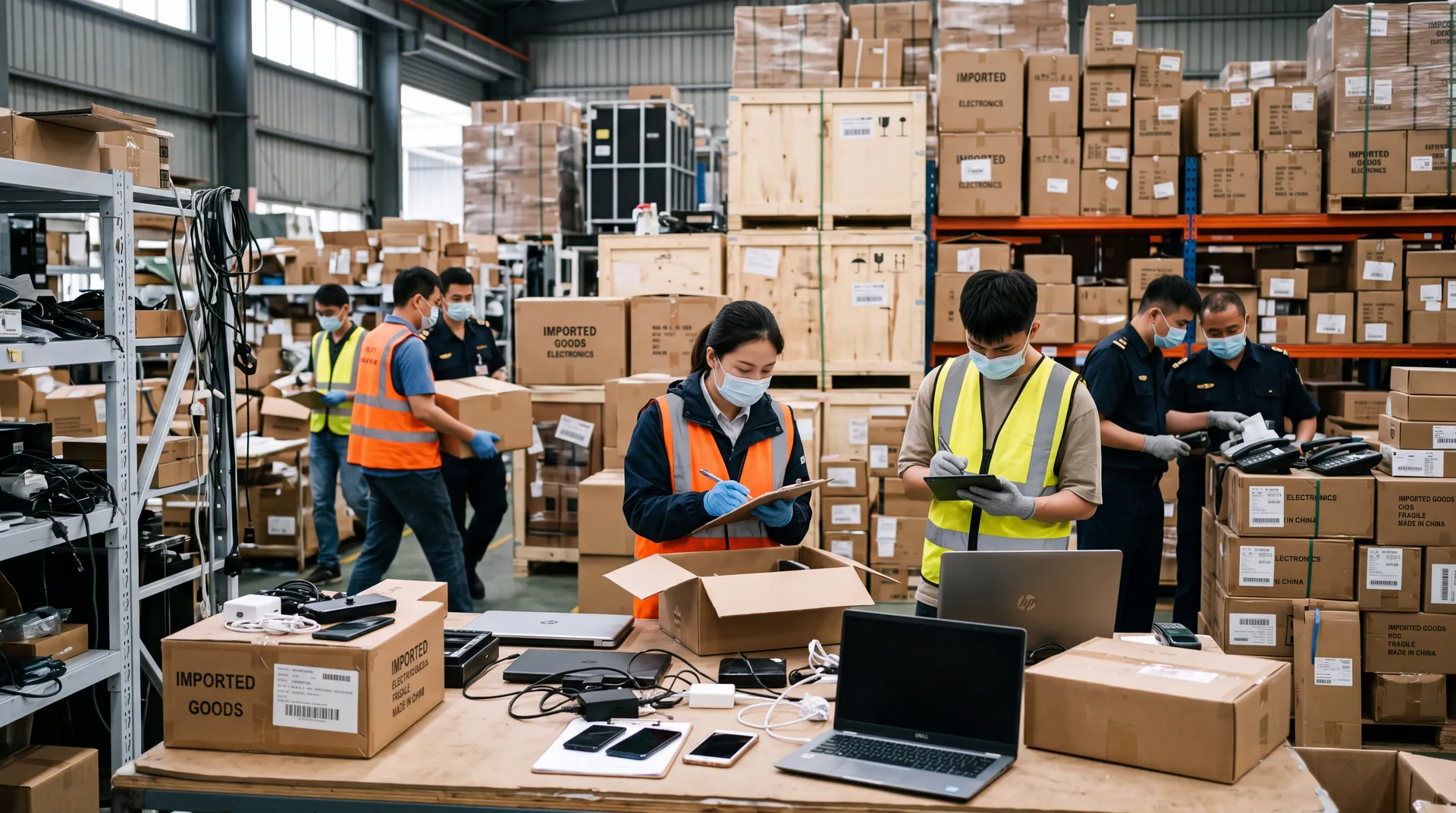
The fee is charged for the import or manufacture of electronic components and industrial products containing them, and is transferred to the federal budget. The mechanism is provided for by amendments to the law "On Industrial Policy in the Russian Federation", adopted in November 2025.
In the explanatory note to the draft order, the Ministry of Industry and Trade indicated that the rates were set in order to preserve products of all price segments on the Russian market — the fee should not significantly affect the increase in the cost of low-price goods.
For importers of electronics, the amount of the fee directly depends on whether the imported model is registered in the labeling system. Mandatory labeling of all listed categories of electronic products has been introduced since March 1, 2026. Suppliers whose products are included in the register receive a reduced rate, which is 33% lower than the base rate. The lack of data in the system, on the contrary, increases the payment by a third relative to the base level.
The list of products covered by the technical assembly and labeling is planned to be expanded. From September 1, 2026 to August 31, 2027, an experiment is underway to label computers, system units, I/O devices, storage devices, game consoles, and media. According to its results, these categories may be included in the list of taxable products.
It already makes sense for importers working with electronics from the BRICS countries to check whether the imported models are registered in the labeling system: the specific assembly rate depends on this, which will have to be included in the cost starting from the fourth quarter of 2026.
Related news:
- Since August 10, some imports have lost their simplified certification
- Import labeling launched in Yanino directly at the customs warehouse
- Tech assembly for electronics postponed from September 1 to December 1
- Labeling of coffee and tea is mandatory from September 1, 2026
- Parallel import extended to 2026: what's left, what's closed