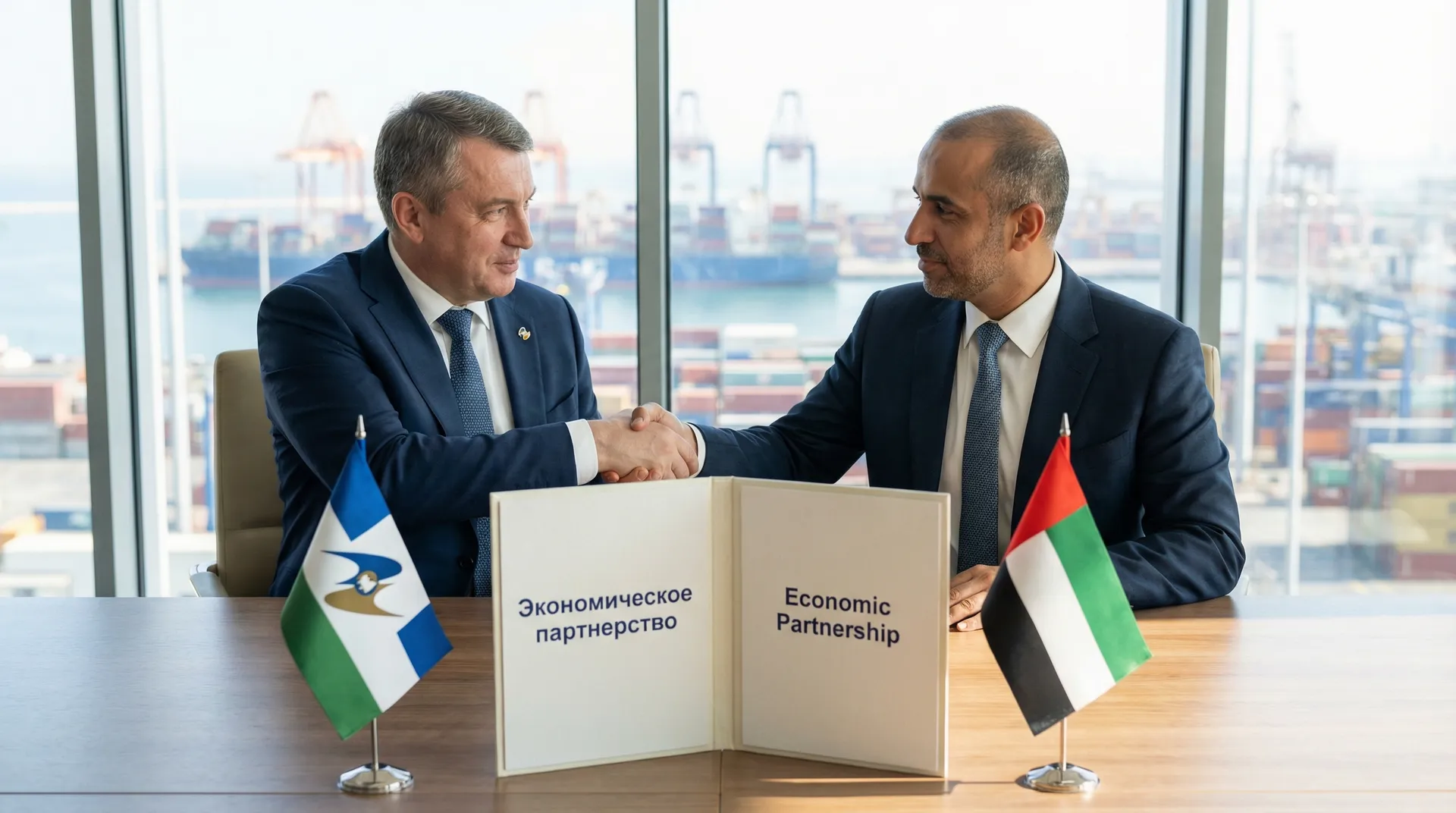
The Government Commission on Legislative Activity has given the green light to a package of international agreements with the UAE: separately on trade in services and investments between Russia and the Emirates, separately on the economic partnership between the EAEU and the UAE. The next step is to submit the documents to the State Duma for ratification.
The key business interest lies in the EAEU–UAE agreement. The project provides preferential terms of trade for more than 85% of the commodity range and closes the most “applied” sections for foreign trade: customs cooperation, electronic commerce, removal of technical barriers, sanitary and phytosanitary rules, protection of intellectual rights and access to public procurement.
Earlier, the Eurasian Economic Commission fixed the parameters of the future regime: "As part of the emerging new trade regime, the Emirati side has opened preferential access to 86% of the product range. The Union's concessions cover 85% of the product range for the partner."
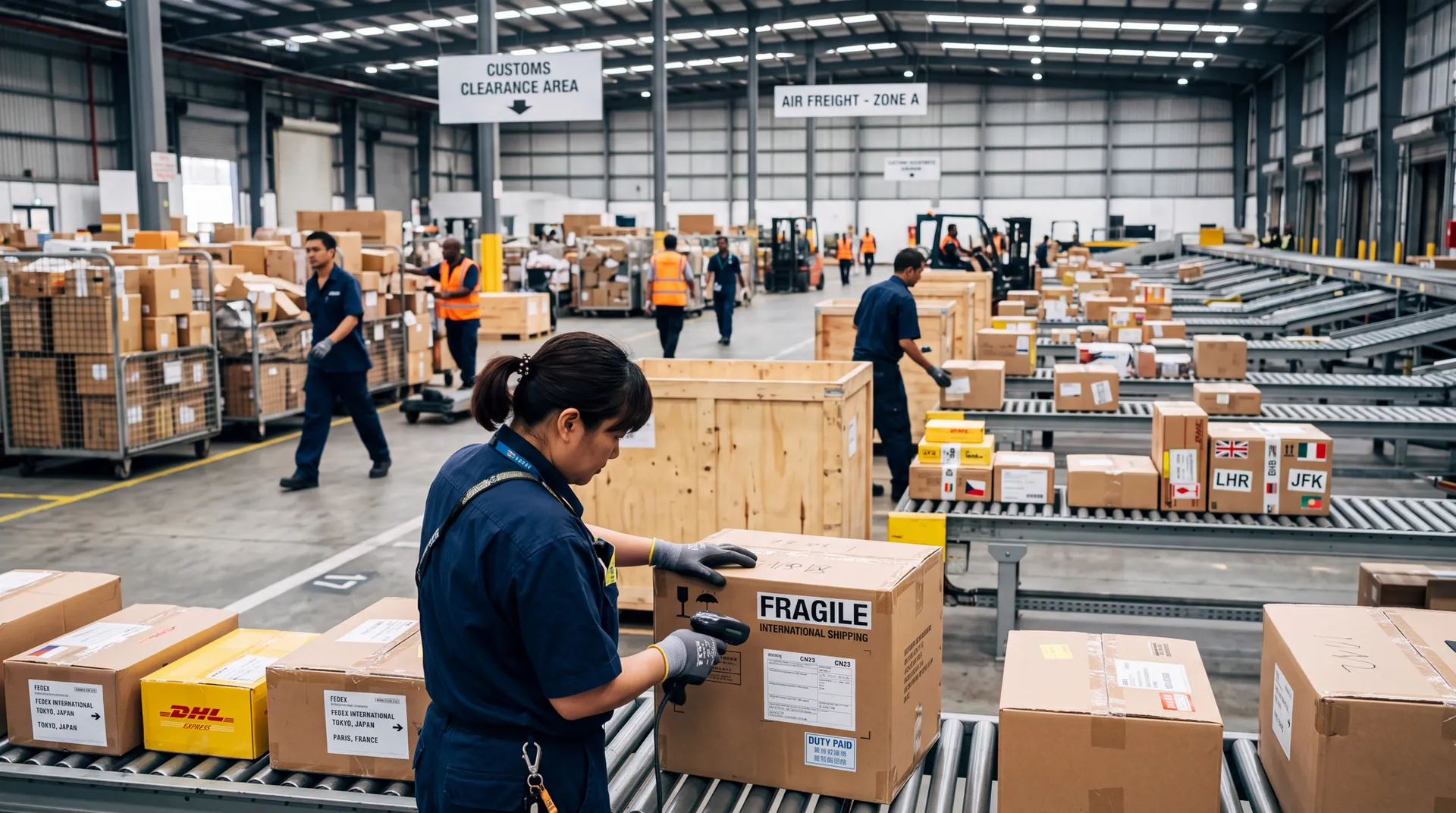
For foreign economic activity, this means a practical decoupling in three sections of the chain. The first section is import duties and costs. The reduction in rates changes the calculation for shipments where the price is sensitive to customs and logistics. The second area is the speed and predictability of procedures. When customs interaction formats are built into the agreement, it is easier to build standard packages of documents for serial deliveries and reduce the number of adjustments. The third section is e-commerce. Separate provisions on e-commerce create the basis for clearer rules in cross-border sales, where returns, labeling, provenance, and documentation are important.
The agreement on services and investments adds a separate layer of opportunities for companies that serve trade: IT support for supply chains, engineering, fleet and infrastructure services, consulting and support. The project descriptions include a direct focus on liberalizing market access and the ability to create presence structures.
For Russia, the UAE remains an important hub on routes to South Asia and Africa, and for some product groups it is also a showcase for regional markets. In practice, the effect of the agreements will manifest itself faster where companies prepare a database in advance: up-to-date codes and descriptions of goods, a proven chain of origin, a clear supply route, a contractual model with partners in the UAE and sustainable logistics through ports and air hubs.