Mishustin made this statement against the backdrop of the BRICS Foreign Ministers' summit in New Delhi. 40% of global GDP — and, according to him, the gap between the BRICS and the G7 will continue to widen amid the restructuring of the global economy and logistics routes.
Ten years ago, this gap looked different. The G7 held about 45% of global GDP, while the BRICS held about 30%. The shift occurred not due to a single event, but due to the accumulated growth of China, India, and Brazil, plus the expansion of the association: from 2024-2025, Iran, the United Arab Emirates, Egypt, Ethiopia, and Indonesia joined the BRICS. The total population of the block exceeded 3.5 billion people.
What's behind it for trading
The growing share of BRICS in global GDP is changing not only statistics, but also its negotiating power. The countries of the association are increasingly promoting their own settlement mechanisms, payment systems and trade corridors. The New BRICS Development Bank is increasing lending to infrastructure projects in its member countries - roads, ports, and railways.
For companies working with partners from China, India, the United Arab Emirates, Brazil, and Iran, this is a backdrop where trade becomes easier: more political will at the government level, more tools for settlements in national currencies, and more infrastructure.
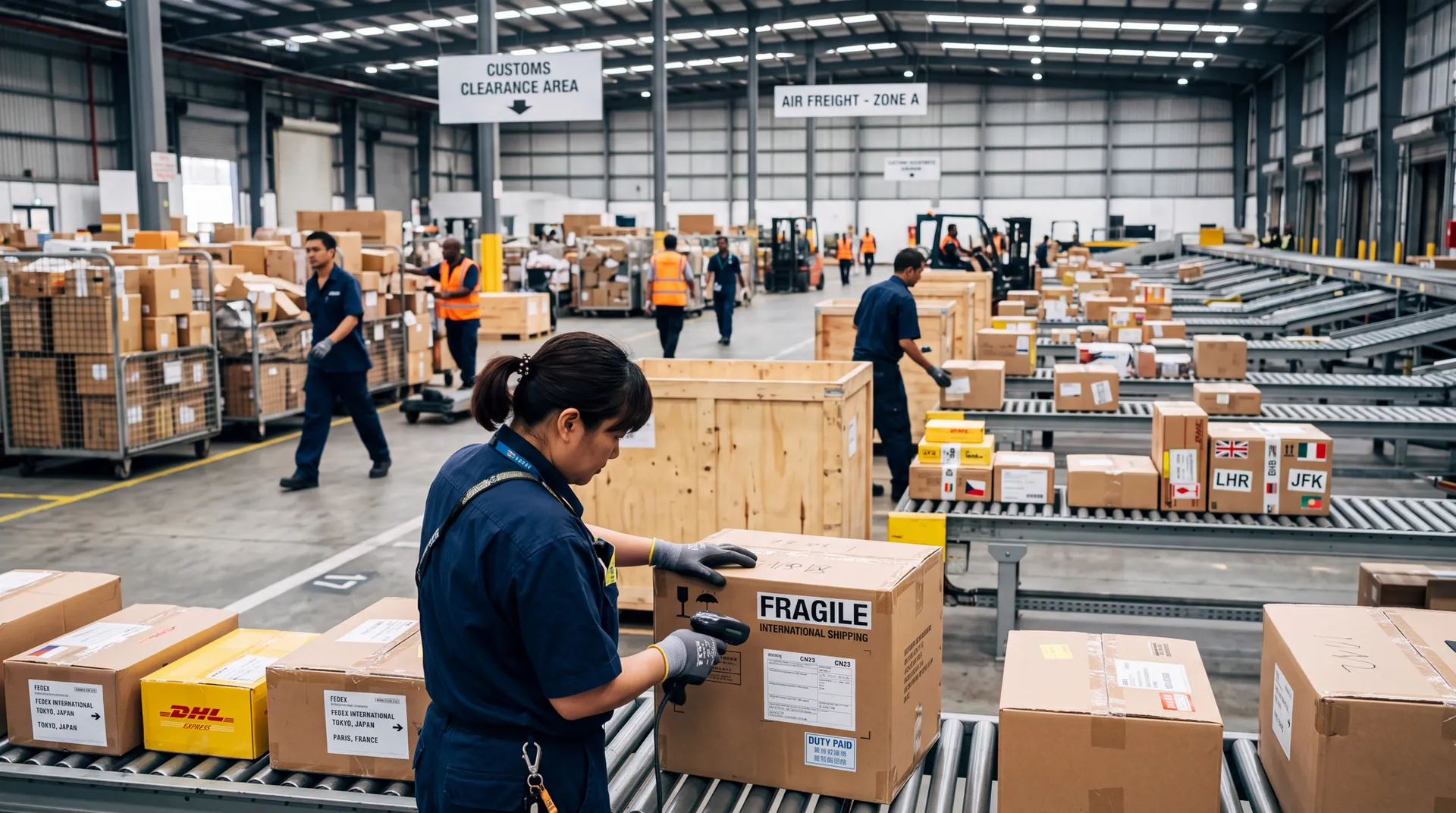
Logistics routes as part of the equation
Mishustin specifically mentioned the restructuring of logistics routes. This is not accidental. The North–South CTC, the Caspian Corridor, routes through Iran, the United Arab Emirates, and Egypt are all infrastructure that is being built precisely within the BRICS perimeter. As the economic weight of the block increases, investments in these routes will only increase.
For Russian business, this means something concrete: alternatives to Western logistics corridors do not just exist — they receive political and financial support at the intergovernmental level.
What to expect next
In 2026, the BRICS summit will be held in India. This is an additional incentive for the development of the Indian direction — negotiations on the FTA, settlement mechanisms and logistics will be intensified. The nearest point is the V Eurasian Economic Forum in Astana on May 28-29, where a session on Eurasian trade and logistics is on the agenda.
40% of global GDP is no longer an argument in favor of "diversification for the future." This is a description of where the trading activity is concentrated right now.