In fact, IKEA is betting on India as a "long market": large-scale demographics, rapid urban growth, and a gradual shift in consumer habits towards organized retail and online shopping. The company explicitly states this in its public rhetoric.
"India is not yet a major market for IKEA… But we have confidence that India will become one of our leading markets in the future," said Patrick Anthony, CEO of IKEA in India.
In the next five years, the money will go to three areas that are critical specifically for foreign economic activity and logistics: expanding the store network, increasing purchases, and accelerating online sales. By the end of the fiscal year ending in August 2025, IKEA's sales in India increased by 6% to 18.61 billion rupees; the goal is to quadruple this figure and bring the number of stores to about 30.
Why this is important is broader than "just retail". IKEA is a giant consumer of transportation capacity: furniture and household goods provide a large volume in cubes, and require discipline in packaging, routing, and warehousing. Expansion in India means an increase in requests for:
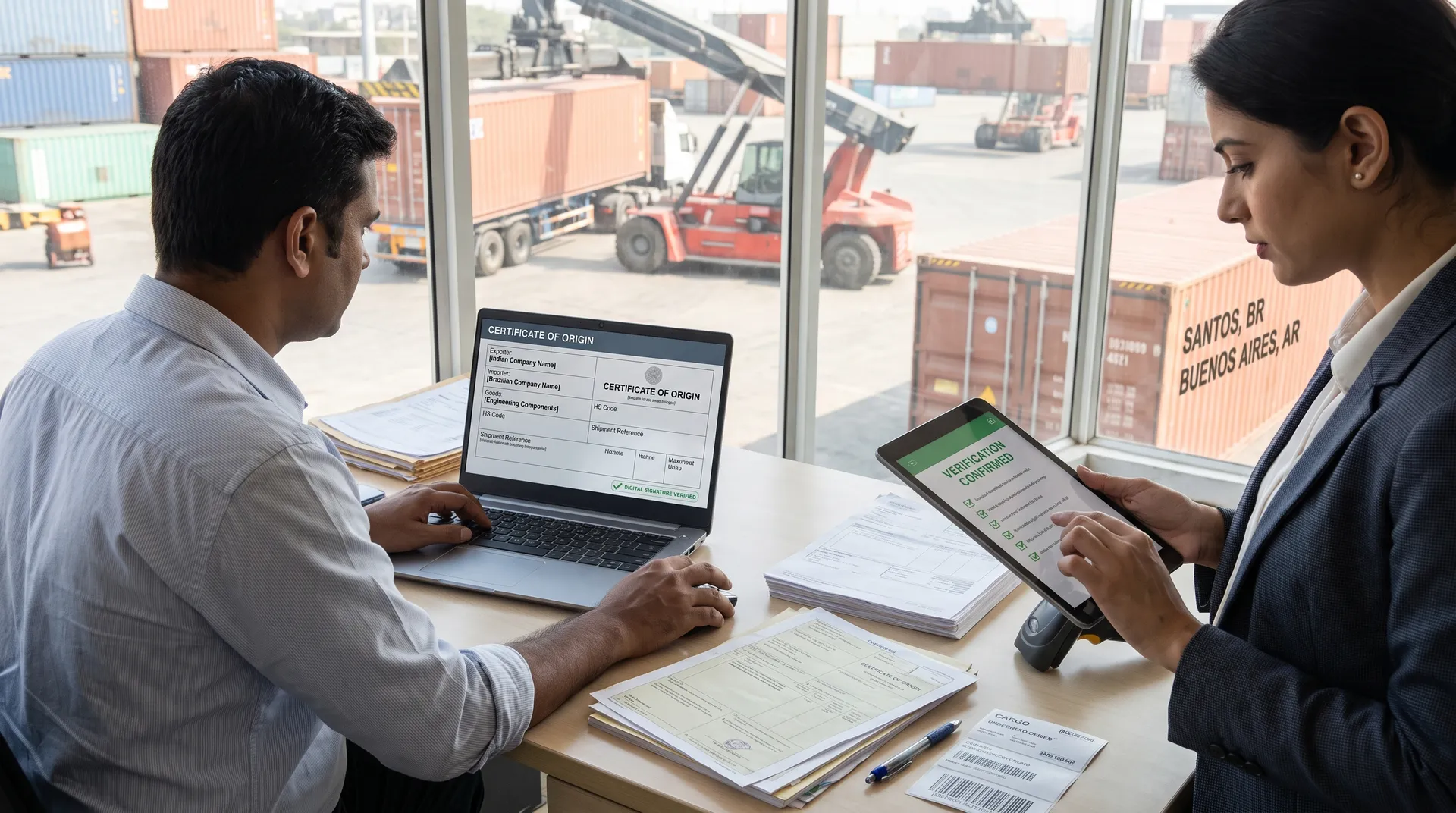
- sea freight and container lines for the imported part of the range;
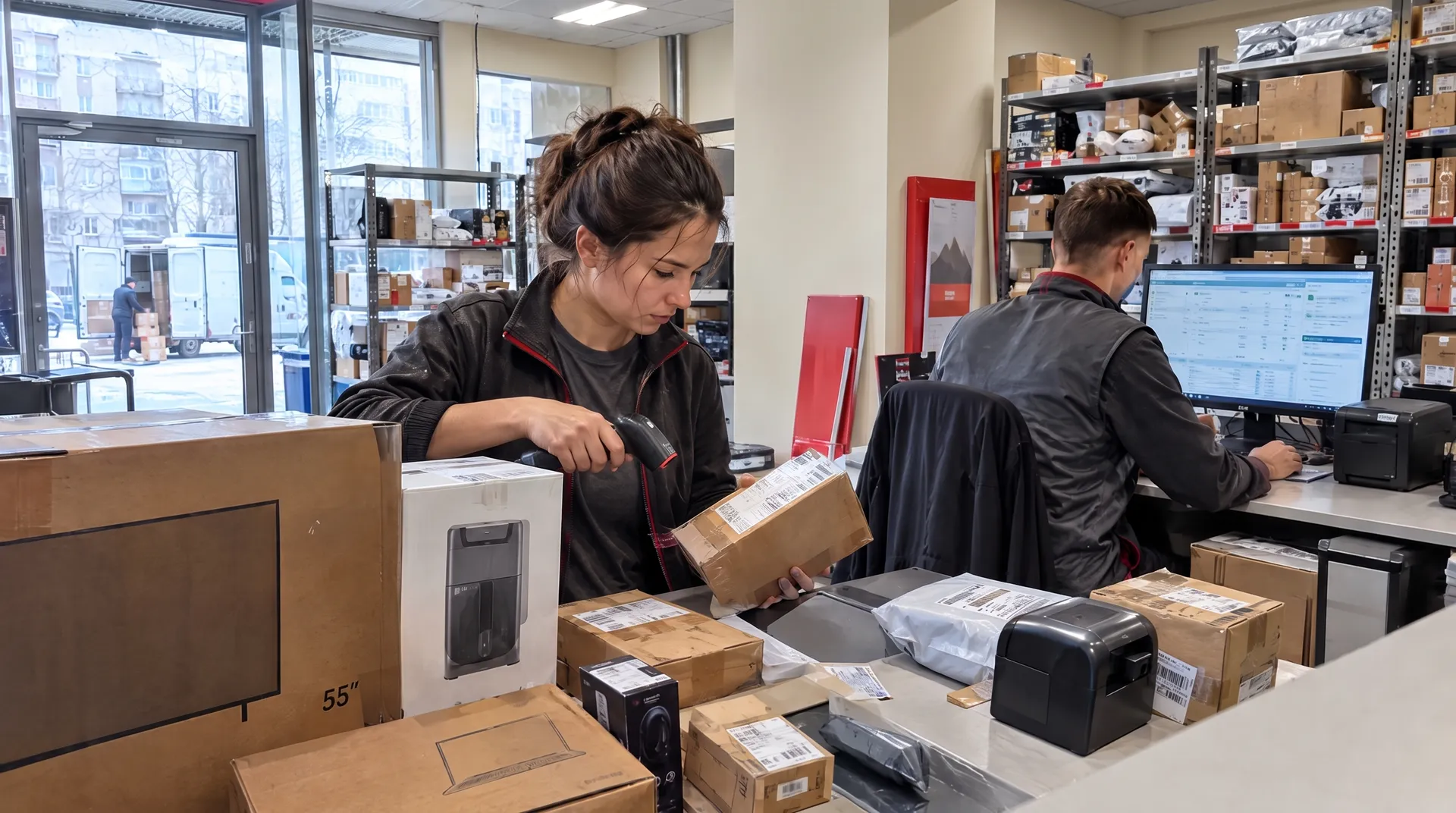
- regional distribution centers and the "last mile" (especially for large sizes);
- reverse logistics (refunds/exchanges), without which online furniture sales stall.
A separate layer is the transformation of India into a more visible sourcing hub. A number of reports indicate a plan to increase local purchases and exports from India (as part of IKEA's global supply chain). This strategically reduces dependence on individual areas and allows you to balance costs by diversifying production. This is a signal for foreign trade participants: Indian suppliers of raw materials, textiles, woodworking and finished products may receive additional demand, and logistics operators may receive more predictable long—term contracts.
The most interesting thing is to bet on the "figure" in new cities. IKEA plans to accelerate online sales and expand delivery in markets where there are no large stores yet. This approach changes the classic "mega-store first, then online" model: now e—commerce can come first, and then a physical point. For logistics, this means the growing role of darkstores/mini-warehouses, partner hubs, and accurate on-time delivery.
The conclusion for the market is that IKEA's investment is not only about new storefronts, but also about the restructuring of product flows in South Asia. India is becoming both a sales market and a potential supply base, which means that the impact of the decision will be felt in freight, warehouse infrastructure and competition among suppliers for years to come.