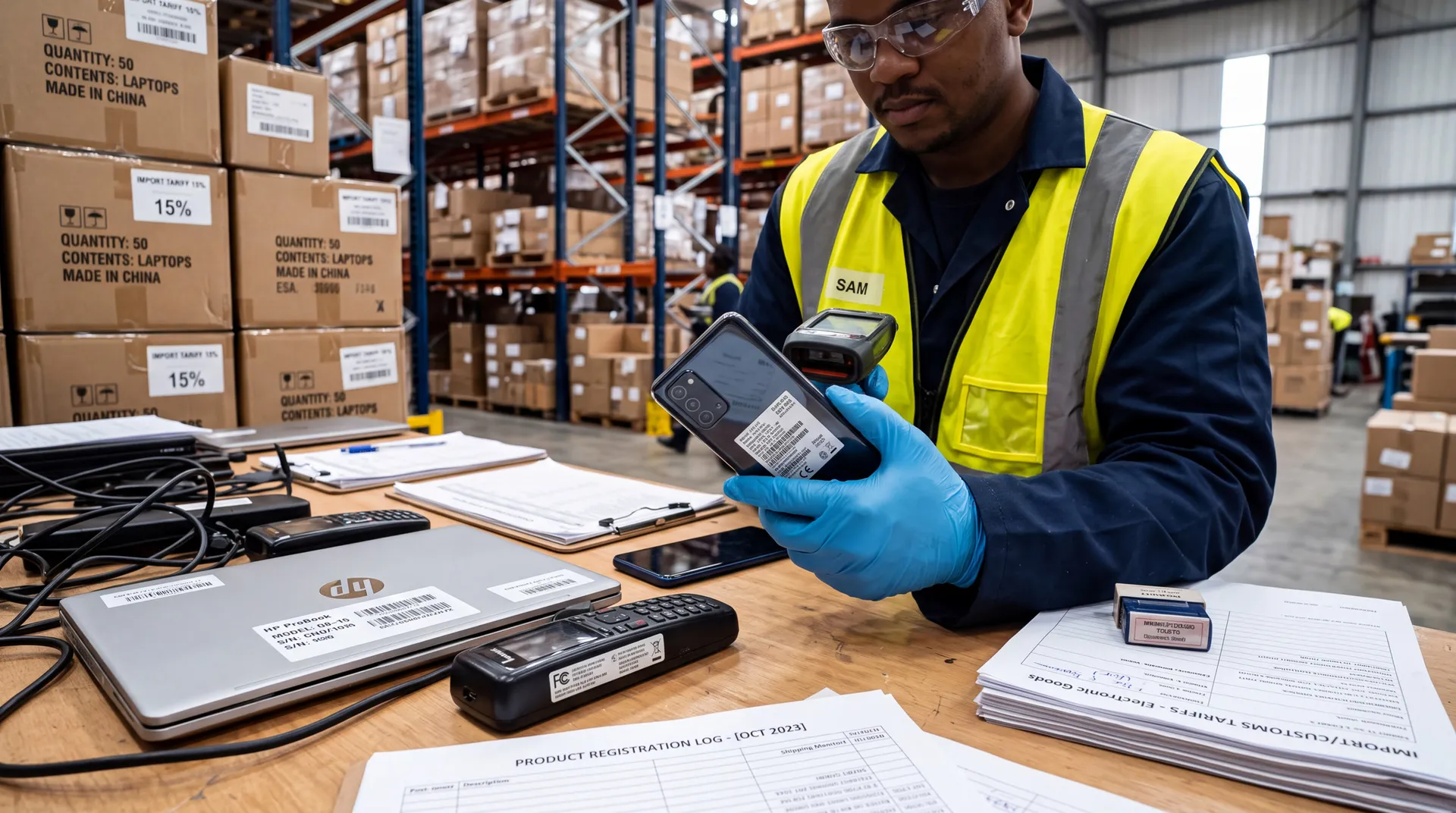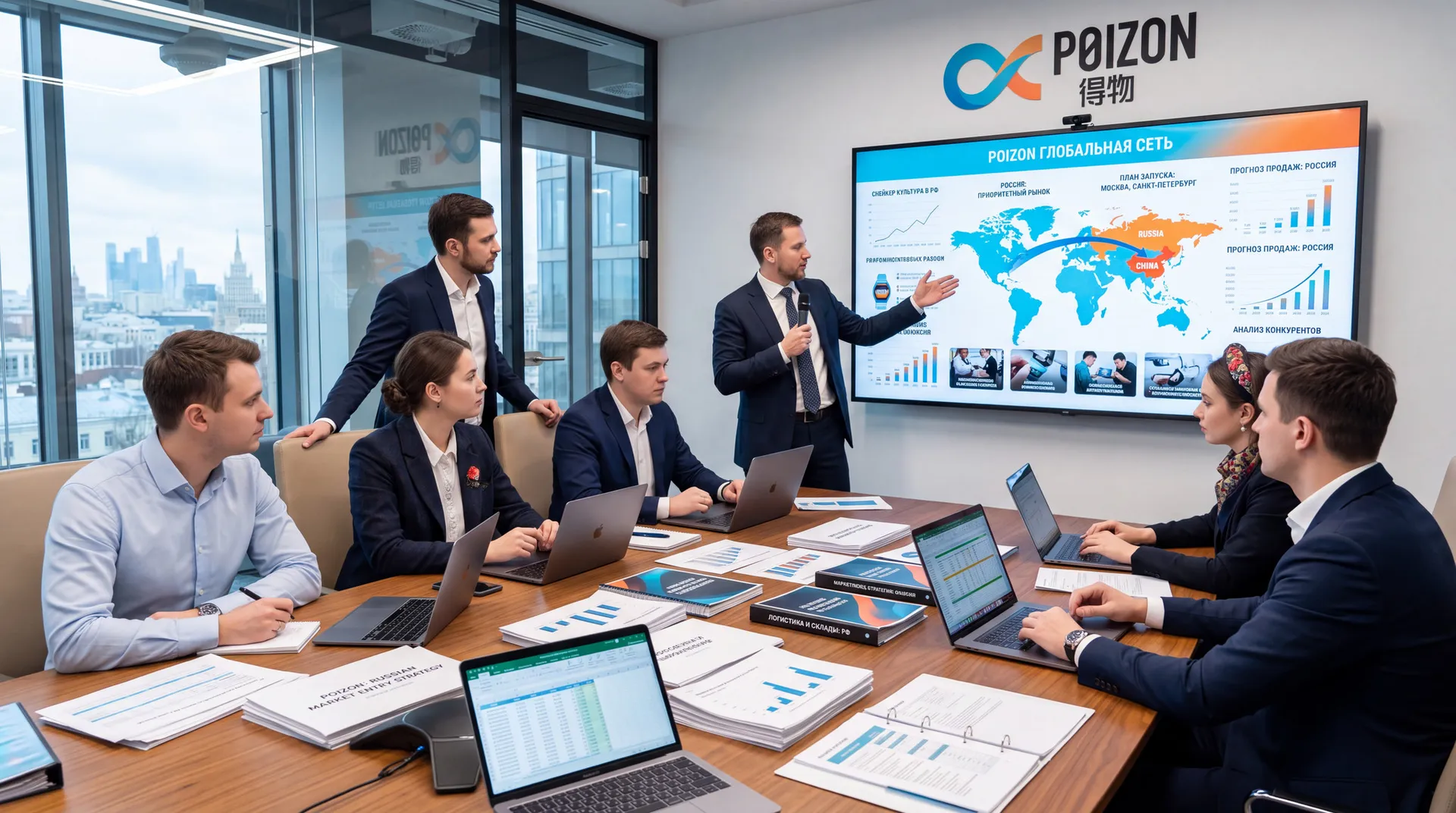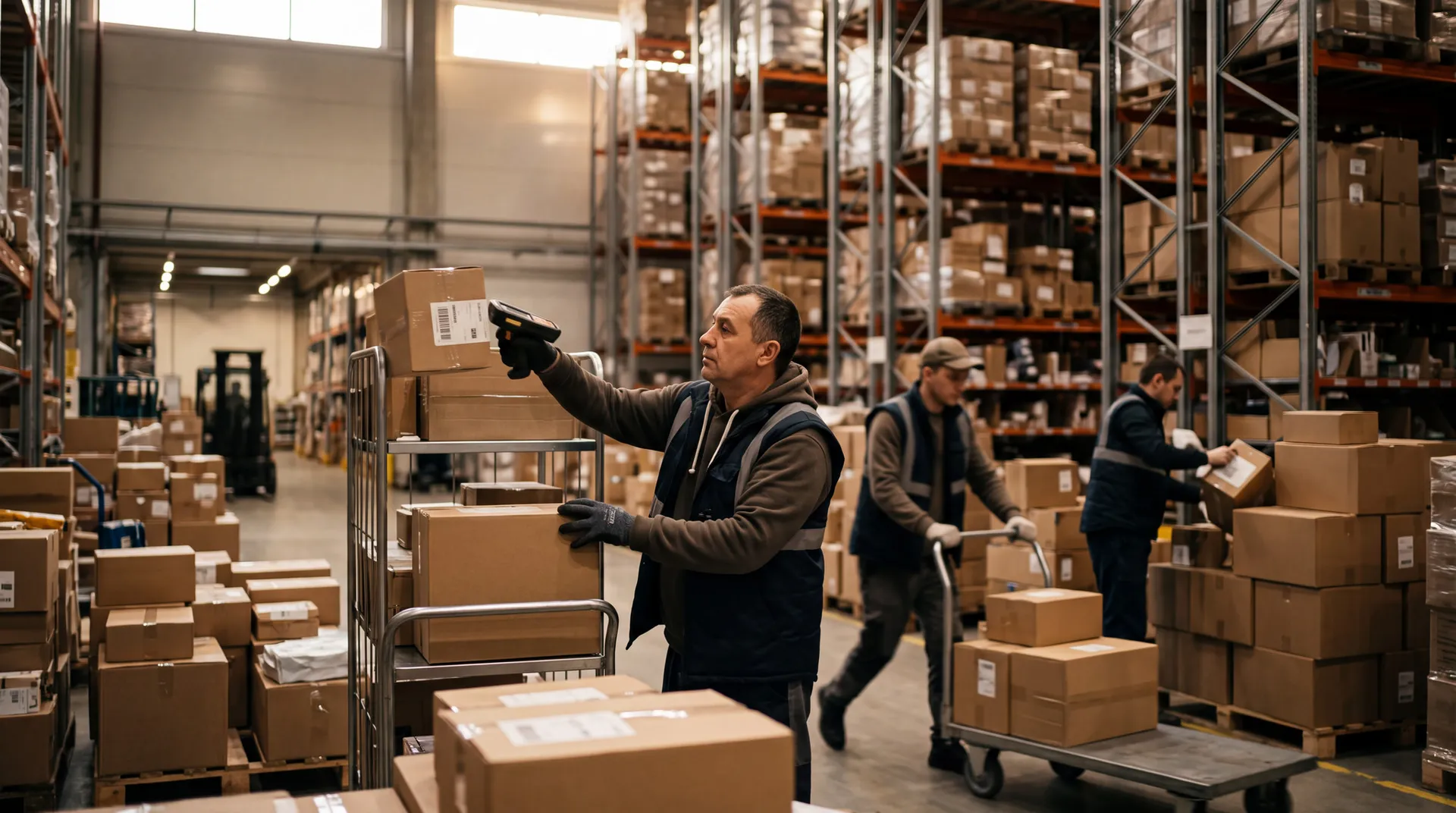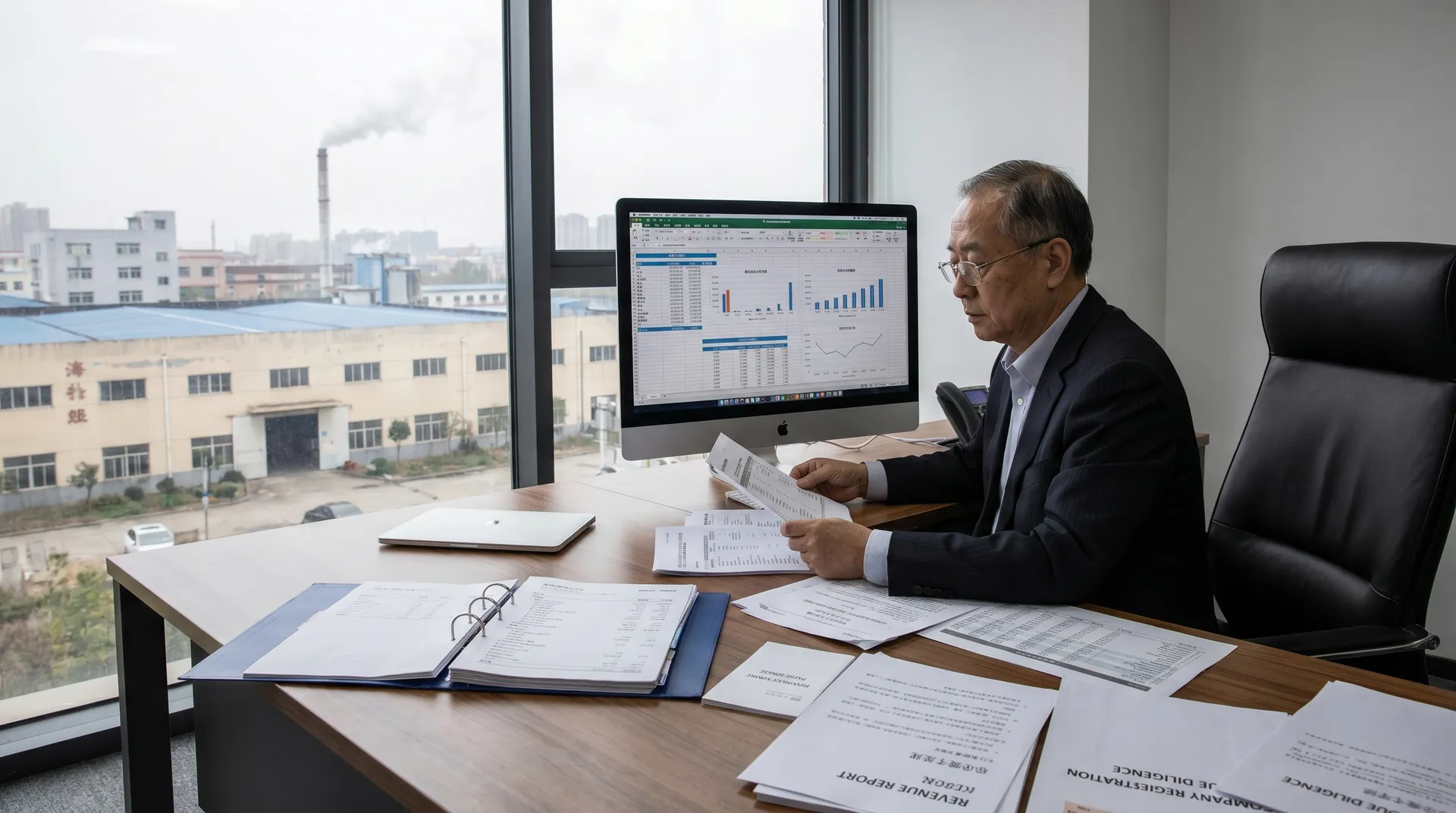
With the rapid growth of e-commerce and fierce competition between sellers on marketplaces, the speed of new product withdrawal is becoming a crucial success factor. One of the largest players in the FMCG sector faced the need to multiply the pace of product card preparation and solved the problem using the AI Product Visuals AI platform from FOKINA.AI .
The task was ambitious — to generate more than 1,000 cards per hour without the involvement of contractors, while maintaining control over the quality of visual content. In the traditional scheme, creating cards takes a long time: several rounds of edits, photographing, adapting to each site, and coordinating between departments. All this stretched the time-to-market for weeks, reducing revenue and slowing product turnover.
The solution included a generator that creates a ready-made card based on a basic image and a text query: with photos, short video previews, texts and automatic adaptation to the standards of the largest marketplaces (Ozon, Wildberries, Yandex Market, etc.). The architecture is based on custom versions of Stable Diffusion and JuggernautXL models, as well as its own pipelines with a module for editing visual, infographics and resizing.
The technical requirements included working within the limits of the security and confidentiality policy, with rights to all created materials, as well as the possibility of full management without external contractors.
The development took 5 months. The first stage involves analyzing more than 10,000 old flashcards to highlight the characteristics of the ideal content. Next— parallel AI setup and infrastructure implementation, followed by trial operation. The result was a scalable solution that eliminated the company's dependence on agencies, reduced content production costs by 73%, and accelerated the launch of new products by 44%.
In addition to reducing costs and time, the company has achieved growth rates: the conversion rate on the card has increased by almost 50%. This has become a critical advantage in an environment where 71% of sellers are confident that visual content directly affects sales. Unlike template solutions, AI Product Visuals ensures the individuality of the cards, their adaptation to the sites and compliance with brand standards.
This case clearly shows: AI in e-commerce is no longer an experiment, but a tool that gives a competitive advantage.