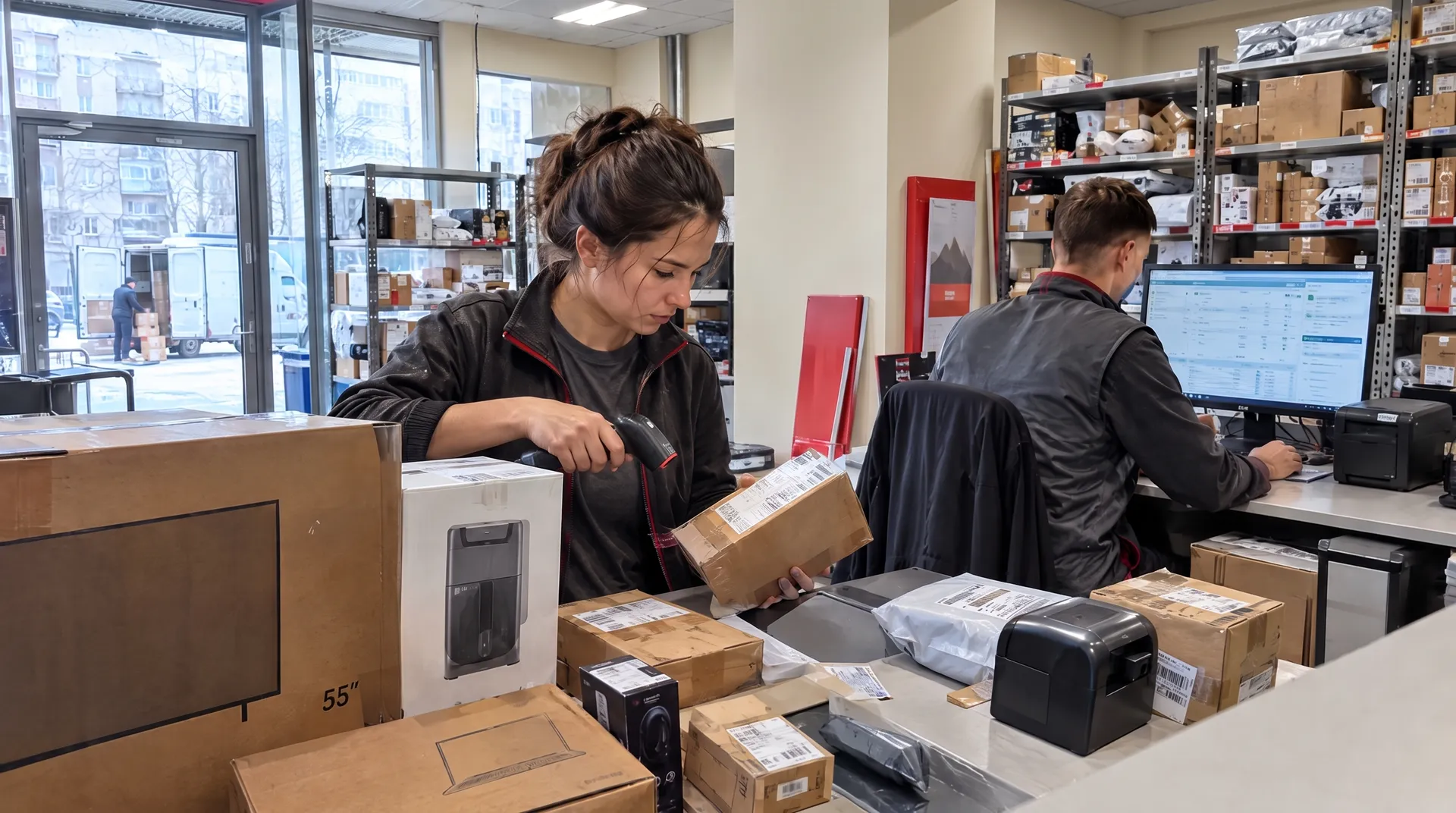
Counterfeiting on marketplaces has ceased to be an abstract problem. According to the authors of the letter, its share in the turnover of individual industries reaches 20-50%. More than half of the counterfeit products are sold online. And first of all, through Wildberries, Ozon and other major platforms.
The letter was signed by 13 executives: Mikhail Akulov, CEO of Hobby World, Juliana Slashcheva, Chairman of the Board of Directors of Soyuzmultfilm, Fedor Korzhenkov, CEO of Economicus, and ten other top managers.
The main thesis is straightforward: marketplaces earn money by selling counterfeit goods, participate in its advertising and influence pricing — but at the same time they hide behind the status of an "information intermediary" in order to avoid responsibility. Copyright holders are deprived of real preventive control tools, and it is pointless to sue foreign sellers: they have neither representative offices nor assets in Russia.
The main source of counterfeit goods is directly named — manufacturers from China and the EAEU countries without Russian registration. It is this scheme that makes it almost impossible to bring violators to justice.
Specific business proposals: to oblige marketplaces to implement automatic card verification during registration; to prescribe the procedure for the seizure, documentation and destruction of counterfeit goods; to oblige foreign sellers to register a legal entity or representative office in Russia; to introduce security deposits, from which the copyright holders will receive compensation.
The reaction of the marketplaces themselves is predictably critical. Wildberries said that a number of proposals look like administrative leaching of foreign products under the guise of consumer protection. Ozon acknowledged the problem of attempts to re-register blocked cards, but pointed to a multi-level control system already in place. Yandex Market reported that their share of counterfeit complaints does not exceed 0.08% of the number of orders.
The Ministry of Economic Development replied that the law on the platform economy, which comes into force in October 2026, already provides for the verification of goods and sellers. The Ministry of Industry and Trade added: from October 1, platforms will be required not to show the buyer cards that have not been checked through the mandatory labeling system.
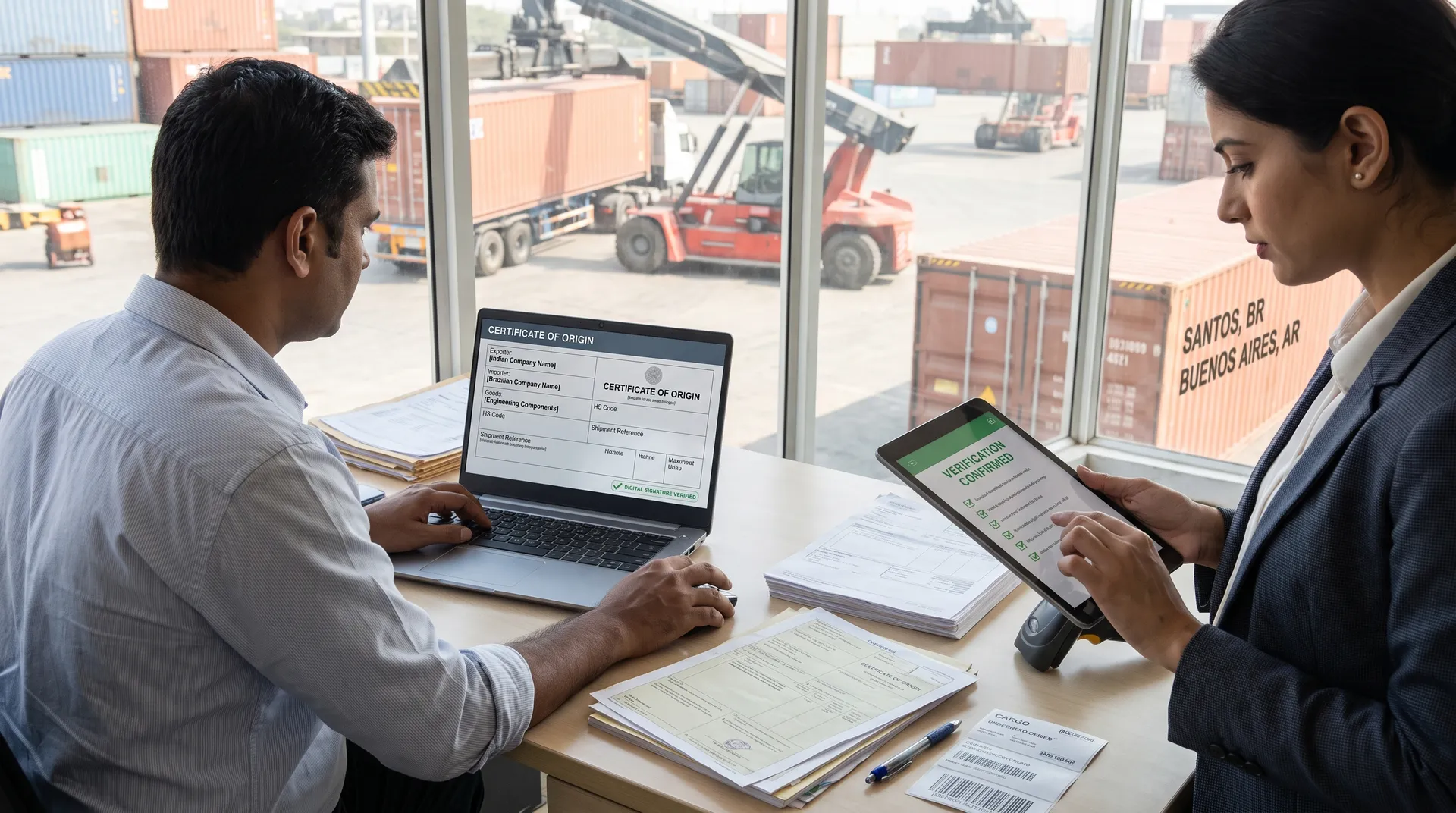
For importers of original products from China and other countries, this is a context that directly affects the rules of the game. The requirements for documentary proof of the origin of the goods will be tightened regardless of which specific proposals from this letter are accepted.