What is happening in the market
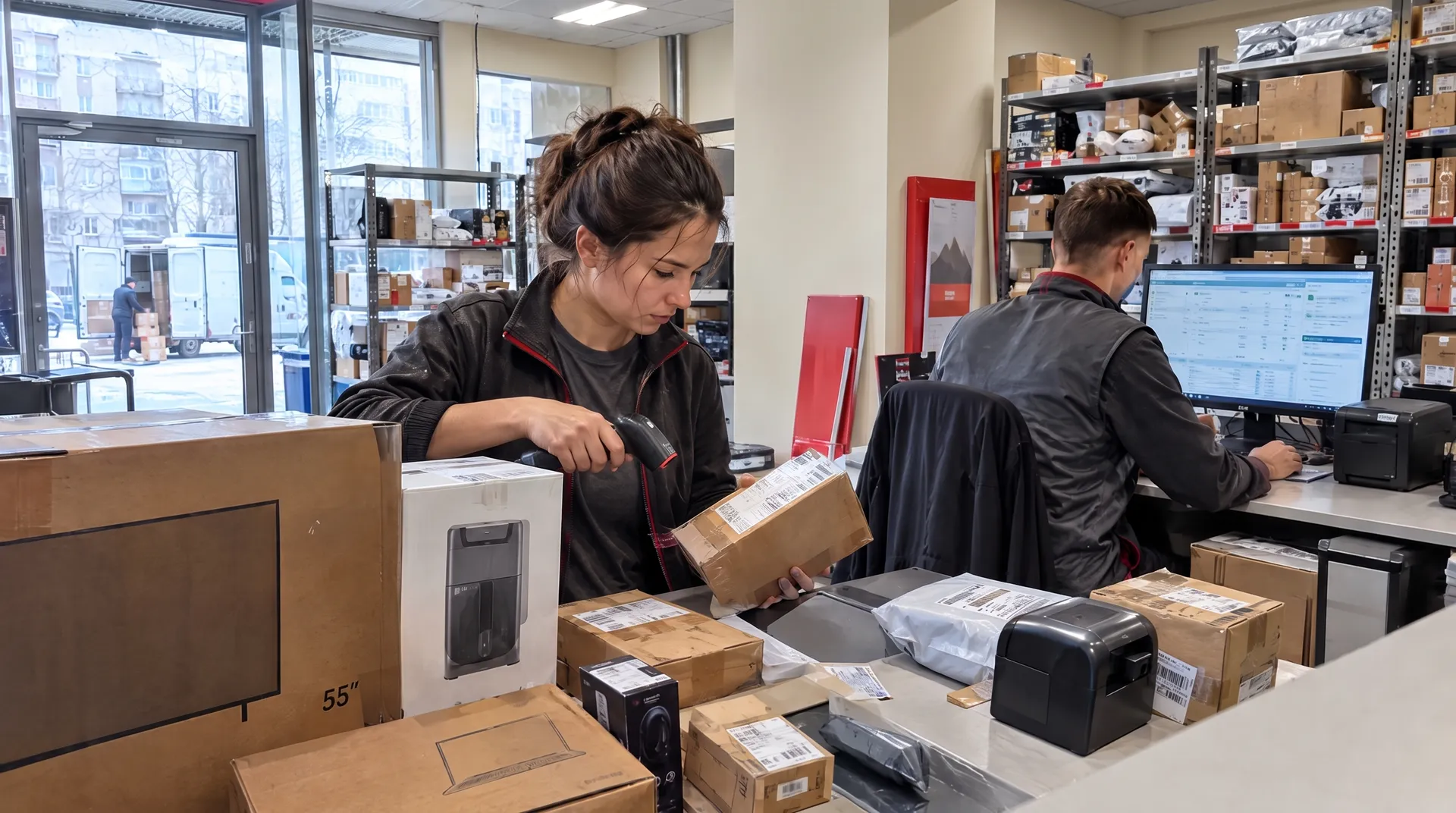
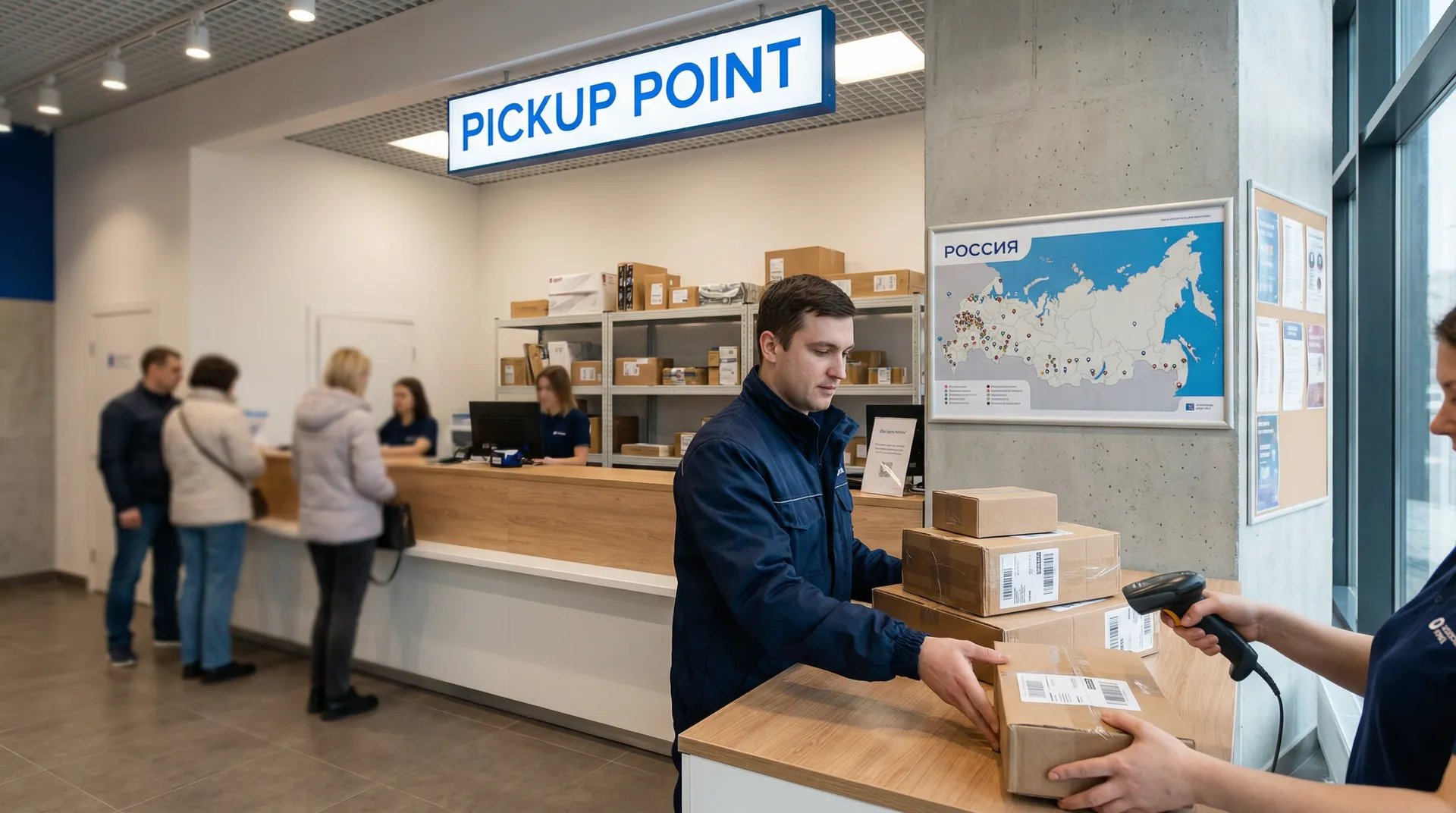
The network of pick—up points in Russia has increased by almost half over the year, to 226.4 thousand points. It is important not only the quantity, but also the geography: the main growth is provided by small towns and settlements, while megacities are growing noticeably more calmly. This means that the market is "catching up" with coverage in the regions: where delivery used to be carried out by couriers and communication offices, now there is a dense distribution grid — cheaper for the platform and more convenient for the customer.
Why has growth accelerated right now
- Expansion into small towns. For the marketplace, the PVZ is the fastest and cheapest "last mile" infrastructure: renting a small room, basic equipment, and an affiliate model.
- Franchising and partner formats. Large sites are scaled at the expense of entrepreneurs: the network is growing rapidly, but competition between locations is intensifying.
- Bid for points in communication offices. The branch-based PVZ model accelerates coverage where commercial rentals are more difficult and traffic is thinly distributed; there are already tens of thousands of such facilities in total.
What do the players' numbers say
The growth of the largest platforms is comparable to the national dynamics: one network has about 94 thousand. PVZ (+43% for the year), for the other — more than 78 thousand according to the results of the third quarter of 2025 (+30% year-on-year, excluding posts and issuance at communication offices). This confirms that the expansion is not going "point-by-point", but systematically — as a struggle for coverage and speed.
Why megacities are "slowing down"
In million-plus cities, the market is closer to saturation: the best locations are occupied, rent is more expensive, and new locations often begin to "cannibalize" neighboring ones — there are not enough orders for everyone. Therefore, growth in the capitals is noticeably lower than the Russian average, even if individual millionaires may show spikes.
What does this mean for foreign economic activity and import chains (BRICS-angle)
The denser the PVZ network, the easier it is for platforms to "digest" the crossborder: import flows (including from Asia) rest not only on customs and the highway, but also on stable delivery to the end customer. PVZS are actually becoming a retail logistics infrastructure: they smooth out peaks in demand, accelerate the turnover of containers/returns and reduce the cost of delivery in the last section. For foreign trade participants, this is a signal: competition is shifting from "just bring" to "bring and distribute quickly," which means the value of predictable deadlines, proper packaging and high-quality return logistics is growing.
What will happen next in 2026
Analysts expect the pace of opening to slow down to about the level of 2024. The reasons are pragmatic: it is more difficult to attract partners, consumer activity is growing more slowly, and platforms are starting to invest more in the quality of service and load alignment between points, rather than in the "address race".
Regulation: turning to multi-brand points
A separate driver of the PVZ economy is the possible transition from a mono—brand to a multi-brand model: a ban on forcing owners to work with only one platform and create discriminatory conditions for a "multi-brand" is being discussed. If the initiative reaches mandatory standards/law, it may increase the profitability of outlets in small towns, where the flow of orders is more dependent on the season and income of the population.