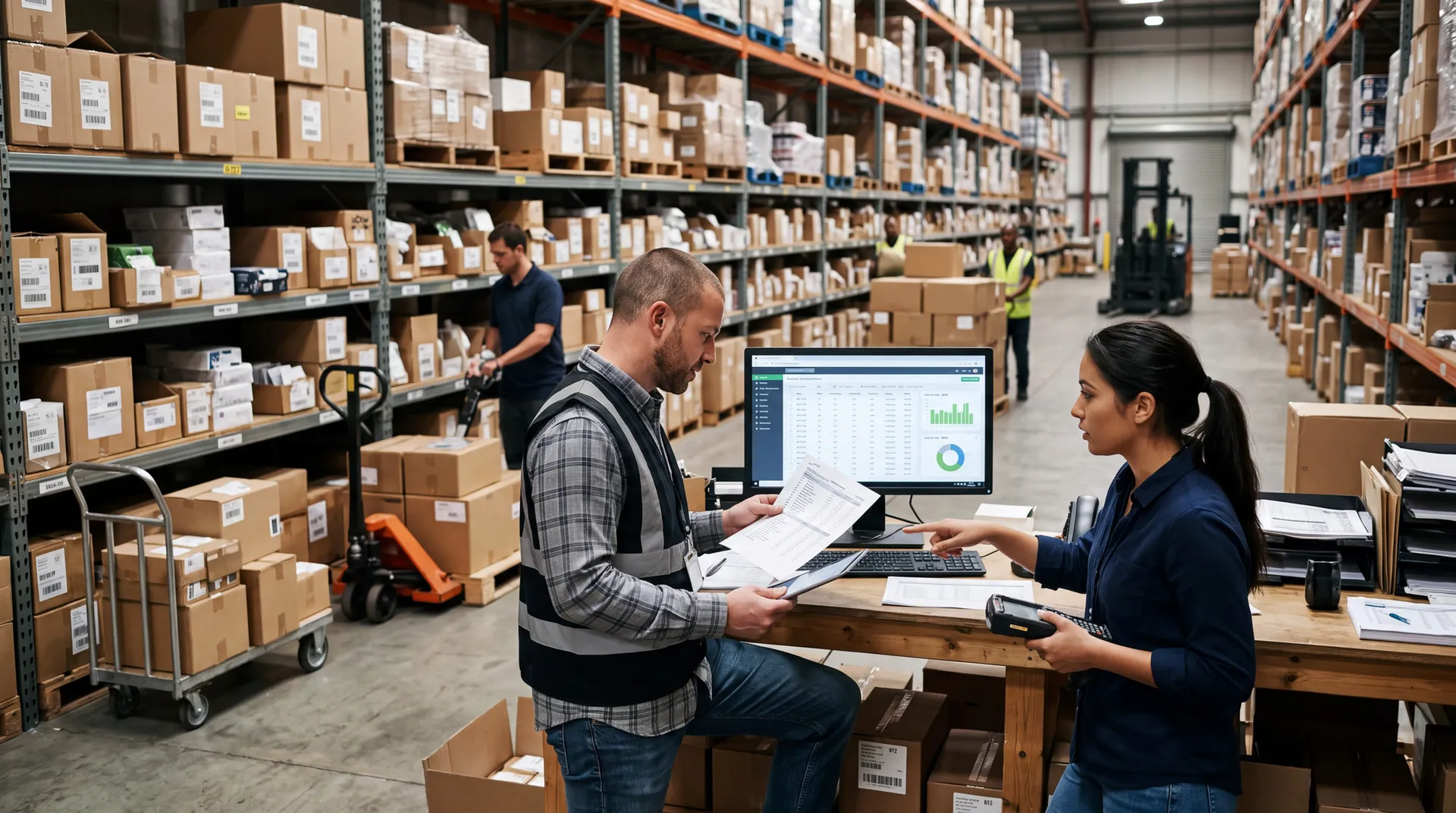
Wildberries is starting to test its own express delivery of everyday goods, a model that has long become the standard in urban e-grocery and is now actively penetrating marketplaces. The service is built around a distribution hub in Moscow: This is not a classic warehouse on the outskirts, but a point closer to residential areas, where the speed of assembly and the shoulder of the courier are critical.
The key signal of the market is the promise of delivery "in 1 hour". The pilot states a limited but “frequent” assortment: beauty products, household chemicals, pet supplies and other items that people are ready to buy without long selection and waiting. At the same time, categories that are risky for the operator are intentionally removed from the model.: perishable and restaurant food. This approach reduces losses, simplifies quality control, and makes it possible to fine-tune operational standards before scaling.
The terms of the order show the economics of the service. Firstly, only prepayment is valid — this is protection against failures and “idle” courier trips. Secondly, a threshold has been set: the minimum amount is 500 rubles, delivery starts from 99 rubles, and with a basket starting from 1,500 rubles, it is free. This is a classic attempt to “collect” the necessary marginality: to encourage a slightly larger check to compensate for the expensive last mile, without making the service elitist.
The operational framework is also important: delivery runs from 9:00 to 22:00, and late orders are postponed to the morning. This means that the company in the pilot focuses on a predictable schedule of demand and a controlled workload of couriers. For the market, this is a practical compromise: round-the-clock operation dramatically complicates staff planning and increases the cost of each delivery.
Why is this important for Moskovskaya Novosti? Marketplaces are moving from the “delivery tomorrow/the day after tomorrow” model to competing for “need now” scenarios: shampoo, powder, and cat filler have run out. In such categories, the winner is the one who covers household needs faster, rather than the one with more product cards. Express delivery turns the app into a “convenience store" — and increases the frequency of openings, retention, and LTV.
If the pilot shows stable assembly and acceptable cost, the next step is a network of microhabs across the districts and the connection of a wider range. But scaling will come down to three bottlenecks: the availability of suitable premises, the shortage of couriers during peak hours, and the accuracy of demand forecasting (otherwise, goods will either be idle or run out). Therefore, in the coming months, the main thing will not be marketing, but the discipline of logistics: SLA for assembly, drain accuracy and last-mile quality.