The container ship GFS Pride, owned by the operator Global Feeder Shipping from the AD Ports group, sank in the Strait of Hormuz. The ship, built in 2008 with a capacity of 2,824 TEU, caught fire after a missile strike about a mile off the coast of Oman and sank under water. All 21 crew members have been evacuated. The company's second vessel, GFS Giselle, 4350 TEU, suffered hull damage, but under its own power reached a safe anchorage.
Both container ships were flying the Singapore flag and were scheduled to arrive in Khorfakkan on Friday. GFS Pride served the Khorfakkan—Fujairah—Karachi line, GFS Giselle operated a service to Nhava Sheva, India. Singapore's maritime ministry called the attacks "unprovoked and unjustified."
GFS Pride became the second vessel lost in the region since the end of February. In September, the Cape Dao bulk carrier sank in the Gulf of Oman. Insurance is also becoming more expensive: in the summer, the broker Marsh estimated the military surcharge for ships in the Strait at 3-10% of the cost of the hull against 0.25% before the conflict. These costs are eventually included in the freight rate.
For Russian importers who transport goods via Jebel Ali, Khorfakkan or by sea from India and Pakistan, the estimated delivery time is no longer guaranteed. A sunken or delayed vessel results in weeks of waiting, disputes with the insurer, and disrupted contracts.
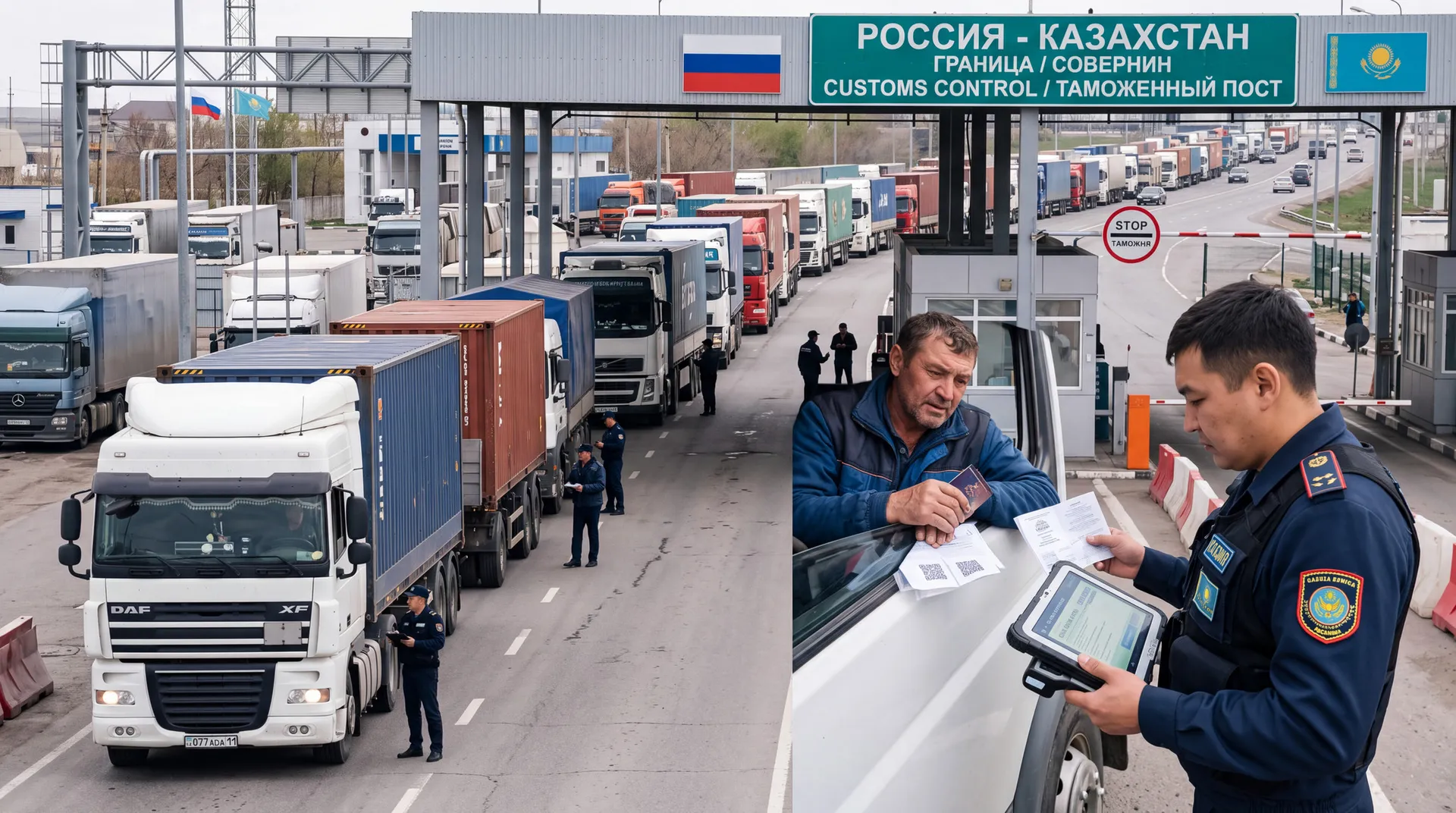
Urgent and expensive shipments should be transferred to air delivery. A flight from Dubai or Mumbai will cost several times more than the sea, but the cargo arrives in a few days, and the cost of the risk is clear in advance. For goods from China and Central Asia, railways and road transport through Kazakhstan and Zabaikalsk remain a working substitute. They are also more expensive than sea freight, but the route runs outside the combat zone.
Before shipping, check whether the cargo policy covers military risks, and ask the forwarder which ports the container will go through. If the route passes through the strait, include a reserve for delivery dates in the contract.
Related materials:
- Cargo insurance: why carriers are forced to pay and what risks can now be "bought" — how to check whether the policy covers military risks
- Air cargo transportation in BRICS: pros, cons and cost — how much does it cost to transfer an urgent shipment to air
- Russian Railways freight tariffs will increase by 8.5% from October 1. What will the railway alternative to the sea cost?