The crisis in the Persian Gulf is reshaping global sea freight rates faster than many expected. The Xeneta analytical platform recorded a 105% increase in spot rates from South Asia to Europe, which doubled in a short period of time.
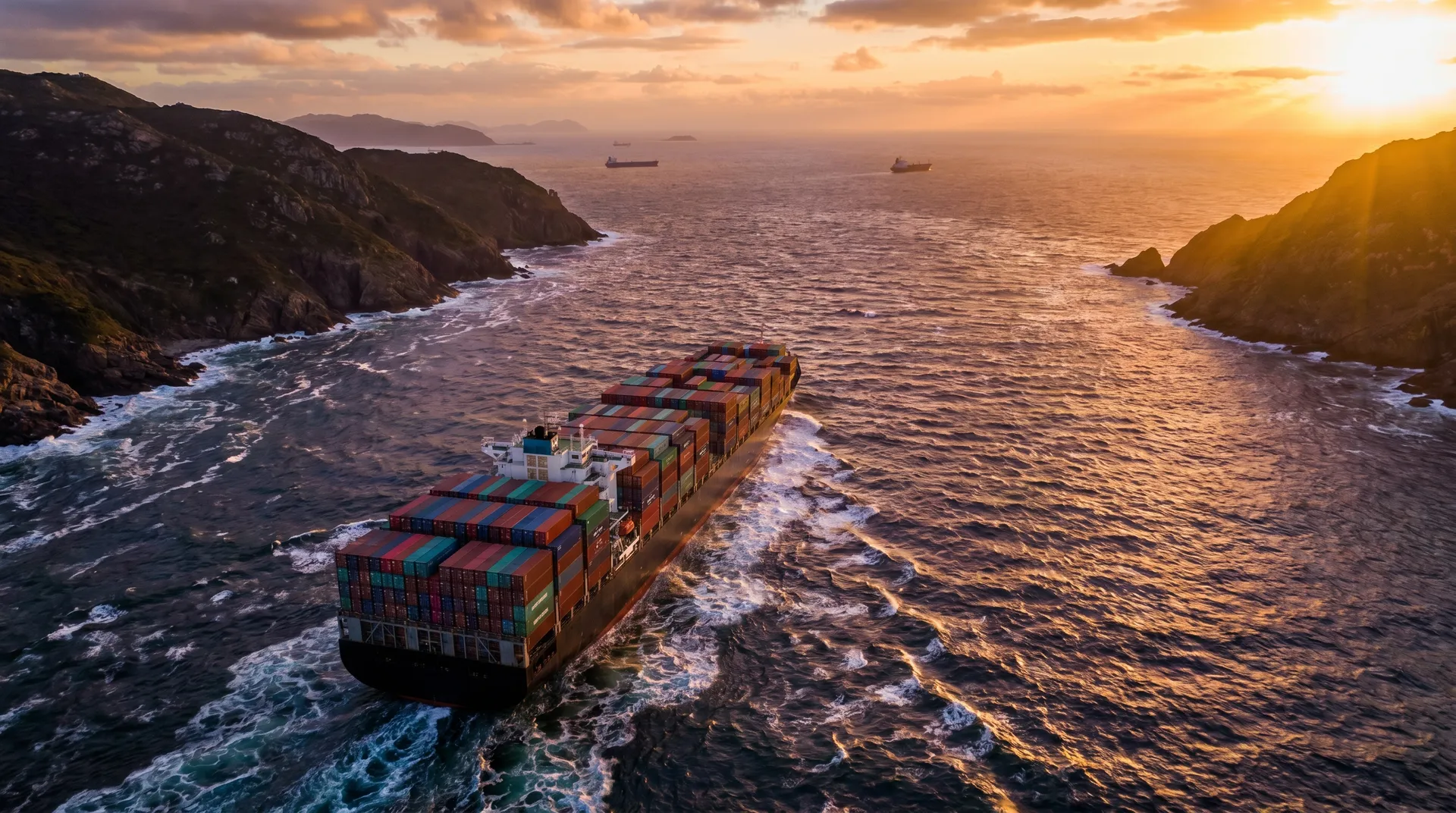
The mechanism is clear: ships that used to sail through the Strait of Hormuz either turn around or do not leave the ports. Alternative routes are longer, insurance premiums are higher, and there are fewer available slots — the rates are rising.
At the same time, the transatlantic direction behaves exactly the opposite way: a decline of 16%. The excess capacity released due to the reorientation of ships from Asian traffic puts pressure on rates there.
For Russian businesses working with suppliers from India, Pakistan and Bangladesh, doubling freight means reviewing financial models. If the delivery was calculated at a conditional rate of $2,000 per container, now it is $4,000. With a margin of 10%, the difference can completely eat up profits.
Xeneta predicts partial recovery in 1-2 months as the fleet is reallocated. However, insurance restrictions remain on routes through the Red Sea and the Persian Gulf, which means that even with lower rates, there will not be a quick return to pre—crisis levels.
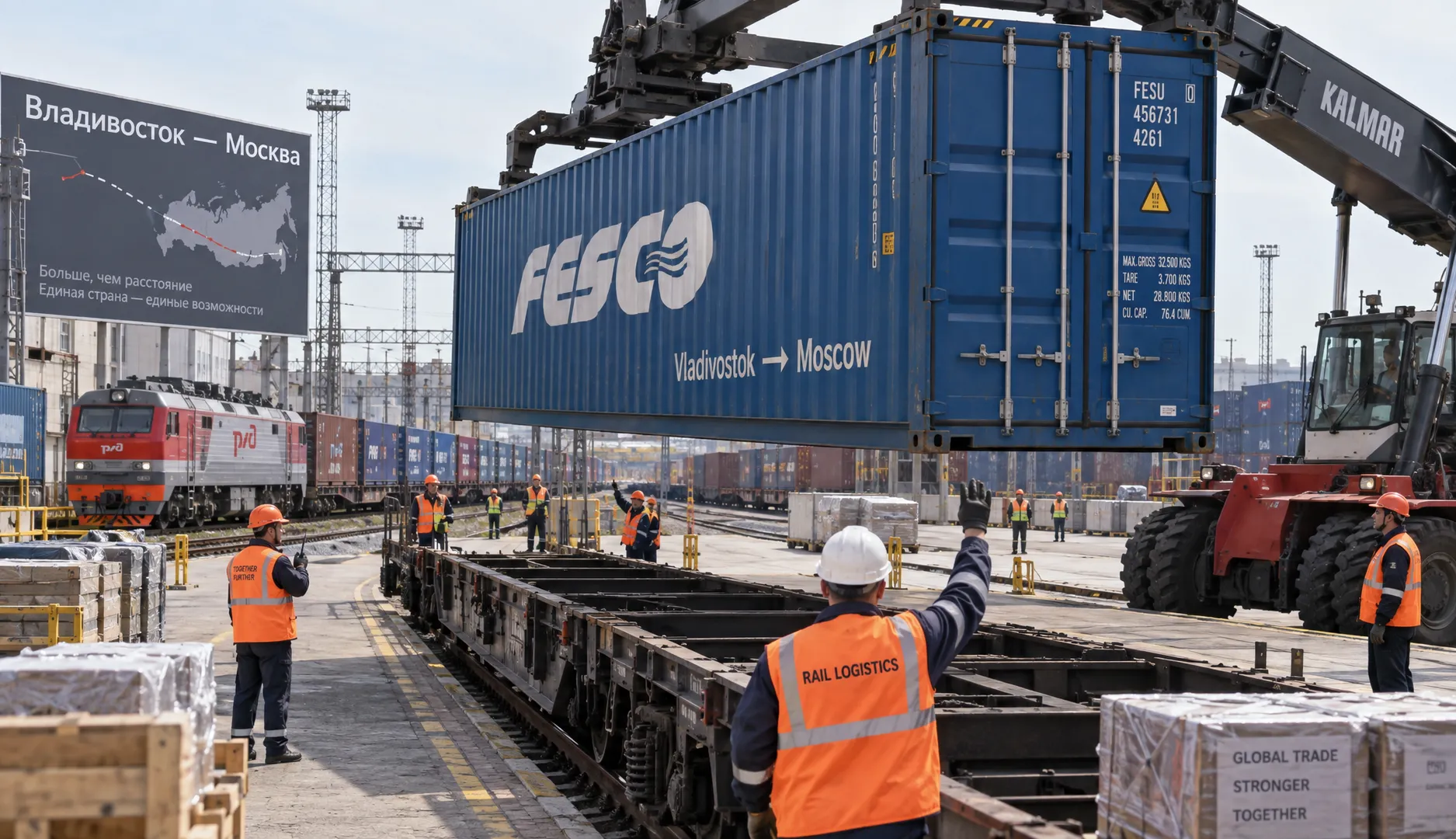
Practical steps for businesses now are to fix long-term freight rates with carriers wherever possible, consider switching part of the shipments to the railway via the Eurasian corridors, and include an insurance premium in the calculation of each shipment from the region.