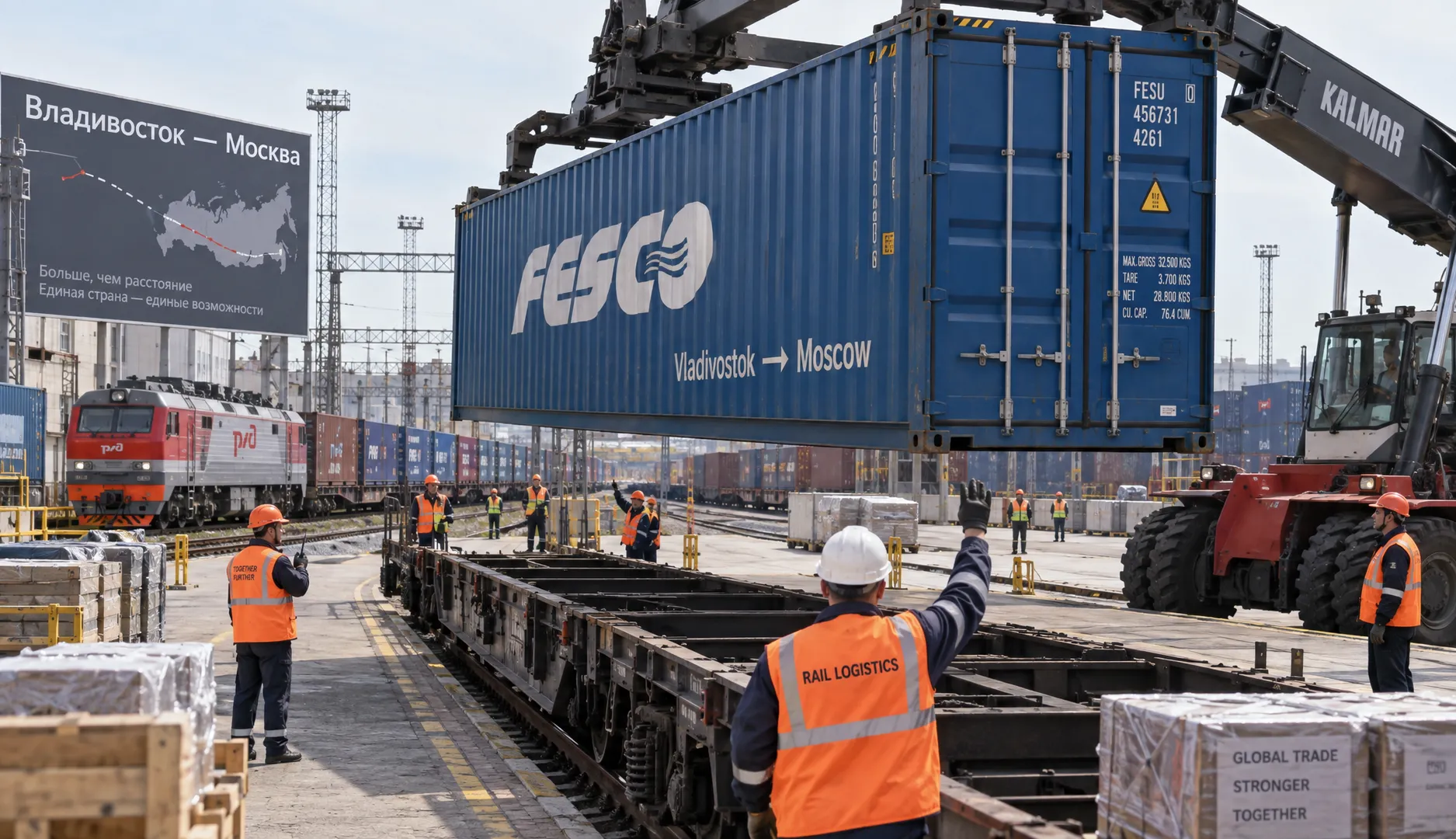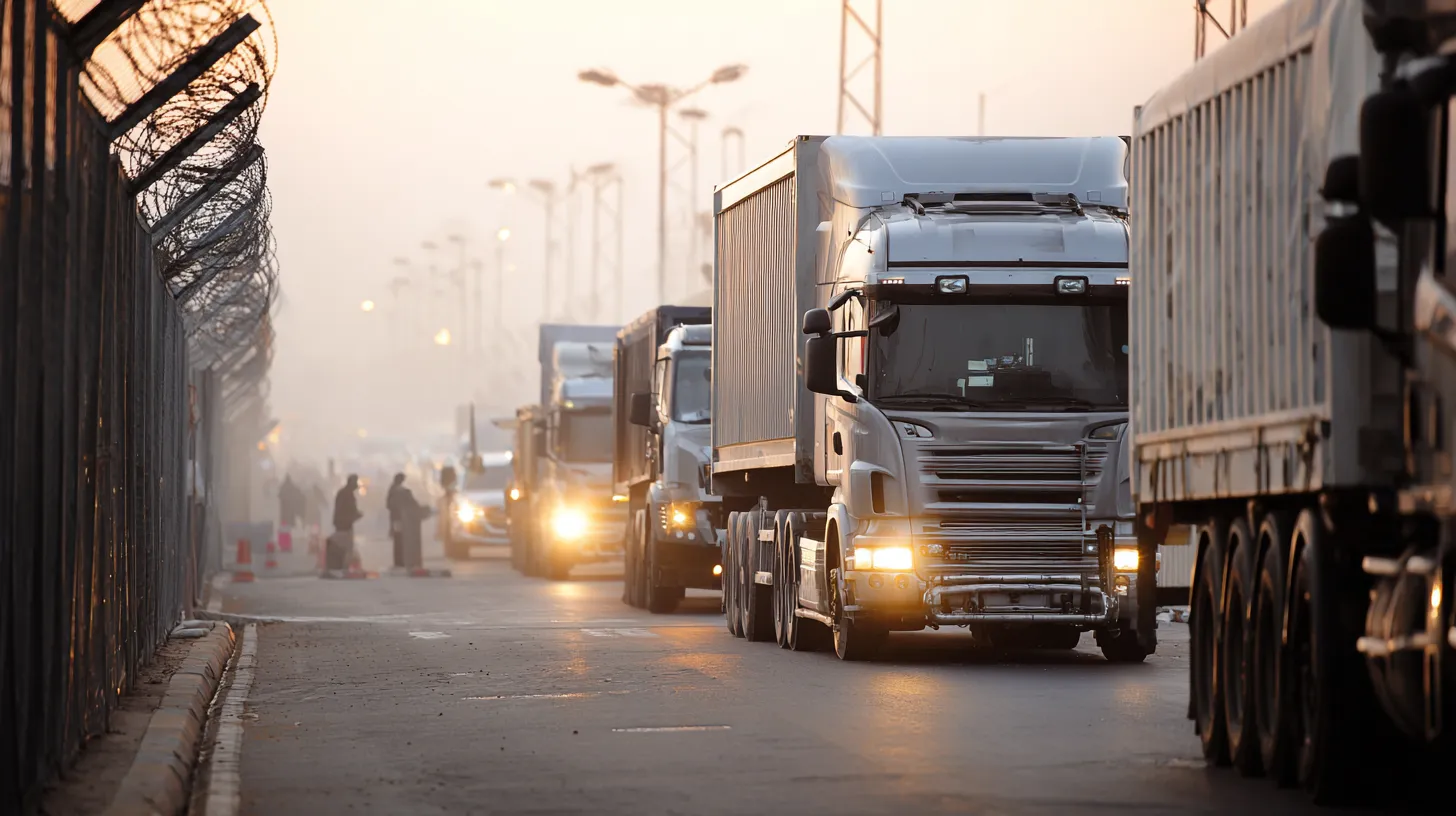
Since the beginning of autumn 2025, the logistics market has faced a significant disruption of "cargo delivery" schemes from China. Trucks loaded with hundreds of millions of dollars were literally stuck at the borders, customers were left without goods, and sellers were left without money. And all this against the background of the active struggle of the customs and border services against "gray imports".
The cargo scheme is one of the most popular mechanisms among sellers of marketplaces and small retailers: small shipments from different suppliers are consolidated in a warehouse in China, then all cargo is processed under a single declaration and moves to Russia. The customer pays one tariff per kilogram, which supposedly includes shipping, customs and logistics. At the same time, sometimes there is not a single document for official customs clearance.
This practice has become especially widespread after the launch of parallel imports in 2022. The cargoes entered through China, then through Kyrgyzstan or Kazakhstan they were sent in transit to Russia without customs clearance. Often, goods were issued under lowered foreign economic activity codes, for example, clothing as textiles, in order to reduce duties.
But now the scheme has started to fail. Huge queues have formed at the borders of Kazakhstan: almost 7,000 trucks with 77,000 tons of cargo have been standing for a month. Cargo operators have already lost about $154 million in services. Many shipments shipped in September have not yet crossed the border, and the product range may lose relevance.
The reasons for the failures lie in the increased control from Kazakhstan and Russia. The customs authorities began intercepting cargo flights, demanding to disclose the manufacturers and accompanying the goods with documents. In China, starting from October 1, exporters need to specify actual plants and volumes, which makes gray schemes vulnerable.
For many sellers, especially in the segment of "small" shipments, cargo is almost the only way of delivery. Investments in full-fledged "white" logistics are sometimes unacceptable. However, as the risks increase — delays, seizures, incomplete compensation for damages — the method loses its appeal.
Stable market players are already switching to white schemes. Companies with a turnover of more than 5 million rubles per month prefer official channels. And those who remain in the "gray zone" will have to experience rising costs, uncertain deadlines, and legal risks.
As a result, the cargo cult, which has long served as a support for small sellers, is increasingly facing economic and legal pressure today. The transition to transparent schemes is no longer an option, but a requirement of time.