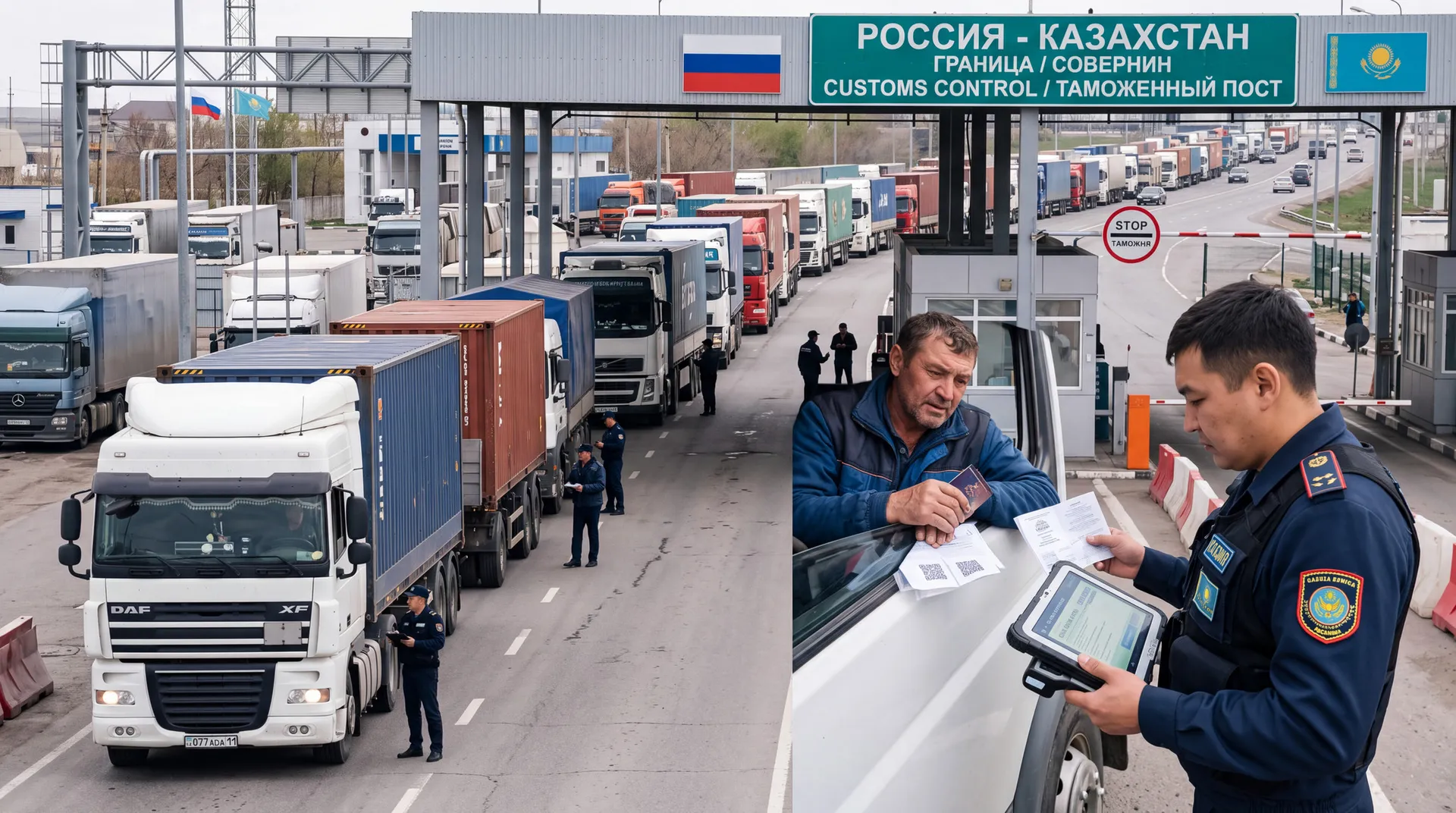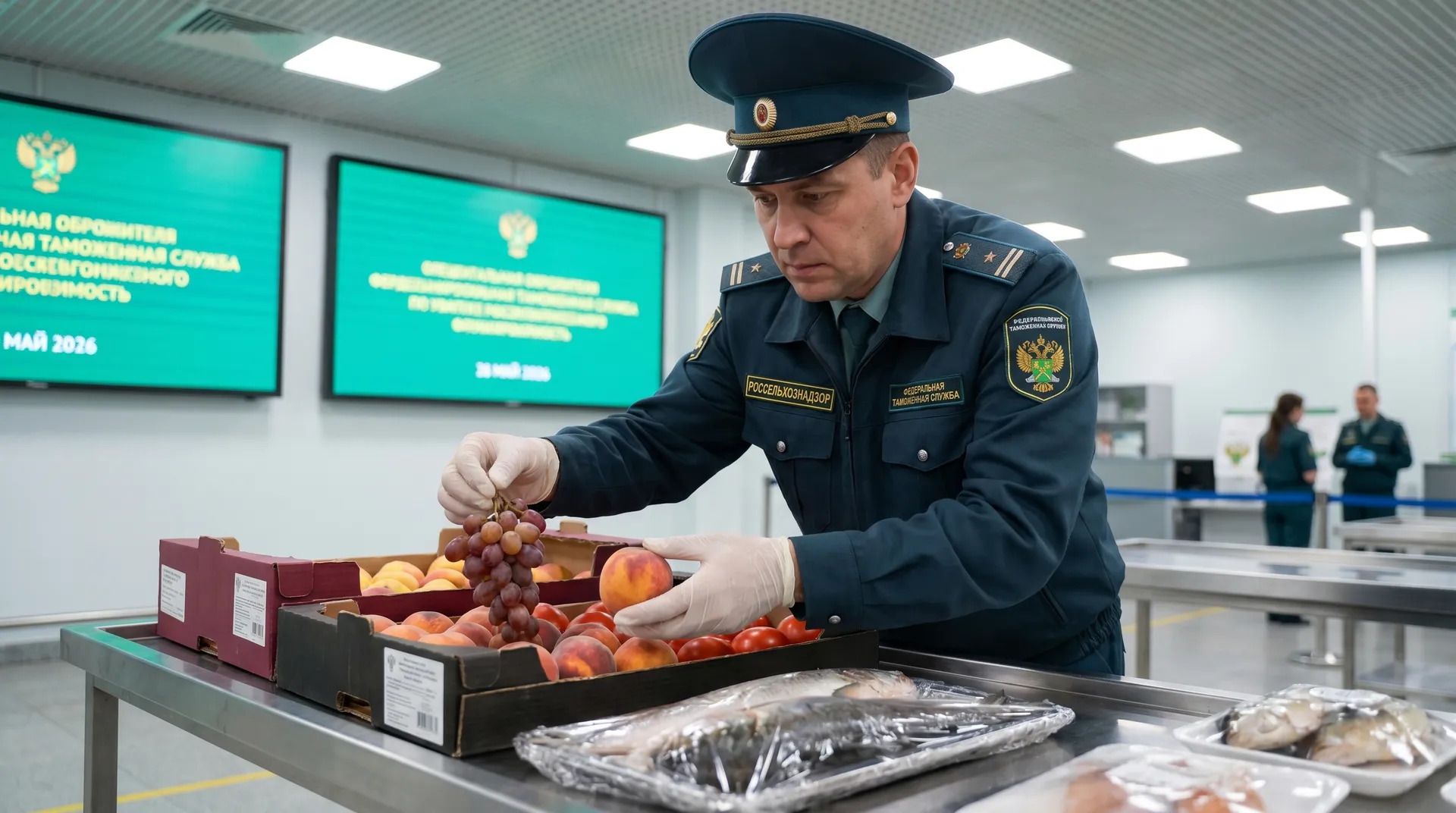
May 22 — flowers. May 30 — fresh vegetables and strawberries. June 2 — stone fruits and grapes. June 3 — sunflower seeds, eggplants, potatoes, dried fruits. June 1 — fish. In ten days, the Rosselkhoznadzor has consistently closed almost the entire range of Armenian agricultural exports to Russia.
Official justification: the results of the inspection of greenhouses and enterprises in Armenia, conducted from May 21 to May 27. Rosselkhoznadzor data on colors: 135 quarantine facilities were identified during the import of 96.2 million pieces — 77% of all detections for the whole of 2025. For vegetables and fruits, there are "a number of violations" that do not allow us to confirm the conformity of products with the requirements of the EAEU.
The head of the department, Sergey Dankvert, did not hide: the problem is systemic. Armenia imports more fruits and vegetables than it produces itself. A significant part of what goes to Russia is re—exported from Iran, Turkey, Israel and EU countries. Phytosanitary control during re-export does not meet the requirements of the EAEU.
The political context
The bans coincided with the deterioration of Russian-Armenian relations before the parliamentary elections in Armenia on June 7. The head of the Ministry of Economic Development of Russia called the ban an exclusively sanitary measure. The Armenian side describes what is happening differently.
According to the Rusprodsoyuz Association, the share of Armenian products in the total volume of Russian fruit and vegetable imports is insignificant — the market will not collapse. But for specific importers and distributors who have built logistics through Armenia, the problem is real.
What should importers do?
For companies that used the Armenian channel to import vegetables, fruits, or fish: switch to direct supplies from Azerbaijan, Uzbekistan, and Morocco. For stone fruits of the summer season — Serbia and North Macedonia through third countries. For fish, direct supplies from Russian fish factories or from Belarus.
For those who used Armenia as a re-export hub for products from closed countries: this channel is no longer working. The next step of the Rosselkhoznadzor is to check the conformity of origin for already imported shipments.