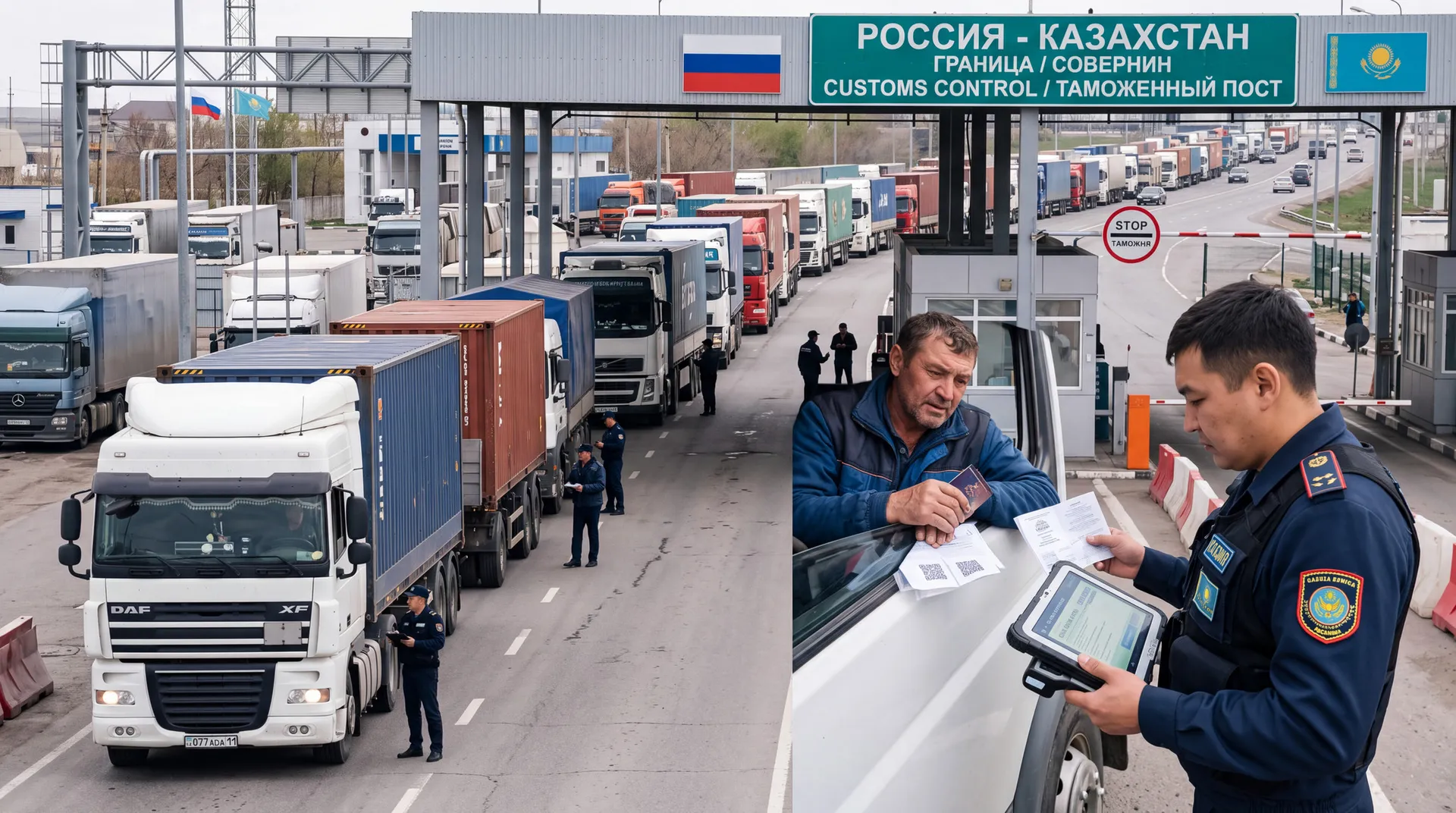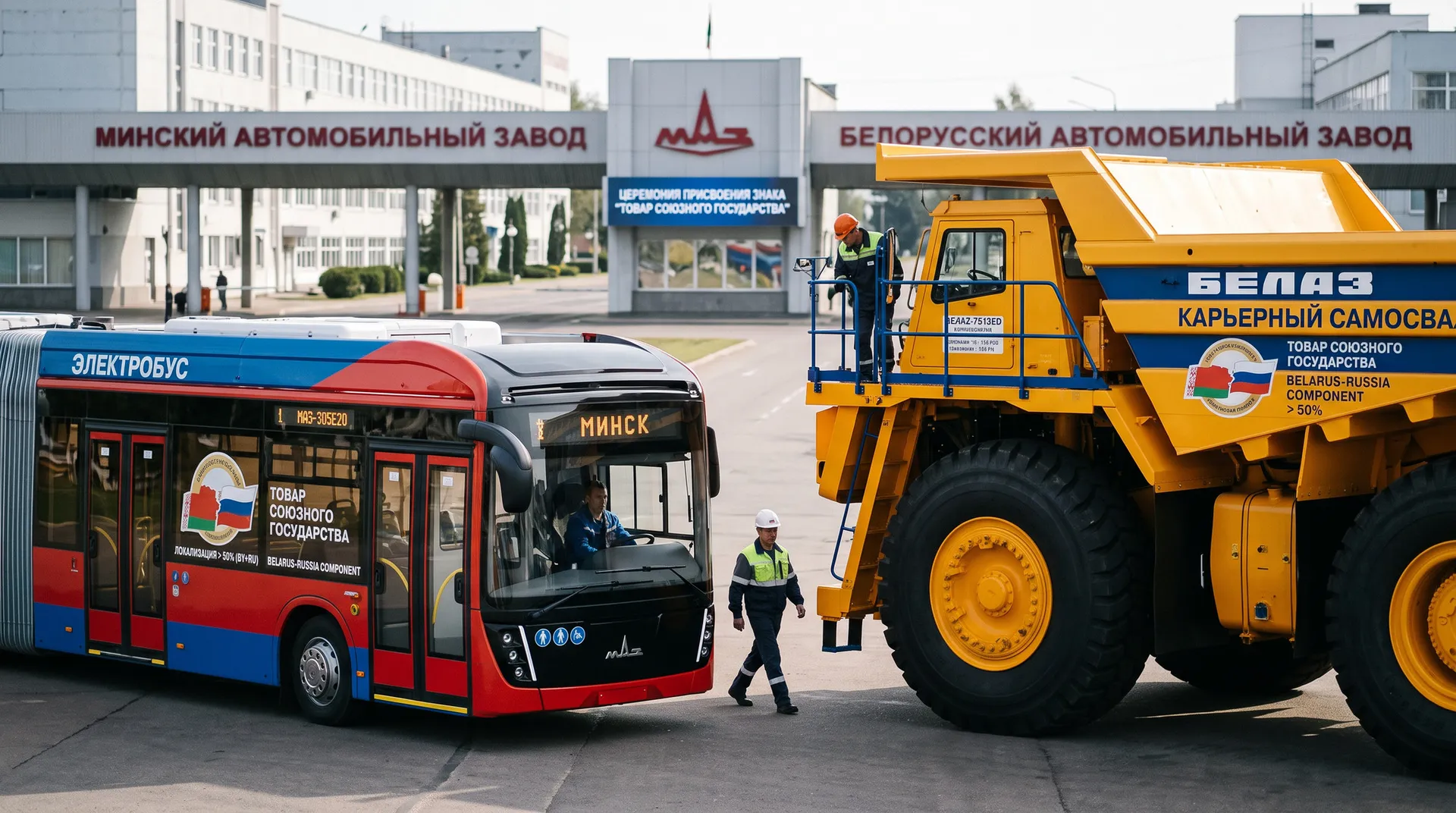
The status covers five priority industries: machine tool manufacturing, microelectronics, production of buses, trucks and special equipment. It is for these segments that the criteria for mark assignment have been developed — each product group undergoes a separate conformity assessment. MAZ and BELAZ became the first in the register, as their products met the established requirements before the others.
The Committee for Standardization and Quality of the Union State has been established to confirm and develop the system. At the same time, a regulation on the procedure for subsidizing products with TSG status is being prepared — financial support for exporters has not yet been launched without an approved document. Work on expanding the list of products continues.
Experts position TSG labeling as a supranational quality mark. In the markets of Asia, Africa and Latin America, it signals the manufacturability of products and their independence from Western jurisdictions, an argument that gained weight after 2022.
From January 1, 2027, according to the results of the pilot project, the TSG status will be available for any product groups. Up to this point, the mechanism remains limited to five industries. Exporters planning to enter the markets of the global South should monitor the expansion of the registry and the conditions of subsidies — a provision on financial support should appear before the start of the universal stage.
Related materials:
- The goods of the Union State will be highlighted on marketplaces with a separate button — as the status of the goods of the Union State will be shown to customers
- From July 1, imports in public procurement are subject to new restrictions under 44—FZ and 223-FZ. What are the advantages of the national regime in public procurement
- How to enter public procurement: requirements, advantages, and where to get money for participation and execution — how can a manufacturer use its status in public procurement