• USD/RUB USD/RUB 85.46
  • EUR/RUB EUR/RUB 99.25
  • CNY/RUB CNY/RUB 12.74
  • Bitcoin Bitcoin BTC $76917
  • Ethereum Ethereum ETH $2415
  • Ripple Ripple XRP $1.36
  • Solana Solana SOL $99.02
  • Cardano Cardano ADA $0.21
  • USD/RUB USD/RUB 85.46
  • EUR/RUB EUR/RUB 99.25
  • CNY/RUB CNY/RUB 12.74
  • Bitcoin Bitcoin BTC $76917
  • Ethereum Ethereum ETH $2415
  • Ripple Ripple XRP $1.36
  • Solana Solana SOL $99.02
  • Cardano Cardano ADA $0.21

China-Europe railway transit through Russia increased by 40 percent

China-Europe railway transit through Russia increased by 40 percent
Most Popular
10.09
Exhibition of Chinese goods opened in Minsk
10.09
Since October 1, the procedure for importing traceable goods from the EAEU has been changing.
10.09
Ozon rented 60,000 sq. m. m in New Moscow for a new hub
10.09
Retail trade: new rules from September 1, 2026
09.09
VTB gave sellers a 70% discount on marketplace packages
09.09
Wildberries will refund the commission overpayment to FBS sellers
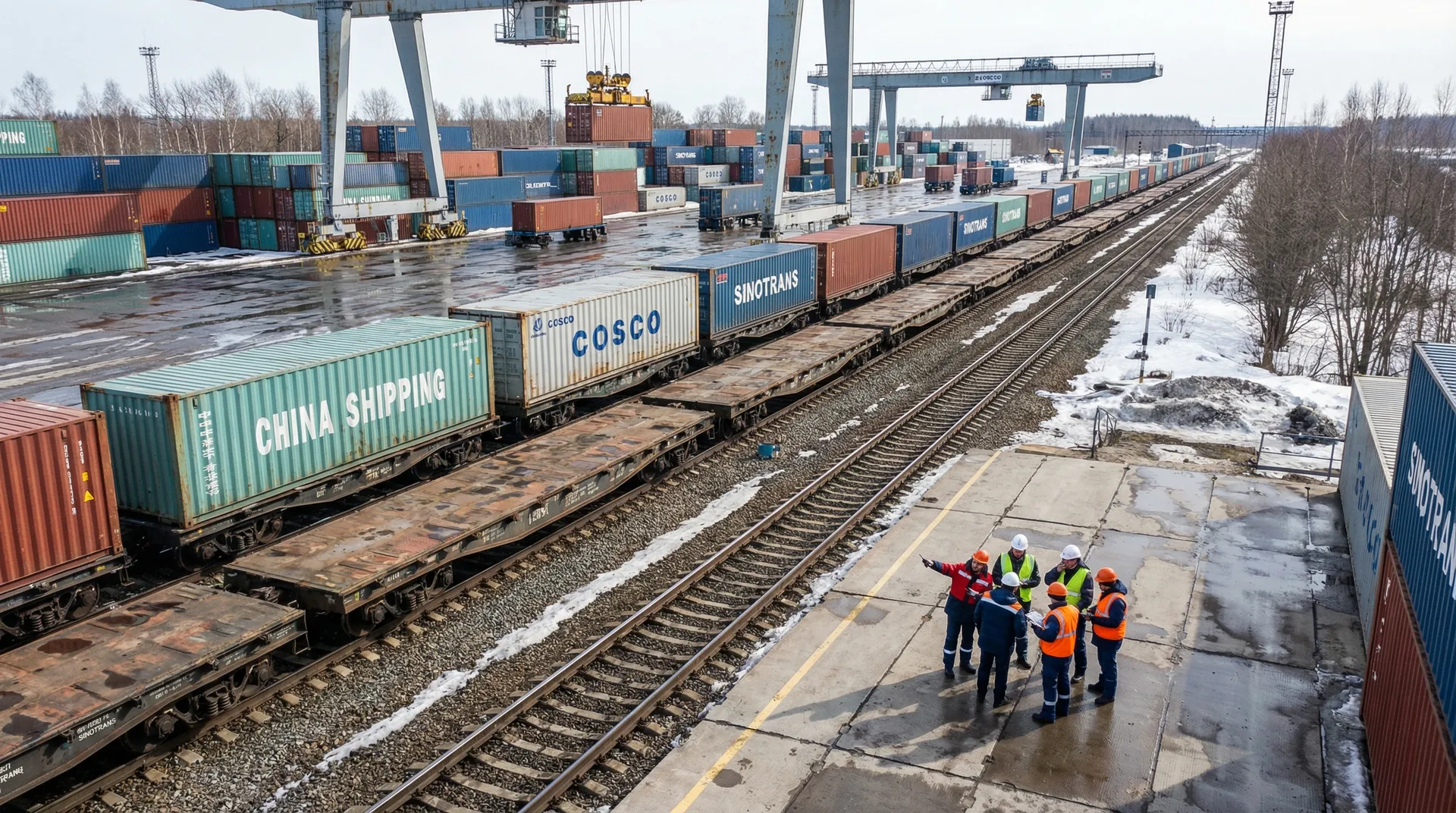
Rail transit through Russia is strengthening its position again. The growth of container traffic from China to Europe shows that businesses are more actively using overland routes in the context of expensive and nervous global logistics.

Container shipments from China to Europe via Russia increased by 40 percent in March. This was announced on April 2 by the head of Russian Railways Oleg Belozerov. This is an important signal for the market: the overland route is regaining its weight in the structure of international trade after a long period of operating at a loss.

The growth of transit means that freight owners and logistics operators are once again looking more actively at the railway as a working tool for long international shipments. When a business sees high demand for container services, this is usually reflected in several areas at once: terminal loading, slot costs, booking deadlines, and interest in multimodal supply chains.

Another important point! The market is still highly sensitive to maritime risks, rate hikes and delivery time changes. In this situation, the railway gets an additional chance to gain a foothold as a route for some goods with medium and high urgency.

The 40 percent increase does not look like a local technical surge. This is an indicator that businesses are once again voting in volume for controlled and predictable transit.