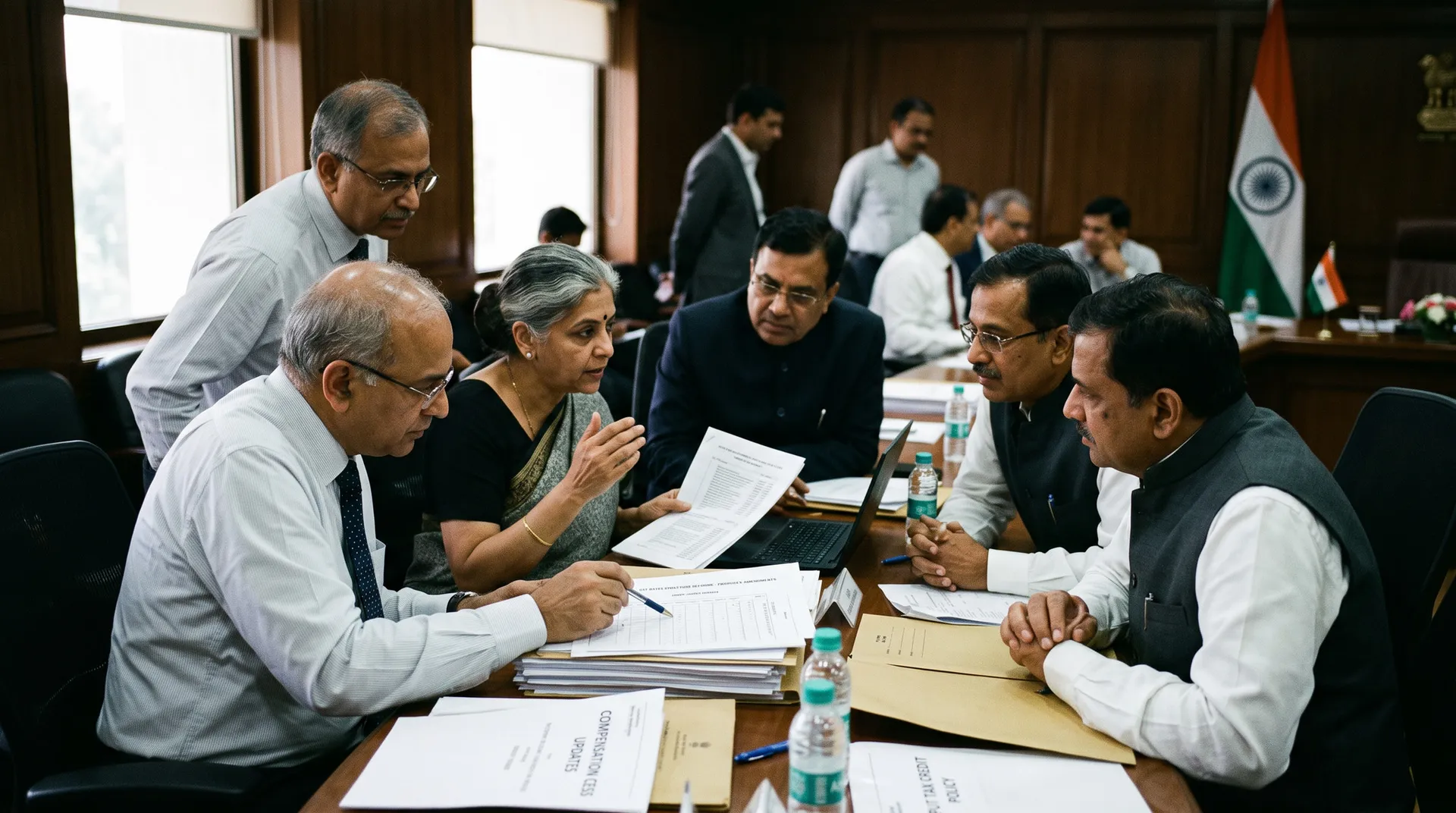
The meeting will be chaired by Finance Minister Nirmala Sitharaman. The meeting was originally scheduled for September 12, but was postponed to October 7, and then finally scheduled for October 8 due to the BRICS leaders' summit in New Delhi.
The agenda focuses on process reforms: simplifying compliance requirements, speeding up the refund of overpaid taxes, and improving the mechanism for crediting incoming tax credits. A wide revision of rates is not expected this time — analysts do not predict changes in tariff parameters.
The last major change in the GST structure occurred in September 2024. Then the Council simplified the system to two main rates — 5% and 18%, leaving 40% only for luxury goods and products of the "sin" category: tobacco and similar items. A number of essential goods — soap, toothpaste, bread, vital medicines — were completely exempt from the tax or transferred to a rate of 5%. GST on motorcycles, subcompact cars, televisions, air conditioners and cement was reduced from 28% to 18%.
Sitharaman previously pointed out that last year's rate reform was aimed, among other things, at reducing the number of tax disputes. The process reforms that the October meeting will consider continue this logic.
Against the background of structural changes, GST tax revenues are showing steady growth. In September, fees amounted to 2.04 trillion Indian rupees, an increase of 14.7% compared to September last year. For the third month in a row, the indicator exceeds the 2 trillion rupees mark. Import operations made a significant contribution: the import tax on goods increased by 26% year-on-year.
The reform of the input tax credit mechanism is of practical interest to participants in Russian-Indian trade. Indian buyers of Russian goods use this tool to offset the GST paid on import, as delays in repayment of the loan directly affect the working capital of transactions. Speeding up the procedures, if approved on October 8, will reduce the financial burden on counterparties and may increase the attractiveness of regular deliveries.
The meeting also falls within a decade since the establishment of the GST Council and the introduction of the single indirect tax in India in July 2017. The results of the meeting will be published at its conclusion.
Related materials:
- India has opened a window for correcting turnover in GST — only until July 31 — what procedural changes on GST have already passed this summer
- India extended the RoDTEP scheme until December 31, 2026 without changing rates — what tax benefits do Indian exporters receive
- brix: what is behind the loud abbreviation and how does it relate to your business — how do connections within BRICS affect work with Indian partners