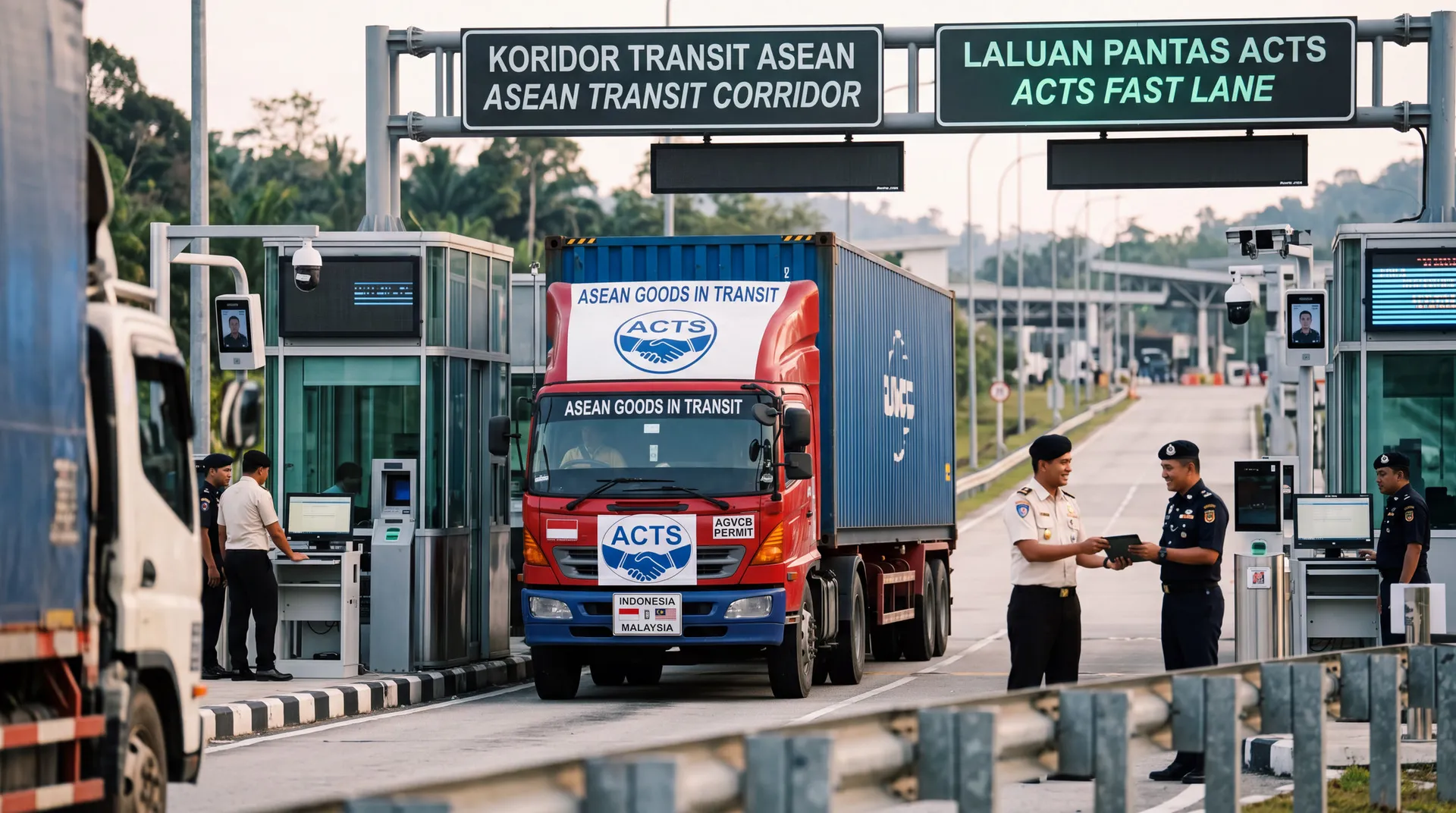
The ACTS system stipulates that licensed vehicles cross borders without overloading goods to local transport in each country. To participate, the carrier must comply with the technical requirements and obtain an ASEAN permit for international road cargo transportation. Each participating country has the right to issue no more than 500 such permits.
One of the key advantages of the system is a single guarantee that covers all taxes and duties that may arise during transit through several jurisdictions. This eliminates the need to arrange separate security at each border and reduces the number of repetitive customs procedures.
Kalimantan occupies most of the island of the same name, and the territories of three states — Indonesia, Malaysia and Brunei — form a single geographical area there. This is what makes the corridor a logical infrastructure solution: cargo traveling from the Indonesian part of the island to a Malaysian or Brunei port is currently going through several customs procedures that the corridor is designed to combine.
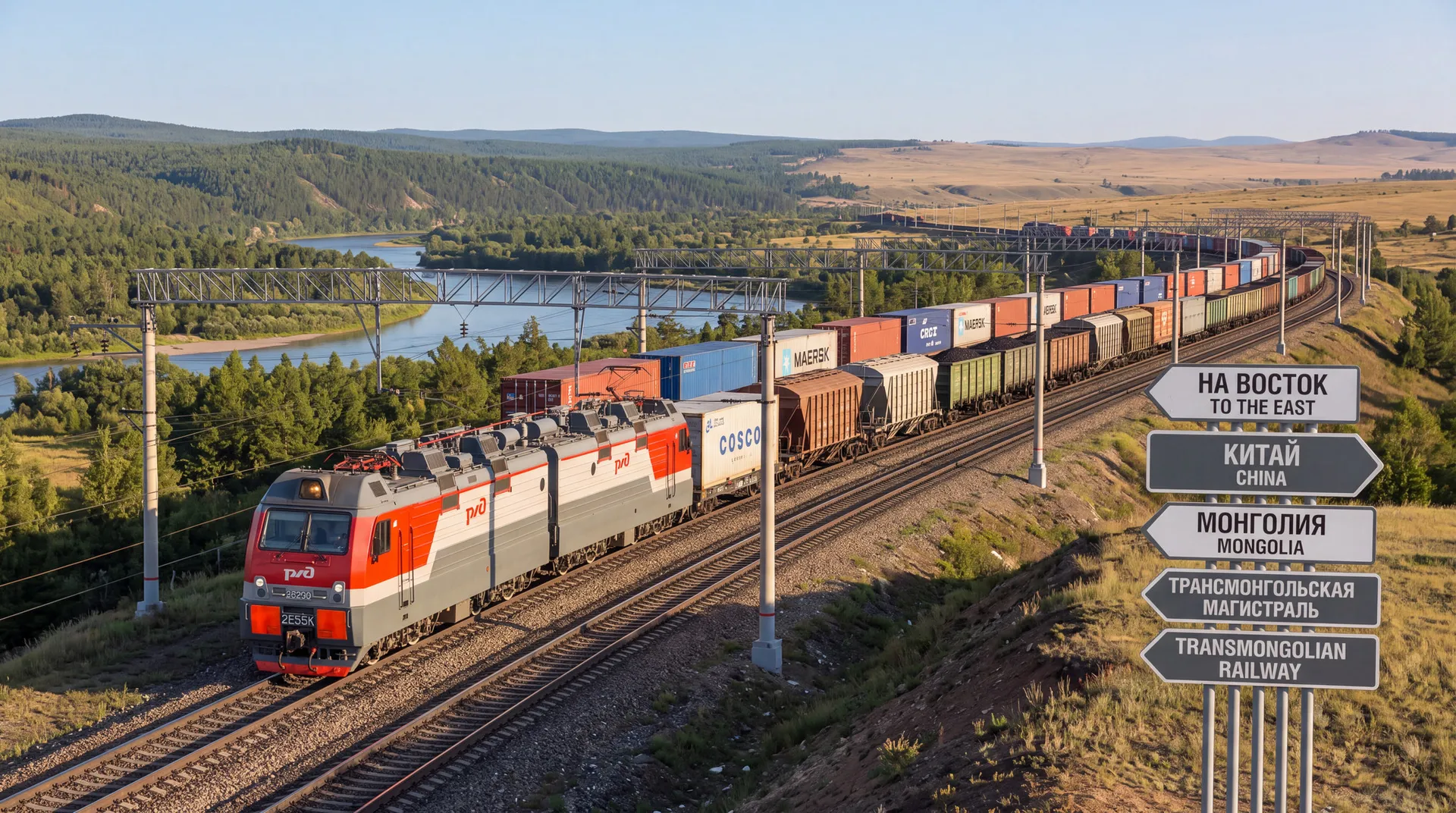
ASEAN has already approved pilot rail operations under ACTS and called on Brunei and Indonesia to officially join the operation of the system on the Borneo Corridor, which is what the ASEAN documents refer to this route. At the same time, the possibility of connecting ACTS with China is being explored, which will expand the trade network and increase the economic benefits of regional transport routes.
For companies working with the Southeast Asian markets, the launch of the corridor in 2027 opens up a more predictable transit between the island's three states: a single guarantee and the absence of forced transshipment directly affect the cost and delivery time. China's potential connection to the ACTS system will turn the route into part of a longer multi-country supply chain.