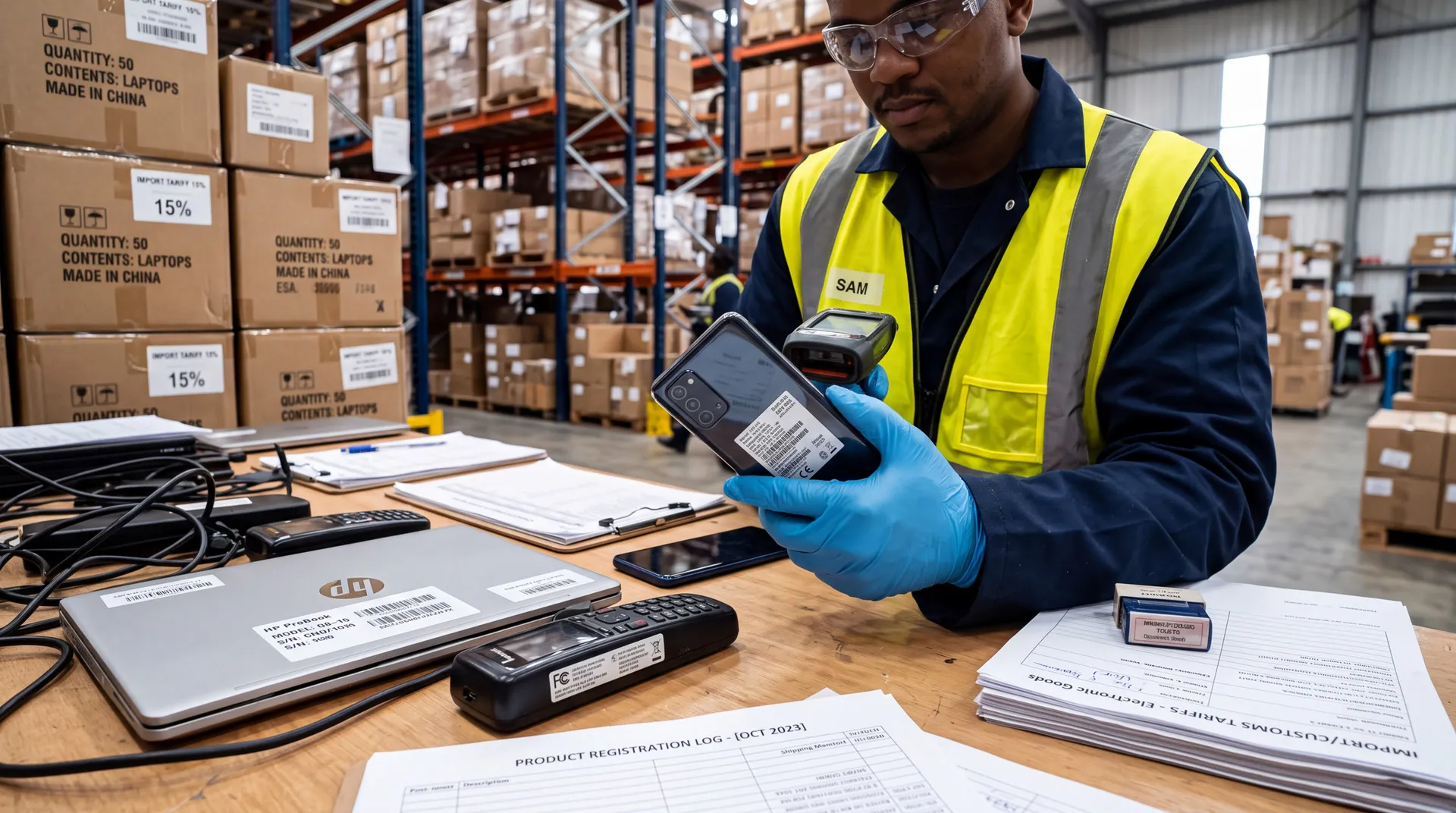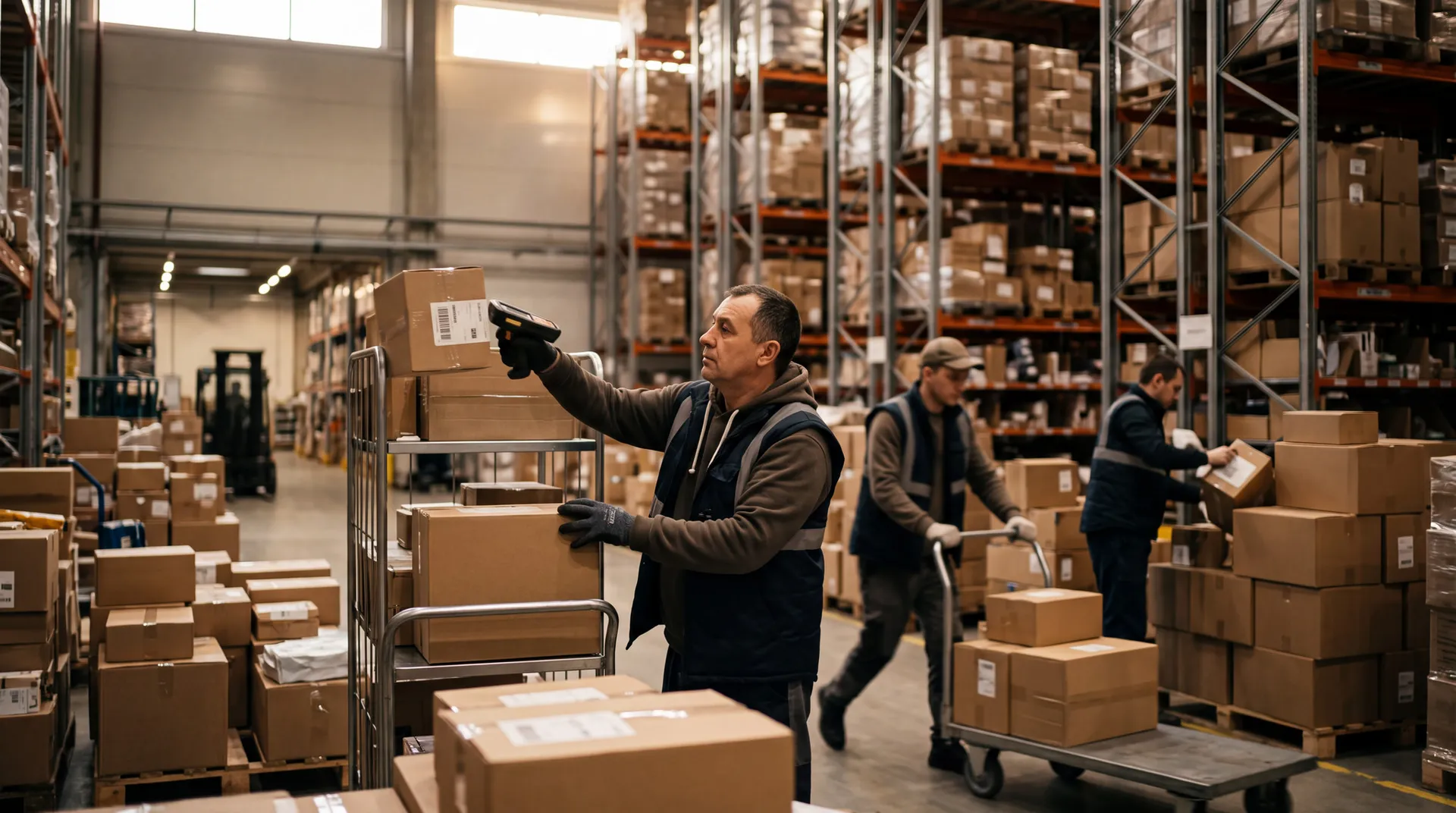






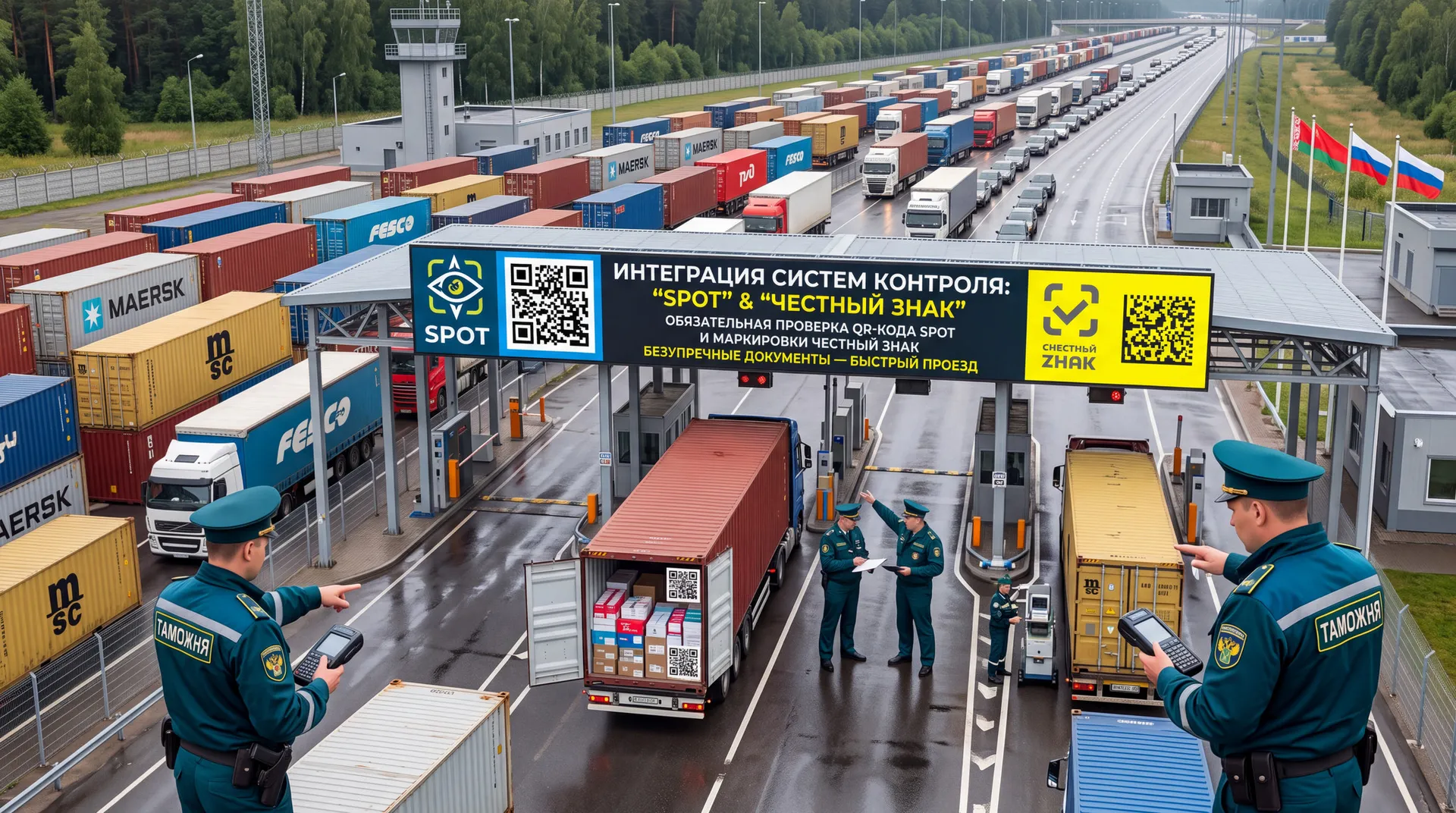
Almost 20 government information systems have already been integrated with the labeling system. Mandatory labeling covers 39 product groups, and experiments are being conducted on 13 groups. Over the years, the share of illegal turnover of labelled goods has decreased from 24.7% to 7.6%. In some categories, the legal introduction of goods into circulation increased significantly: in light industry — by 90%, in footwear — by 50%, in tobacco products — by 23%.
Nikita Malov, founder and managing partner of the analytical company ARGOD, describes the problem that integration should solve: the state has two contours that do not see each other. The SPOT checks the expected delivery and the vehicle before crossing the border, whereas the Honest Mark learns about the product only after importation — when the importer enters the codes into circulation.
"In the interval between these two events, gray imports live, when a batch is declared to be one, but it ends up on the shelf with another or without codes at all. A bundle of systems closes this gap even at the border," Nikita Malov explained.
For bona fide importers, integration brings both opportunities and new operational requirements. Vladislav Skripko, an expert on the digital transformation of the economy and founder of Tovian, points out that the main value of combining systems is reducing duplication and manual reconciliation. If the systems can exchange data automatically, the importer will not have to enter the same information into different interfaces several times.
"For the government, this means more precise risk-based control: attention can be focused on atypical operations, rather than increasing the burden on all market participants. But the result will depend on the practical implementation," Vladislav Skripko added.
Nikita Malov assesses the risks of integration specifically: any discrepancy between the delivery document and the labeling codes — an error in quantity, in the product code, or over—sorting in the supplier's warehouse - will turn into a vehicle stop at the border. It's a simple matter for the carrier, but for the importer it's a fine or a delivery delay.
"A large importer with an accounting system will survive this, a small one will have to verify the data for the first time before shipment," the expert warns.
Small businesses working with labeled product groups will have to verify the data with a foreign supplier even before shipment, before the cargo reaches the border. Those companies that already use automated accounting and EDI with counterparties will make the transition with lower costs.