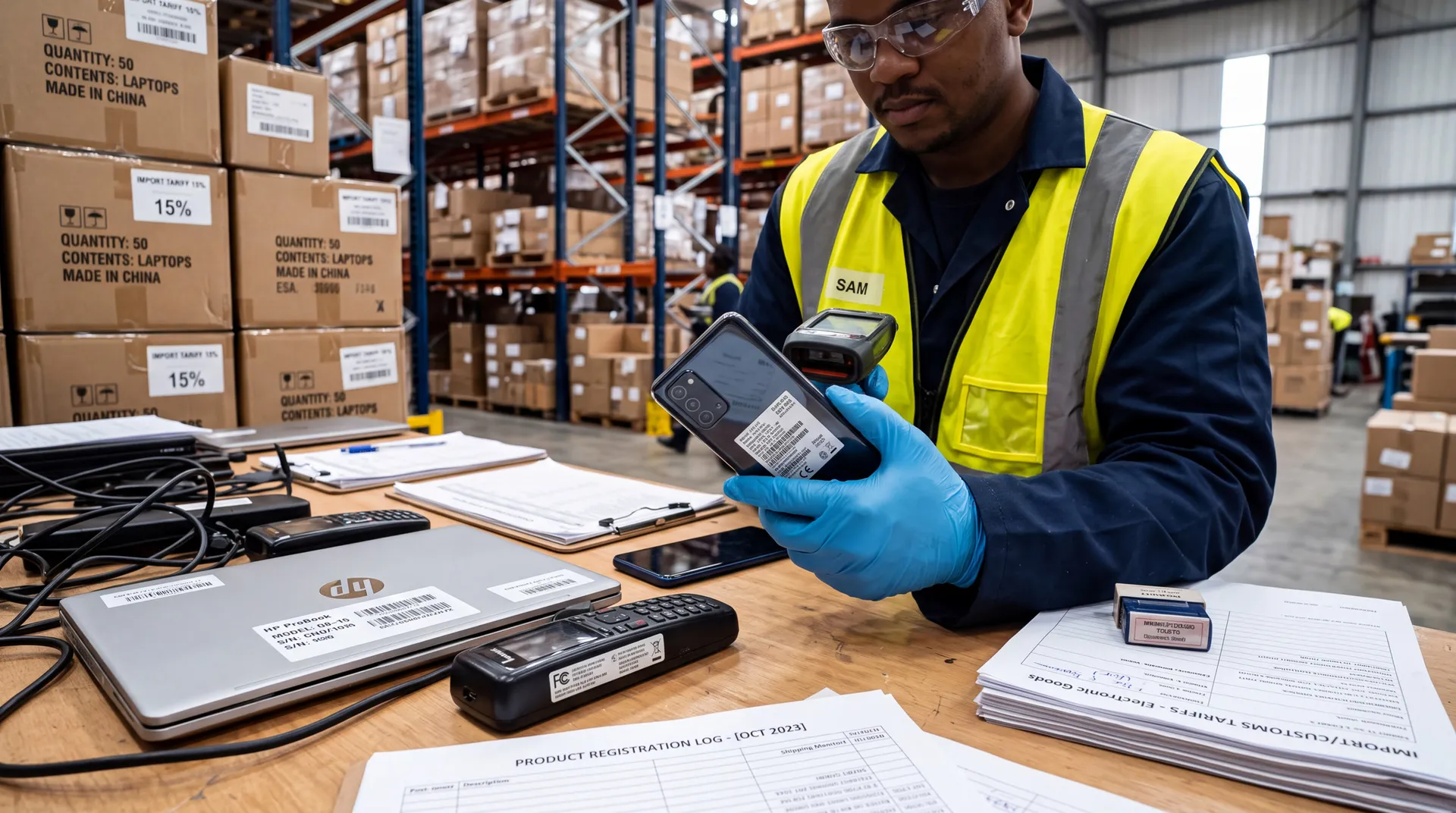
Investigations are being conducted by the General Directorate of Trade Protection Products (DGTR) under the Ministry of Commerce of India. The following substances were tested: persulfates (used in the textile industry), clavulanic acid (an active pharmaceutical ingredient), counterweight forklifts, internal corrugated copper pipes and pipelines, as well as caprolactam (used in fabric production).
The basis for each investigation was individual complaints from domestic manufacturers. DGTR's official notices state: "Based on a duly substantiated written statement submitted on behalf of the domestic industry, and having been satisfied on the basis of prima facie evidence regarding dumping... The Office hereby initiates an anti-dumping investigation."
If the inspections reveal material damage to Indian manufacturers, DGTR will send a recommendation on the imposition of duties. The final decision is made by the Ministry of Finance of India.
At the same time, DGTR opened an anti—subsidy investigation into the import of insoluble sulfur from China, a chemical used in the rubber industry. The applicant claims that Chinese exporters benefit from subsidies at various levels of government support. A similar check is already underway on coated writing and printing paper from Indonesia.
In a separate decision, DGTR recommended the introduction of countervailing duties on jute products from Bangladesh and Nepal, ranging from $60.54 to $140.04 per ton. The initiators were the Indian Jute Mills Association and the AP Mesta Twine Mills Association.
At the same time, the agency initiated a review after the expiration of anti—dumping duties on ceramic tableware and cookware (except knives and sanitary products) from China, according to the Ceramic Tableware and Kitchenware Manufacturers Association. A similar review is underway for toluene diisocyanate from China, Japan, and Korea, a raw material for furniture fillers, car seats, and packaging. An interim review of the current duties has also been launched on sodium cyanide from China and the EU.
The backdrop for the wave of investigations is the record trade deficit: in the 2025-2026 fiscal year, it reached $112.6 billion against $99.2 billion a year earlier. India's exports to China increased by 36.66% to $19.47 billion, while imports from China increased by 16% to $131.63 billion. Industrial overproduction in China and the reorientation of part of Chinese exports from the American market due to trade restrictions are increasing pressure on Indian manufacturers.
For Russian and other importers using India as a transit hub or final market for goods of Chinese origin from the affected categories, it is worth monitoring the progress of investigations: the introduction of duties will change the competitive environment and may require a review of pricing or supply routes.
Related materials:
- The EEC extended duties on tableware and springs from China — how the same protective measures against China work in the EAEU
- India extended the RoDTEP scheme until December 31, 2026 without changing rates — how India supports its exporters
- India has reset the duty on 85 types of battery equipment — where India, on the contrary, opens imports