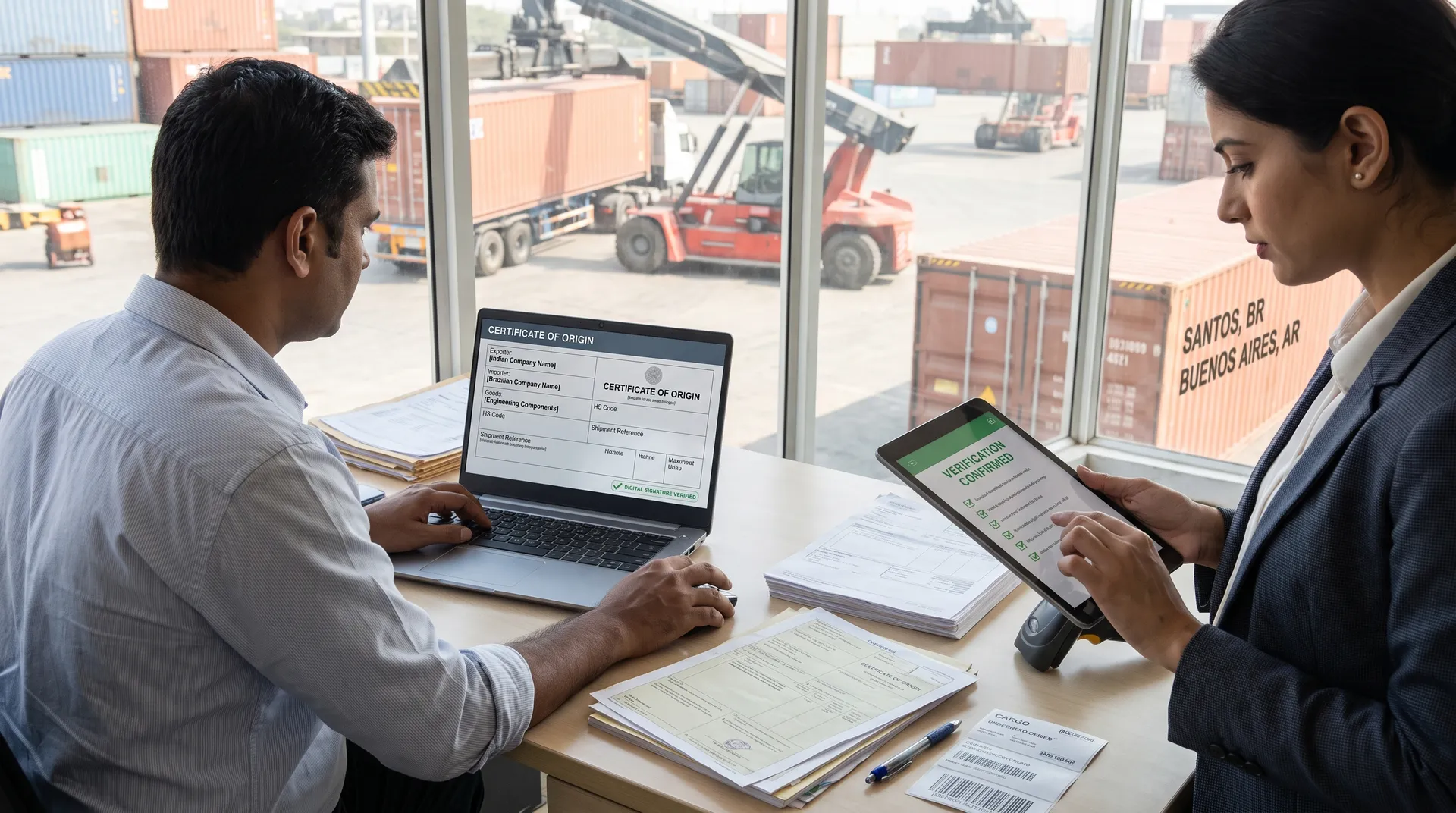
When the SPOT started working on June 1, 2026, the first reaction of many importers was: "the main thing is the DOPPLER and QR code, we'll figure out the rest." From October 1, the "rest" takes on a specific form: for traceable goods, there is mandatory synchronization between two systems — the SPOT (FTS) and the traceability system (also the FTS, but a different circuit).
What are traceable products?
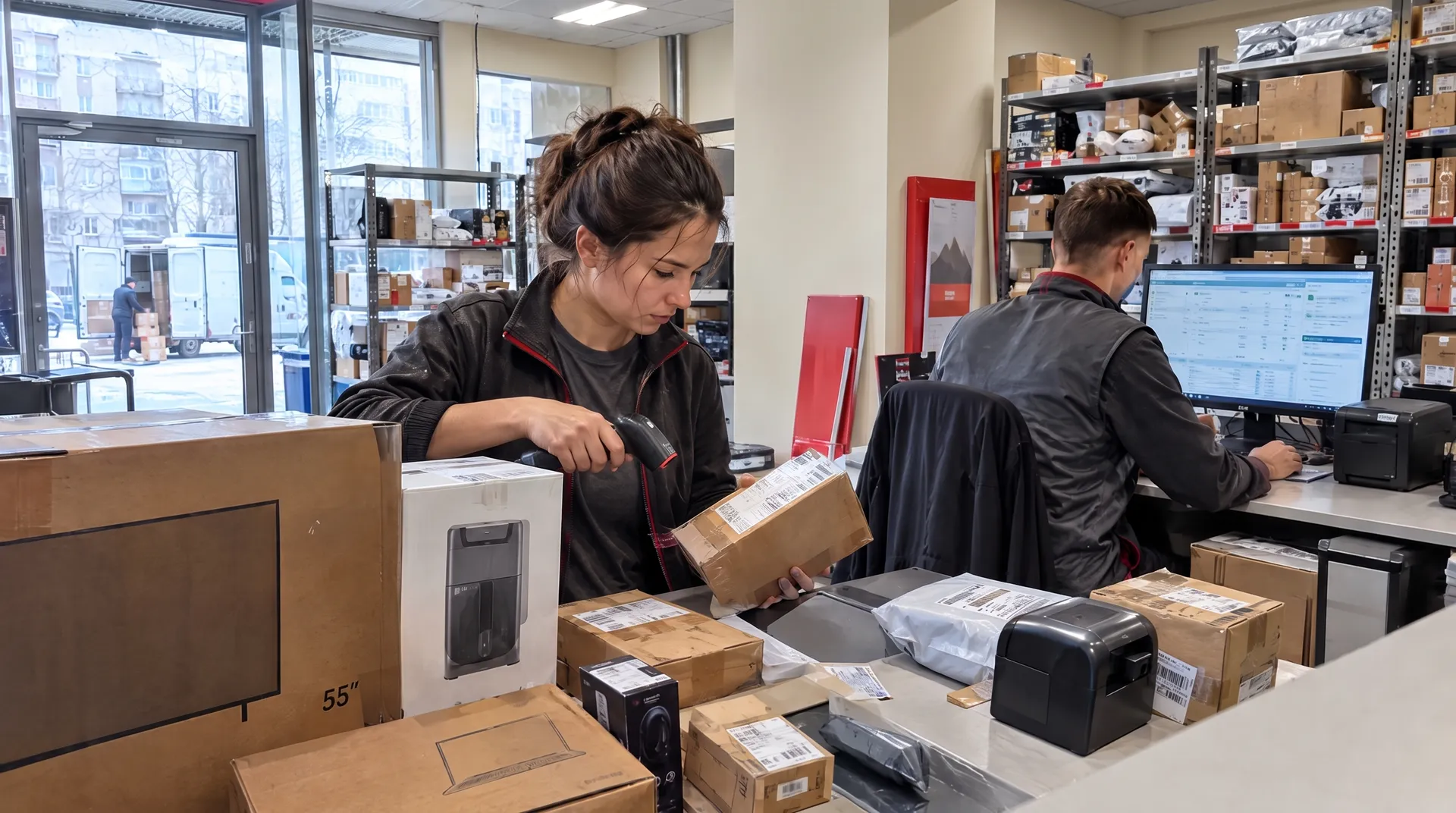
The traceability system covers specific categories of imported goods approved by Government decree. The full list includes several dozen items according to HS codes. The most common in foreign economic activity are refrigerators and freezers, washing machines, monitors and projectors, baby strollers, forklifts (electric and with an internal combustion engine), bulldozers and graders, excavators.
If your product is included in this list, one step will be added to the standard SPOT chain starting from October 1.
What exactly will change from October 1st
Prior to October 1: when importing a traceable product, the RNPT was received after import — when an import notification was submitted to the traceability system. The DPP was issued independently of the RPT.
From October 1: The RPT must be received prior to importation and included in the DPP as a mandatory prerequisite. This means: first, get the RNPT, then generate the DPP, then the QR code, then the import.
In practice, it adds another step to an already intense documentary process. For companies operating with a small number of SKUs from the list of traceable ones, it is manageable. For companies with a wide range of traceable positions, there is a significant operational burden.
Why is it from October 1, and not earlier?
Traceability and SPOT are two different digital circuits within the Federal Tax Service, which are now operating in parallel without mandatory synchronization. Integration requires technical improvements on the systems side. From October 1, the technical bridge between the systems will be ready, and synchronization will become mandatory.
How to prepare before October 1st
Three steps.
- The first is to conduct an audit of the assortment — to check which items imported from the EAEU are included in the list of traceable goods by HS codes. The list is available on the FTS website in the traceability systems section.
- The second is to make sure that the company is registered in the traceability system and that the receipt of the RNPT is integrated into the workflow. If the RNPT has been received after the fact so far, adjust the process to receive it before importation.
- Third: notify the transport partners — carriers should know that starting from October 1, the DOPP for traceable goods requires additional details, and wait for it before the flight.